
Moving house can be stressful, but with the right planning and techniques, loading a van efficiently can save time, reduce damage to your belongings, and make the entire process smoother. Whether you’re moving locally in Adelaide, Brisbane, or elsewhere in Australia, knowing how to pack your van properly is essential. At Trend Rentals, we offer a range of vehicles perfect for house moves, including vans, utes, and trucks.
This comprehensive guide will walk you through practical steps to maximise space, protect your items, and streamline your moving process.
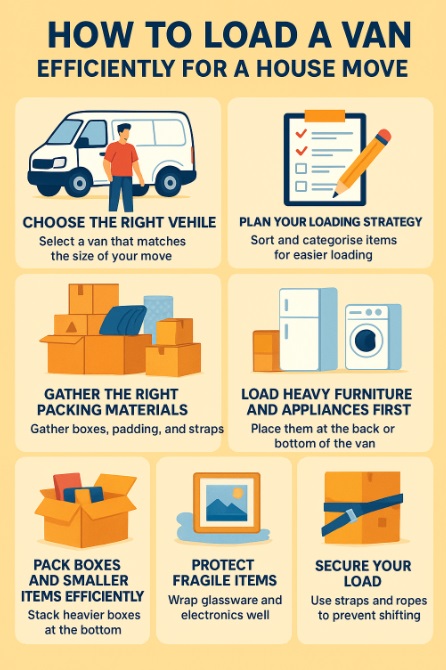
1. Choose the Right Vehicle for Your Move
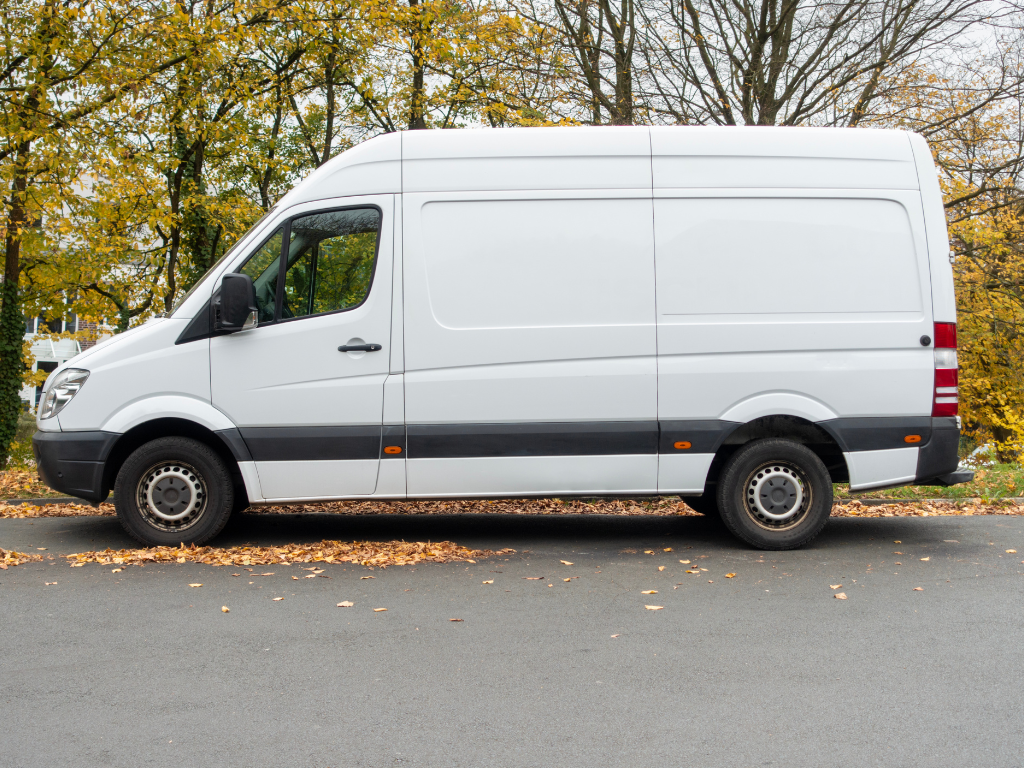
The first step to an efficient move is selecting the right vehicle. Choosing a van that matches the size of your move ensures you won’t need multiple trips and reduces the risk of damage to your items.
At Trend Rentals, you can rent various van sizes, from 2m³ cargo vans to larger 7-seat and commercial options. Consider the following when selecting your van:
- Volume: Estimate the cubic meters of your belongings to select an appropriately sized van.
- Accessibility: Ensure the van is easy to drive and park near your current and new home.
- Rental Terms: Long-term or short-term hire options are available depending on your moving schedule.
Check out our full van rental options to find the right vehicle for your move.
2. Plan Your Loading Strategy
Before moving a single box, planning the loading order is crucial. An efficient strategy helps you maximise space and ensures fragile items are safe.
- Sort and Declutter: Go through your belongings and donate or discard items you no longer need. This reduces the amount of space required in the van.
- Categorise Items: Group items by room or category (kitchen, bedroom, living room). This simplifies unpacking at your new home.
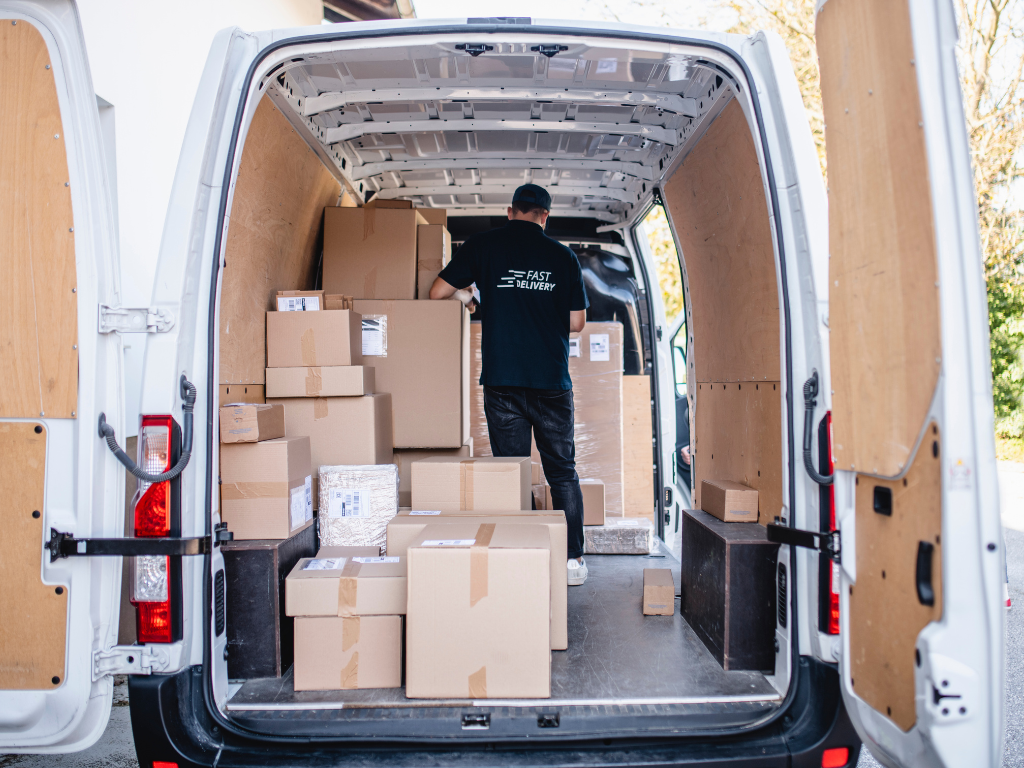
- Load Heavy Items First: Place furniture and large appliances at the back or bottom of the van. This creates a stable base.
- Fragile Items Last: Items like mirrors, electronics, and glassware should be loaded last and placed on top or in specially padded areas.
Planning ahead saves time and reduces the risk of damage. For more tips, see our guide to 1-tonne van rentals for heavier moves.
3. Gather the Right Packing Materials
Using the right packing materials is key to protecting your belongings and making the loading process more efficient.
- Boxes and Containers: Use uniform-sized boxes for easy stacking. Heavy items should go in small boxes; light items in larger boxes.
- Packing Paper and Bubble Wrap: Protect fragile items with bubble wrap or packing paper.
- Moving Blankets: Essential for large furniture and appliances to prevent scratches and dents.
- Straps and Rope: Secure heavy items to prevent shifting during transit.
You can purchase or rent packing supplies along with your van at Trend Rentals.

4. Load Heavy Furniture and Appliances First
When loading your van, always start with the heaviest and largest items. This ensures a stable foundation and prevents lighter items from being crushed.
- Refrigerators and Washers: Secure them upright with straps to avoid damage.
- Sofas and Beds: Disassemble if possible to save space. Keep cushions and mattresses upright against the van walls.
- Tables and Dressers: Load tables with legs removed, and drawers filled with lightweight items or secured separately.
Pro tip: If you’re unsure about the best van for large furniture, check our Hiace van guide to select the ideal size.

5. Pack Boxes and Smaller Items Efficiently
After the heavy items, fill in the remaining space with boxes and smaller belongings. Efficiency is key:
- Stack Strategically: Place heavier boxes at the bottom and lighter ones on top.
- Use Odd Spaces: Fill gaps with soft items like pillows, blankets, and bags to prevent movement.
- Keep Essentials Accessible: Items you’ll need immediately upon arrival (toiletries, snacks, important documents) should be near the door.
Using this method helps maximise space and keeps your van balanced, which is critical for safe driving.

6. Protect Fragile Items
Fragile items require extra care to prevent damage during transport.
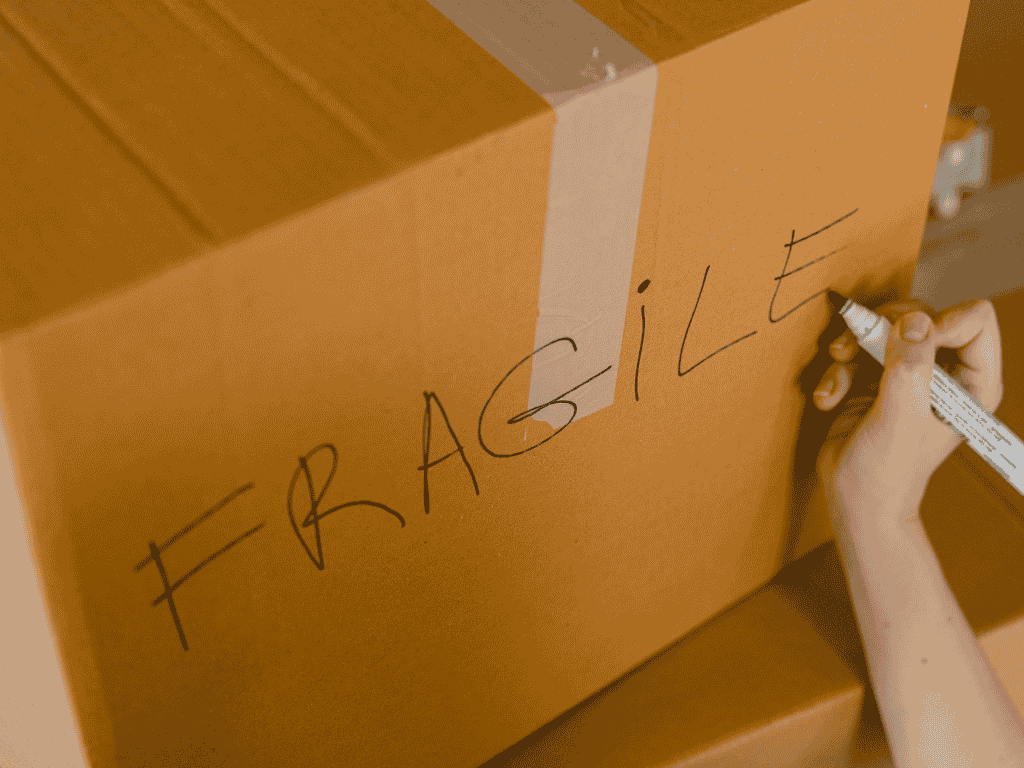
- Wrap Individually: Wrap glassware, dishes, and electronics separately with bubble wrap or towels.
- Use Boxes with Dividers: Wine glasses or dishes can be packed in boxes with dividers for added protection.
- Secure in Place: Place fragile items on top of sturdy boxes or furniture and use straps to keep them in place.
For larger moves, consider renting a van with additional safety features to prevent shifting. Explore our van hire options for secure and reliable vehicles.
7. Use a Van Loading Diagram
A loading diagram can help visualise where each item should go, making the process faster and safer. A typical loading sequence might be:
- Heavy furniture and appliances at the back
- Large boxes and disassembled furniture in the middle
- Fragile items on top or in protected areas
- Soft items like cushions and blankets to fill gaps
You can find printable moving checklists online to plan your van loading efficiently.
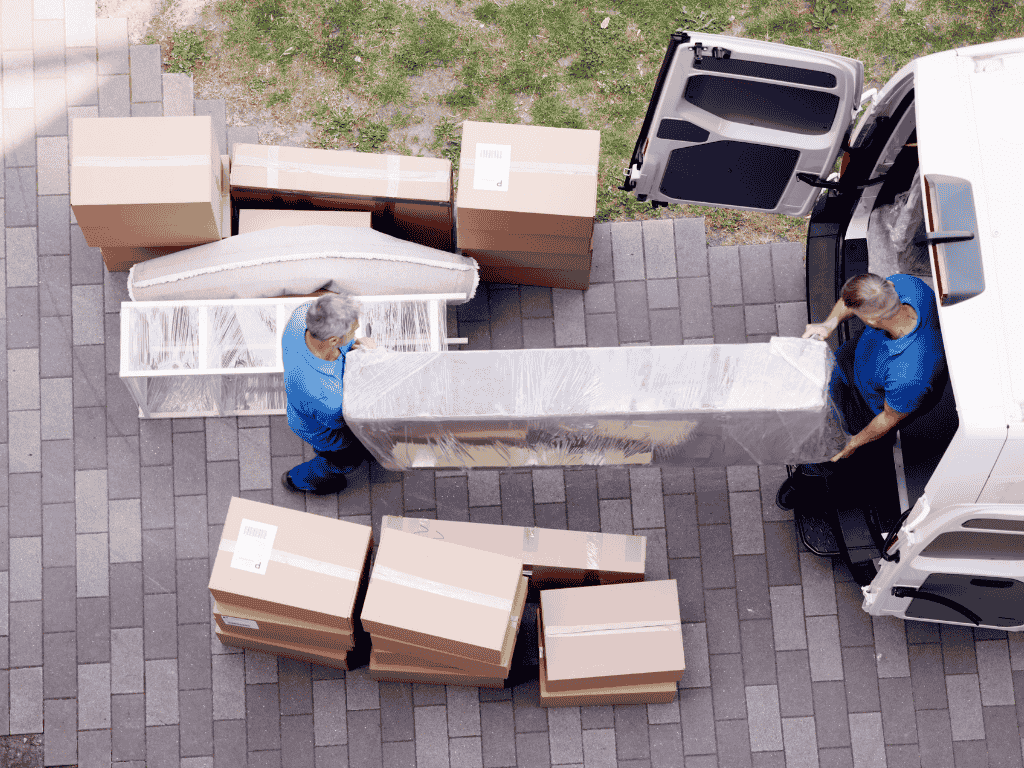
8. Secure Your Load
Once everything is in the van, securing the load is crucial to prevent movement during transit.
- Use Tie-Down Straps: Secure large items to anchor points inside the van.
- Prevent Sliding: Place rubber mats or non-slip pads under heavy furniture.
- Check Weight Distribution: Ensure the van is balanced from front to back to maintain safe driving conditions.
At Trend Rentals, we provide tips on proper van loading and safety to make your move stress-free.

9. Safety Tips for Driving a Loaded Van
Driving a fully loaded van requires caution. Follow these safety tips:
- Drive Slowly: Heavy loads increase stopping distance.
- Avoid Sharp Turns: Take corners slowly to prevent items from shifting.
- Check Mirrors: Larger vans may have blind spots; adjust mirrors properly.
- Stop and Check: During long trips, check the load periodically.
For larger or longer moves, consider our long-term van hire options to ensure you have reliable transport.
10. Unloading Efficiently
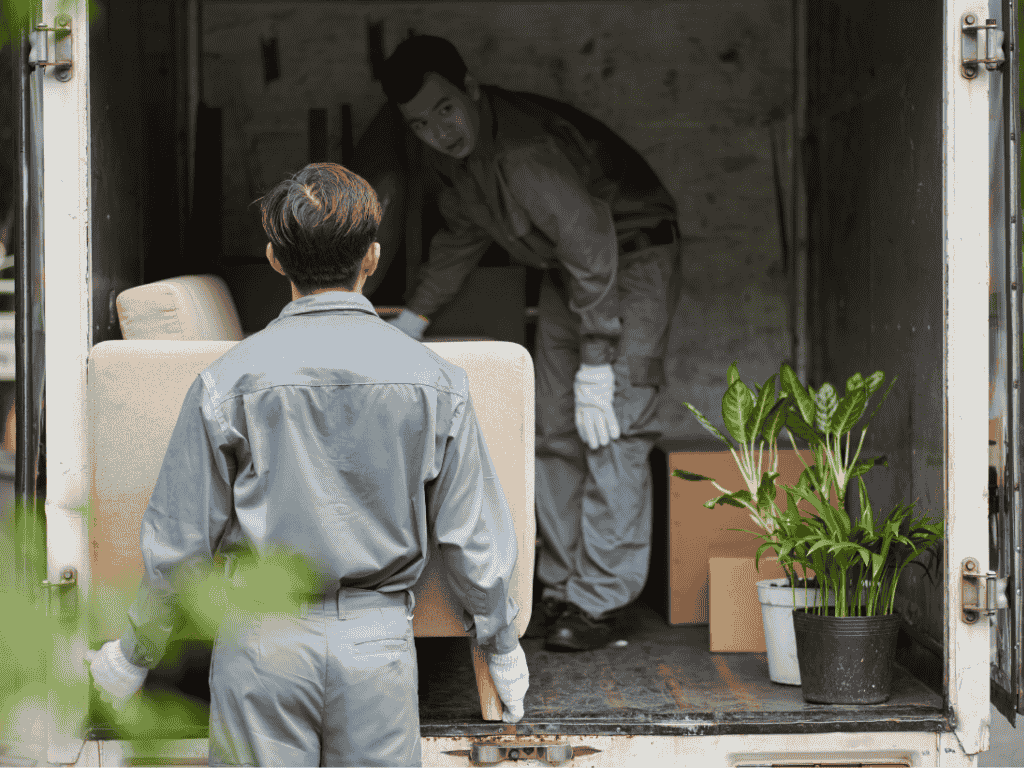
Efficient unloading is just as important as loading. Use these tips:
- Reverse Your Loading Order: Take out fragile items first, then boxes, and finally heavy furniture.
- Teamwork: Enlist friends or family to make unloading quicker and safer.
- Use Dollies and Trolleys: These tools reduce strain and prevent injuries.
- Place Items in the Correct Room: Avoid double handling by moving items directly to their designated rooms.
11. Additional Tips for a Smooth House Move
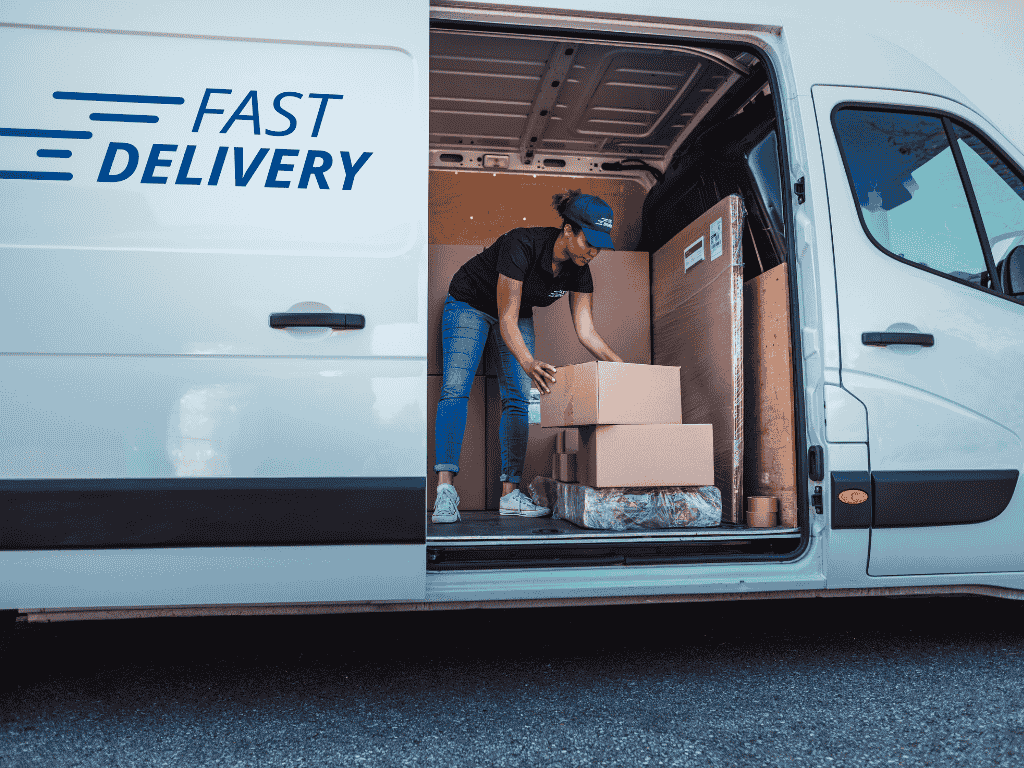
- Label Everything: Clearly mark boxes with contents and destination rooms.
- Pack a Survival Kit: Keep essentials like snacks, water, first aid, and tools handy.
- Plan Your Route: Know your route and consider parking restrictions or loading zones.
- Hire a Suitable Vehicle: Choosing the right van size and type makes the entire process easier.
For more moving solutions, Trend Rentals offers flexible van hire options to suit any move, from small apartments to large houses.

Conclusion
Efficiently loading a van for a house move requires careful planning, the right packing materials, and smart use of space. Start with heavy items, protect fragile belongings, and secure your load for a safe journey. Using the right vehicle from Trend Rentals can make a huge difference in the ease and safety of your move.
By following these steps, your house move will be faster, safer, and less stressful. From selecting the perfect van to organising your belongings efficiently, you can enjoy a smooth transition to your new home.
Start your next move with confidence by exploring Trend Rentals’ van hire options today.