
Introduction: Why Retrofit Safety Matters
In Australia’s demanding worksites—mining operations, construction projects, and regional infrastructure builds—utility vehicles (utes) and 4WDs are the backbone of mobility and logistics. But as fleets age, even well-maintained vehicles can lag behind modern safety and compliance standards.
Retrofitting is the key to extending their lifespan safely. Instead of replacing an entire fleet, upgrading existing vehicles with the latest safety technology allows businesses to meet compliance, reduce costs, and protect workers on-site.
This guide covers everything you need to know about ute retrofit safety—from assessing current conditions to installing vital upgrades like roll-over protection, lighting, braking, and telematics.
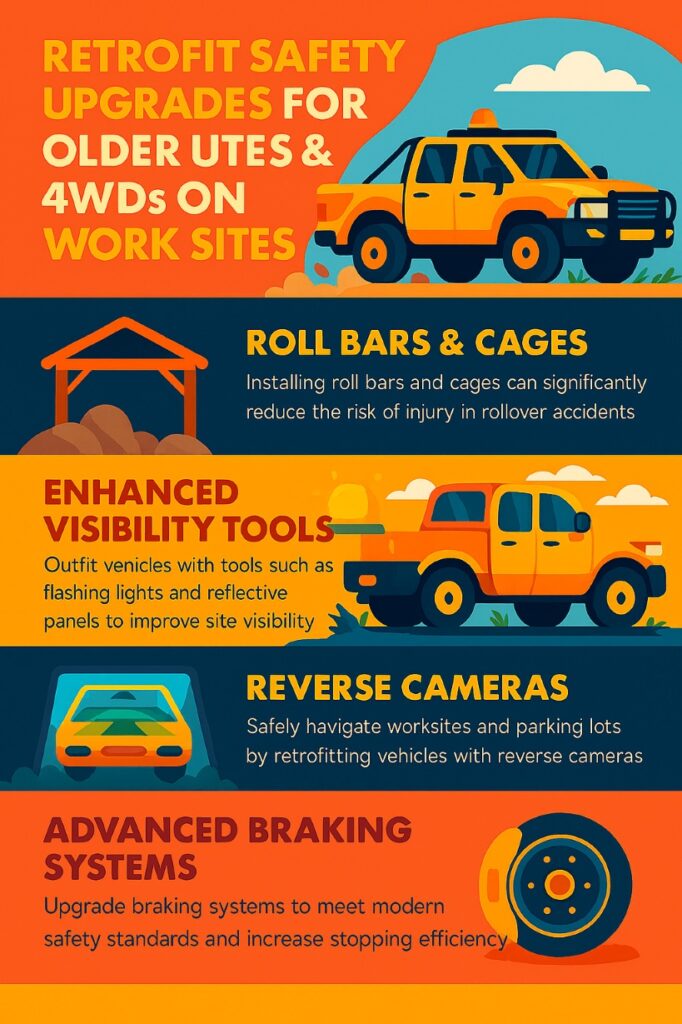
The Case for Retrofitting Over Replacement
Older utes and 4WDs can still perform well mechanically but may lack features that are now standard in mine spec or fleet-ready vehicles.
Why Choose Retrofit Safety Upgrades
- Cost Efficiency: A full fleet replacement is expensive. Retrofitting costs a fraction of new vehicle purchases.
- Compliance: Keeps vehicles aligned with Australian WHS regulations, mine site standards, and fleet safety requirements.
- Sustainability: Extends vehicle life, reducing waste and environmental impact.
- Customisation: Allows upgrades tailored to specific work environments (remote mining vs. construction sites).
If you need compliant, fully equipped fleet vehicles while older ones undergo upgrades, Trend Car Rentals offers a range of mine spec vehicle hire options ready for immediate deployment.
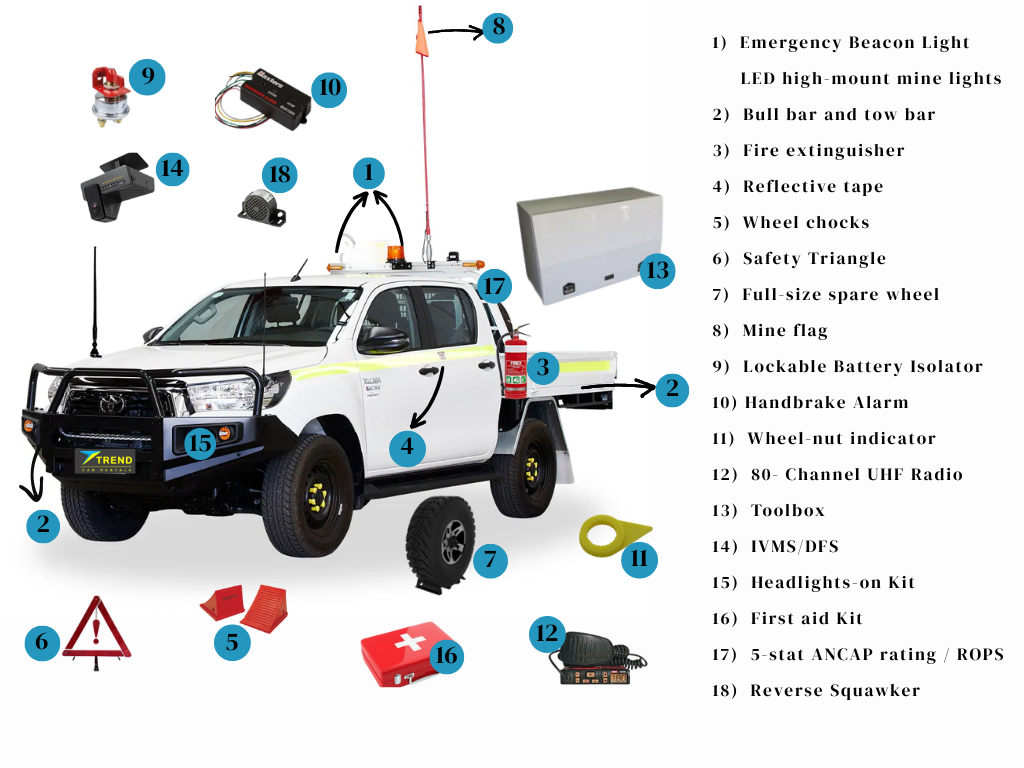
Pre-Retrofit Assessment — The First Step
Before installing any upgrades, start with a comprehensive vehicle inspection. This stage identifies what needs improvement and ensures structural integrity before modifications begin.
Checklist:
- ✅ Frame and chassis condition
- ✅ Suspension and underbody inspection
- ✅ Electrical systems and wiring
- ✅ Brake system efficiency
- ✅ Tyre condition and compatibility
- ✅ Existing safety gear (seat belts, airbags, visibility aids)
If a vehicle shows frame corrosion or compromised suspension points, it’s best to repair or replace those parts before retrofitting.
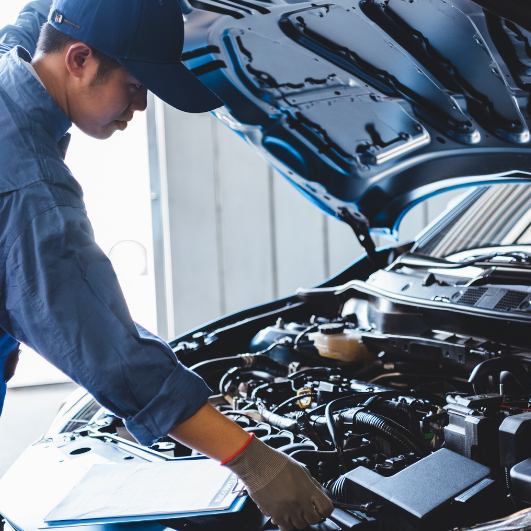
Step-by-Step Retrofit Safety Upgrade Guide
This is the heart of the process — a structured, step-by-step guide to upgrading your utes and 4WDs safely and efficiently.
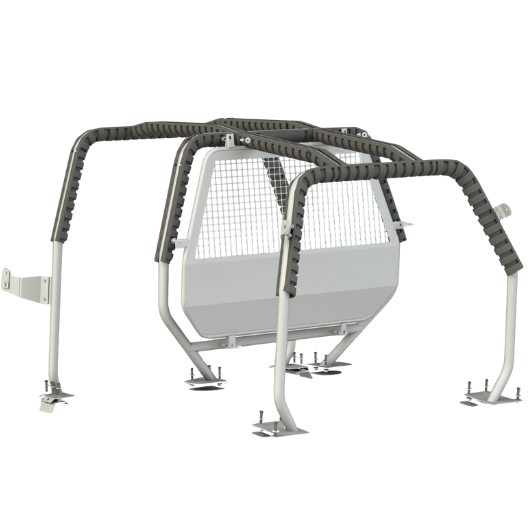
Step 1: Install Roll-Over Protection (ROPS/FOPS)
Older utes lack built-in roll-over protection structures. Installing ROPS (Roll-Over Protection System) or FOPS (Falling Object Protection System) helps meet mine-spec safety standards and significantly reduces injury risk during accidents.
- Choose ROPS/FOPS frames that comply with AS/NZS 2294 standards.
- Ensure all mounting points are professionally welded or bolted by certified fabricators.
- Get the installation certified by an accredited engineer before use.
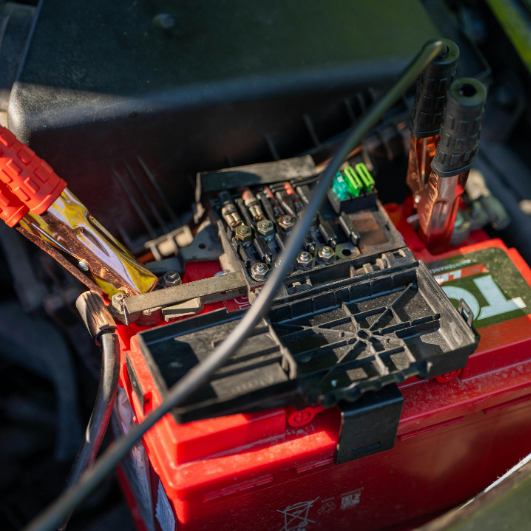
Step 2: Upgrade Lighting and Electrical Systems
Worksites demand high visibility day and night.
Retrofit actions:
- Install LED light bars, amber beacons, and reverse floodlights.
- Replace halogen headlights with ADR-approved LED kits.
- Add reflective tape and mine-spec ID signage.
- Integrate dual-battery systems for accessories.
Tip: Trend Car Rentals’ mine spec vehicles demonstrate ideal setups for compliant lighting and signage.
Step 3: Enhance Braking and Suspension
Safety starts from the ground up.
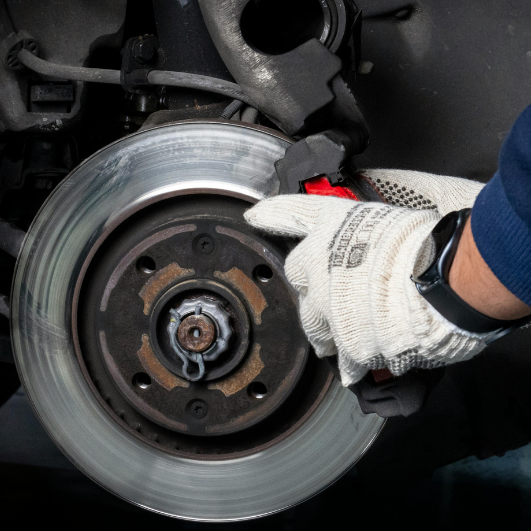
- Replace brake rotors and pads with heavy-duty variants.
- Upgrade to mine-spec suspension systems with reinforced shocks and springs.
- Install underbody protection to guard critical components.
- Ensure upgrades maintain ride height and weight compliance under ADR 13/00.
Step 4: Fit Safety Equipment and Emergency Gear
Every retrofitted vehicle should include the following:
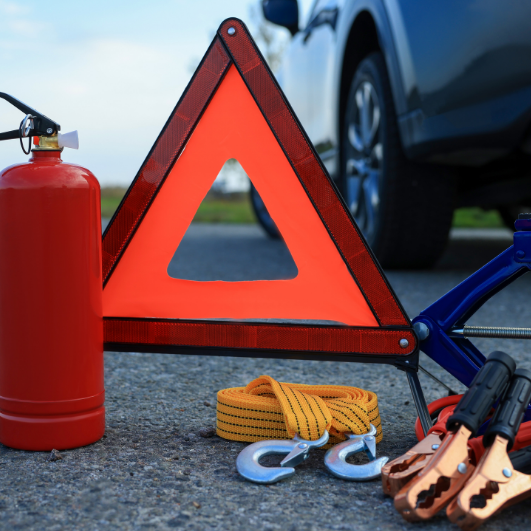
- Fire extinguisher (AS 1841 compliant)
- Wheel chocks and reflective warning triangles
- High-visibility first aid kit
- Safety flags, whips, and reflective ID boards
- Seatbelt alarms and driver fatigue monitors
For worksites requiring daily compliance checks, review Trend Car Rentals’ mine-spec standards.
Step 5: Install Advanced Telematics and Driver Monitoring
Technology-driven upgrades improve accountability and safety outcomes.
- GPS tracking systems for route logging and site compliance.
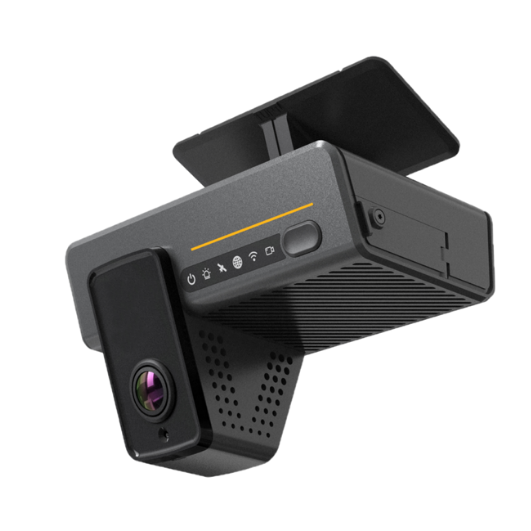
- In-cabin driver cameras for incident reporting.
- Speed limiters and geo-fencing tools for risk management.
- Integration with fleet management software for maintenance alerts.
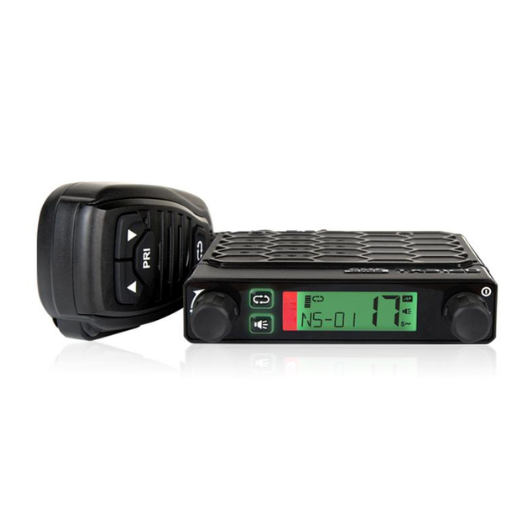
Step 6: Add Communications and Visibility Features
Communication is critical in isolated environments.
- Two-way UHF/VHF radios compliant with AS/NZS 4365.
- Satellite communication for remote sites.
- External antennas and mounts for range extension.
- High-visibility signage and vehicle ID plates.
Step 7: Conduct Compliance Testing and Certification
After upgrades, conduct a certified safety audit and ADR compliance test.
- Ensure all modifications are recorded in vehicle logbooks.
- Get mechanical inspection certificates.
- Document ROPS/FOPS installation and certification numbers.
If your fleet needs interim replacement while retrofits are underway, Trend Car Rentals’ long-term vehicle hire options keep your operations uninterrupted.
Maintaining Retrofitted Utes
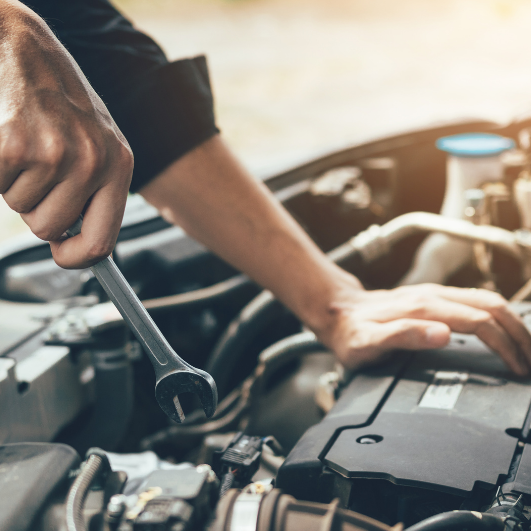
Once upgraded, vehicles require regular inspections and servicing to maintain compliance.
Maintenance checklist:
- Monthly inspection of all safety fixtures.
- Electrical testing of lights and alarms.
- Suspension and brake check every 10,000 km.
- ROPS structure visual inspection for cracks or corrosion.
For remote fleets, a car subscription service can bridge downtime while retrofitted units are in maintenance. Learn more at Trend Car Rentals’ car subscription plans.
Benefits of Ute Retrofit Safety
1. Improved Worker Protection
Upgraded vehicles reduce injury risk and improve incident survivability.
2. Regulatory Compliance
Mine and construction sites have strict rules. Retrofitted safety ensures vehicles remain compliant with site entry standards.
3. Cost Savings
Cheaper than replacing vehicles—especially beneficial for small to medium-sized contractors.
4. Environmental Impact
Retrofit reduces waste by extending vehicle lifespan.
5. Asset Value Retention
Retrofitted utes maintain resale value better than unmodified older vehicles.
Common Mistakes to Avoid
- ❌ Skipping engineer certification for ROPS/FOPS.
- ❌ Using non-compliant lighting kits.
- ❌ Overloading vehicles after retrofits.
- ❌ Ignoring re-inspection intervals.
- ❌ Using uncertified installers.
Always ensure all upgrades are recorded and approved under your site’s safety compliance requirements.
When to Replace Instead of Retrofit
Retrofit isn’t always the answer. Replace a vehicle if:
- The chassis or frame is rust-compromised.
- Safety testing fails after major upgrades.
- Engine or drivetrain components are near end-of-life.
In such cases, opt for mine spec 4WD or ute hire from Trend Car Rentals to avoid downtime and compliance issues.
Conclusion: Retrofit Safety Is the Future of Fleet Sustainability
Retrofitting older utes and 4WDs is a smart, sustainable strategy for Australian worksites. It blends safety, cost efficiency, and environmental responsibility—ensuring vehicles remain compliant, capable, and reliable for years to come.
Whether you manage a single vehicle or a national fleet, following a structured ute retrofit safety process helps you protect both your team and your bottom line.
For compliant, ready-to-deploy vehicles, visit Trend Car Rentals’ Fleet Solutions today.