
Travelling around Australia is all about freedom—freedom to explore beaches, rainforests, mountain lookouts, and the wide-open spaces that make this country spectacular. But before you hit the road, one important question comes up for almost every traveller:
Should you hire a car or rely on rideshare services like Uber, DiDi, and Ola? And—most importantly—which option is actually cheaper for your Aussie holiday?
With soaring travel demand, fluctuating fuel prices, and increasing rideshare fares, your choice of transport can significantly impact both your budget and your experience. In this comprehensive guide, we break down the true cost differences, compare convenience, and explore the real pros and cons of rideshare vs car hire for holidaymakers travelling across Australia.
This guide also includes direct comparisons using holiday itineraries, hidden fees to watch for, and tips to save money through smart rental choices—especially if you book with reliable rental providers such as Trend Rentals.
Let’s dive in.
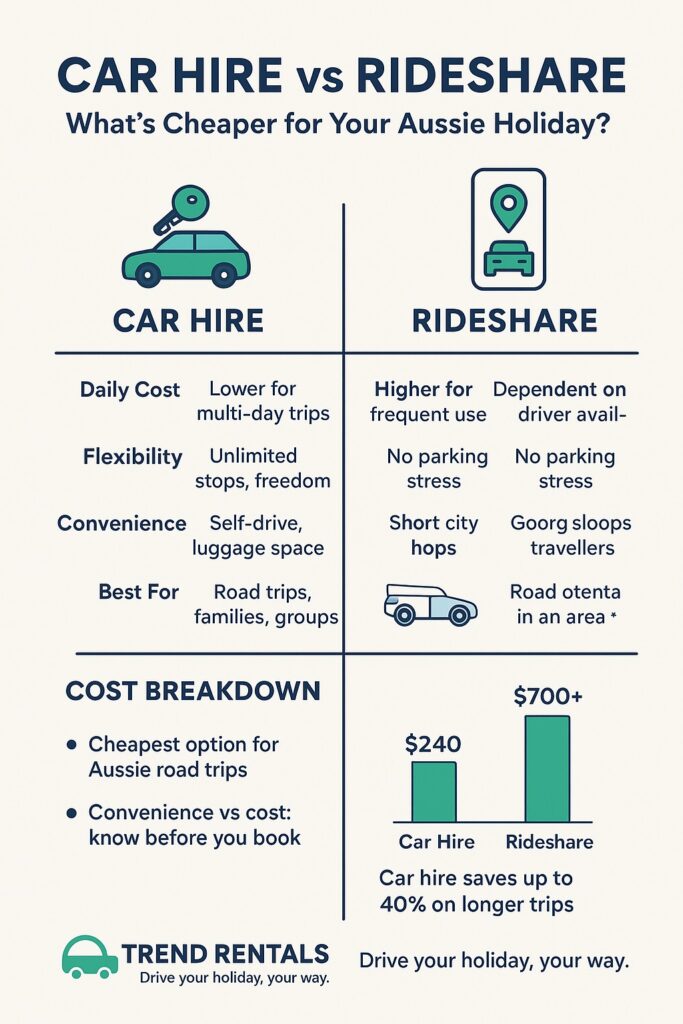
Why This Comparison Matters More Than Ever
Aussie holidays often involve long distances, remote attractions, and limited public transport—especially in destinations like Cairns, Alice Springs, the Pilbara, Gold Coast hinterland, or Tasmania’s scenic routes.
Rideshare is perfect for quick city trips—but is it suitable for holiday travel?
And is car hire expensive, or is it actually better value over several days?
The only way to know is to compare them based on:
- Cost
- Convenience
- Accessibility
- Safety
- Flexibility
- Hidden fees
- Type of travel and distance
By the end of this guide, you’ll have a clear, evidence-based answer for your own holiday plans.

1. Cost Comparison: Car Hire vs Rideshare
Let’s start with what most travellers want to know first: Which option is cheaper?
The answer depends on:
- Your destination
- The number of daily trips you plan to take
- How long you’re travelling
- Peak season vs off-peak
- Whether you’re travelling solo or with others
Below is a deep dive into each option.
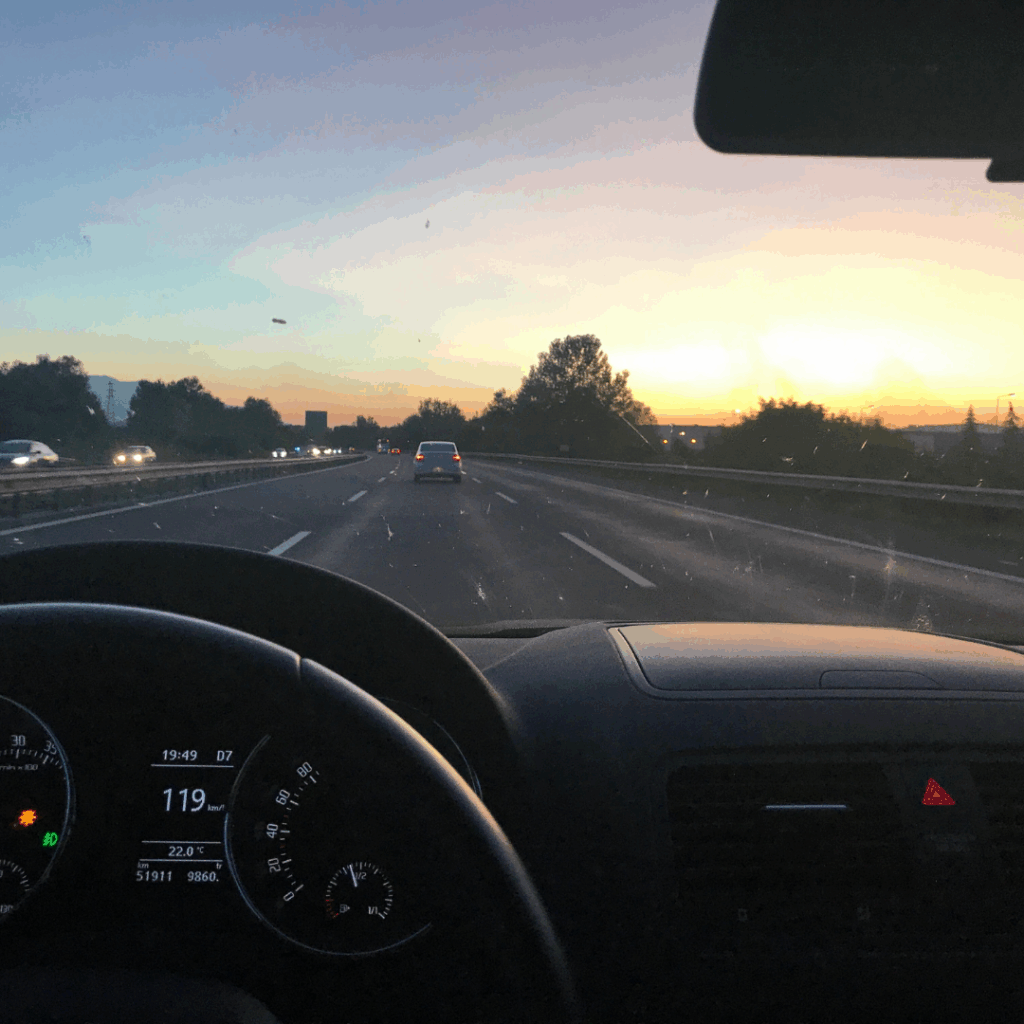
Car Hire Costs – What You Actually Pay For
Car rental companies—especially local operators like Trend Rentals—usually offer daily or weekly fixed rates.
Your overall rental cost typically includes:
- Base daily rate
- Optional insurance reduction
- Fuel
- Bond (sometimes refunded on return)
- Optional add-ons (GPS, baby seat, additional driver)
A realistic example:
Example Car Hire Cost (5-Day Holiday)
- Base rate: $69/day
- Insurance reduction: $25/day (optional)
- Estimated fuel: $70 total
- Total for 5 days: $590 (approx.)
For families or two+ travellers, the cost stays the same, unlike rideshare where multiple people increase costs (i.e., need XL rides).
If you’re booking with a company like Trend Rentals, you may also benefit from:
- Long-term discounts
- Local airport pickup
- Unlimited kilometre options
- No hidden surge pricing
For longer holidays, the savings add up fast.

Rideshare Costs – What You May Not Realise You’re Paying For
Rideshare apps charge based on:
- Distance
- Time
- Car type
- Peak surcharges
- Holiday surcharges
- Airport fees
- Tolls
- Minimum fares
- Demand spikes (quite common in tourist areas)
Let’s look at a typical holiday scenario.
Example Holiday Rideshare Use (Cairns 5-Day Trip)
- Hotel to city centre: $12 each way
- Hotel to restaurants at night: $18 each way
- Day trips:
- Skyrail/Smithfield: $45 one way
- Palm Cove: $35 one way
- Airport trips: $25–$45 each way
Total over 5 days (moderate travel): $450–$650+
But here’s the real catch:
If you take even ONE long-distance day trip using rideshare, your costs skyrocket.
For example:
- Cairns to Port Douglas one way: $110–$180
- Cairns to Cape Tribulation one way: $260–$350
- Cairns to Mission Beach one way: $200+
Multiply that by return trips and rideshare becomes significantly more expensive than hiring a car.

2. Flexibility: Which Option Gives You More Freedom?
Car Hire Wins for Flexibility
With a hire car, you can:
- Leave whenever you want
- Make spontaneous stops
- Take scenic routes
- Store bags, snacks, beach gear
- Return late without worrying about availability
- Drive to attractions that rideshare drivers may refuse
In destinations like Cairns, the Gold Coast, Darwin, and regional NSW/VIC, many attractions are NOT serviced by rideshare or taxis.
Renting a vehicle from Trend Rentals gives you full control over your itinerary—ideal for nature-based travel.

Rideshare Limits Your Options
Rideshare is convenient in cities only. Outside metro areas:
- Ride availability is inconsistent
- Drivers reject long-distance trips
- Costs increase sharply
- Some remote areas have no rideshare coverage
- Wait times can be 20–40 minutes or more
- Most drivers avoid unsealed roads or remote lookouts
This limits holiday exploration, especially if you’re heading to:
- Waterfalls
- Lookouts
- National parks
- Early-morning tours
- Remote beaches
- Sunset viewpoints
Car hire is dramatically more reliable for these experiences.

3. Convenience: Which One Feels Easier During Your Holiday?
Car Hire Convenience Benefits
Car hire gives you:
✔ Door-to-door freedom
No waiting around—your itinerary is yours.
✔ Room for luggage
Especially useful for families.
✔ Zero stress for late-night travel
Bars, restaurants, night markets—you don’t need to rely on driver availability.
✔ Cheaper group travel
One car’s daily cost split between 2–5 people is extremely cost-effective.
✔ Predictable costs
Unlike rideshare, where prices surges are common, especially during:
- School holidays
- Public holidays
- Concert nights
- Rainy days
- Peak summer travel
If you want a smooth holiday with minimal surprises, hiring a car is often easier.
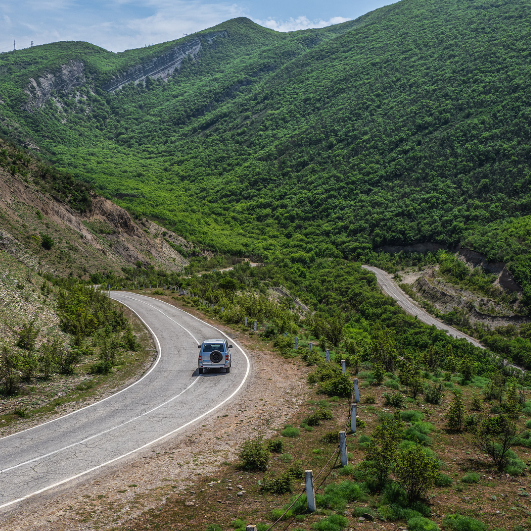
Where Rideshare Is More Convenient
Rideshare is a great choice when:
- You’re staying in a big city (Sydney, Melbourne, Brisbane)
- You only need short trips
- You don’t plan to leave metro areas
- You want to avoid parking fees
- You dislike driving in traffic
For purely city-based holidays, rideshare can be convenient as long as surge pricing doesn’t hit too hard.

4. Safety Considerations
Both options are generally safe, but each comes with different risks.
Car Hire Safety Benefits
- You control the environment
- You can drive at your own pace
- Vehicles from Trend Rentals undergo strict safety checks, servicing, and cleaning
- Suitable for remote and off-road travel
- No risk of getting in a car with an unfamiliar driver at night
- Ideal for families and solo female travellers
If you’re exploring remote or semi-remote areas such as Cape York, Blue Mountains, Rottnest Island access points, Arnhem Land, or NT desert routes—hiring a vehicle is the safest choice.

Rideshare Safety Risks
- Limited availability in remote areas
- Driver variability (experience, service quality, safety)
- Less control over vehicle condition
- Riskier late-night pickups
- No car seat availability for children unless pre-booked
- Drivers may decline long or unprofitable trips
For late-night travel, airport early-morning drop-offs, or remote trips, car hire is objectively safer and more reliable.

5. Hidden Fees & Surprises—What You Need to Know
Hidden Costs With Rideshare
- Surge pricing
- Airport pickup fees
- Booking fees
- Toll pass-through costs
- Cancellation fees
- Long-distance charges
- Holiday surcharges
- Limited supply surcharge (common in tourist towns)
These add up FAST.

Hidden Costs With Car Hire
Car hire can have:
- Insurance excesses
- Fuel refills
- Tolls
- Optional add-ons
But you see these fees upfront, and companies like Trend Rentals offer:
- Clear pricing
- Easy insurance reduction options
- No hidden surge fees
- Unlimited km in many bookings
Car hire in most cases remains more predictable and transparent.

6. Real Holiday Itinerary Comparison: Which Is Cheaper?
To make this realistic, here are several examples.
Scenario 1: Cairns Nature-Explorer Holiday (5 Days)
Destinations:
- Palm Cove
- Kuranda
- Fitzroy Ferry Terminal
- Barron Falls
- Cairns Esplanade restaurants
- Airport transfers
Rideshare Total: $520–$820
Trend Rentals Car Hire Total: $460–$590
Car Hire Wins (by $100–$250 or more)

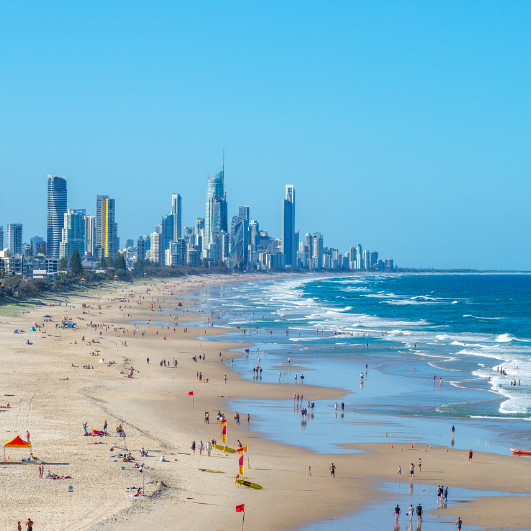
Scenario 2: Gold Coast / Brisbane Beach & Theme Park Holiday (5 Days)
Destinations:
- Surfers Paradise
- Broadbeach
- Sea World
- Movie World
- Mount Tamborine
Rideshare Total: $600–$900
Theme park runs alone are $35–$60 each way.
Car Hire Total: $400–$550
Car Hire Wins (by $150–$350)
Scenario 3: Sydney City-Only Holiday (4 Days)
Destinations:
- Circular Quay
- Bondi
- Darling Harbour
- Airport transfers
Parking is expensive in Sydney CBD.
Rideshare Total: $180–$300
Car Hire Total (with CBD parking): $350–$480
Rideshare Wins if staying in Sydney CBD.
However, if exploring Blue Mountains or Central Coast, car hire becomes essential.

7. When Car Hire Is Clearly the Better Option
Choose car hire when:
✔ You’re travelling in a group or as a family
✔ You’re visiting regional or semi-regional areas
✔ You value flexibility
✔ You want predictable, fixed travel costs
✔ You’ll be doing day trips
✔ You have beach gear or luggage
✔ You don’t want to wait around for drivers
✔ You want to explore local food spots, beaches, waterfalls, markets
Hiring a car from Trend Rentals makes your holiday more spontaneous, more fun, and often significantly cheaper.

8. When Rideshare Might Be Better
Choose rideshare when:
✔ Your entire trip is within a major CBD
✔ You’re travelling solo
✔ Parking fees are extremely high
✔ You only need a couple of short trips each day
✔ You don’t mind waiting 5–20 minutes for pickup
For small city holidays, rideshare does the job—just avoid peak times when pricing can double.
9. Fuel Costs: Are They a Dealbreaker?
Fuel is one of the most misunderstood parts of the comparison.
Many travellers assume:
“Rideshare is cheaper because I don’t pay for fuel.”
But this is misleading because rideshare already includes fuel, plus profit, plus surge fees, plus demand pricing—making each trip significantly more expensive.
On average:
- A 5-day holiday uses $50–$90 of fuel
- A single rideshare to attractions like Port Douglas, Philip Island, or Sunshine Coast can cost $100–$250 one way
Fuel becomes a minor expense compared to rideshare fare totals.

10. Car Hire and Insurance: What You Should Know
Car hire often comes with an insurance excess, but providers like Trend Rentals offer:
- Low-cost insurance reduction
- Clear explanations of coverage
- No confusing terminology
- WA and QLD-specific coverage options
- Suitable vehicles for rough roads if needed
This makes car hire safer and cheaper in the event of accidental damage.

11. Environmental Impact: Which Option Is Greener?
Rideshare vehicles often spend long periods driving around waiting for fares.
Car hire vehicles:
- Are driven only by you
- Do not cruise empty
- Often include newer, fuel-efficient models
- Allow longer trips with fewer wasted kilometres
If you choose a hybrid or economical small car, your footprint is even lower.

12. Final Verdict: Car Hire vs Rideshare—What’s Cheaper?
After comparing cost, convenience, flexibility, and real-world scenarios, the answer becomes very clear.
Car hire is almost always cheaper for multi-day holidays, day trips, groups, regional travel, and nature-focused itineraries.
Rideshare is cheaper only for short, city-only holidays with minimal daily travel.
For the majority of Aussie travel experiences—especially in places like Cairns, Darwin, Sunshine Coast, Gold Coast, Tasmania, and regional WA—car hire delivers:
- Better value
- More convenience
- More freedom
- Lower total holiday cost
If you want predictable pricing, flexible travel, and easy access to attractions, choosing a reliable provider such as Trend Rentals is one of the smartest ways to save money and enjoy your holiday to the fullest.
Conclusion
Your holiday transport choice can make or break the experience. Rideshare is easy for quick city hops, but for real Aussie exploration—beaches, rainforests, wineries, national parks—nothing beats the freedom, comfort, and value of car hire.
When you want clear pricing, reliable vehicles, and local service, check out Trend Rentals for affordable and flexible hire options across Australia.