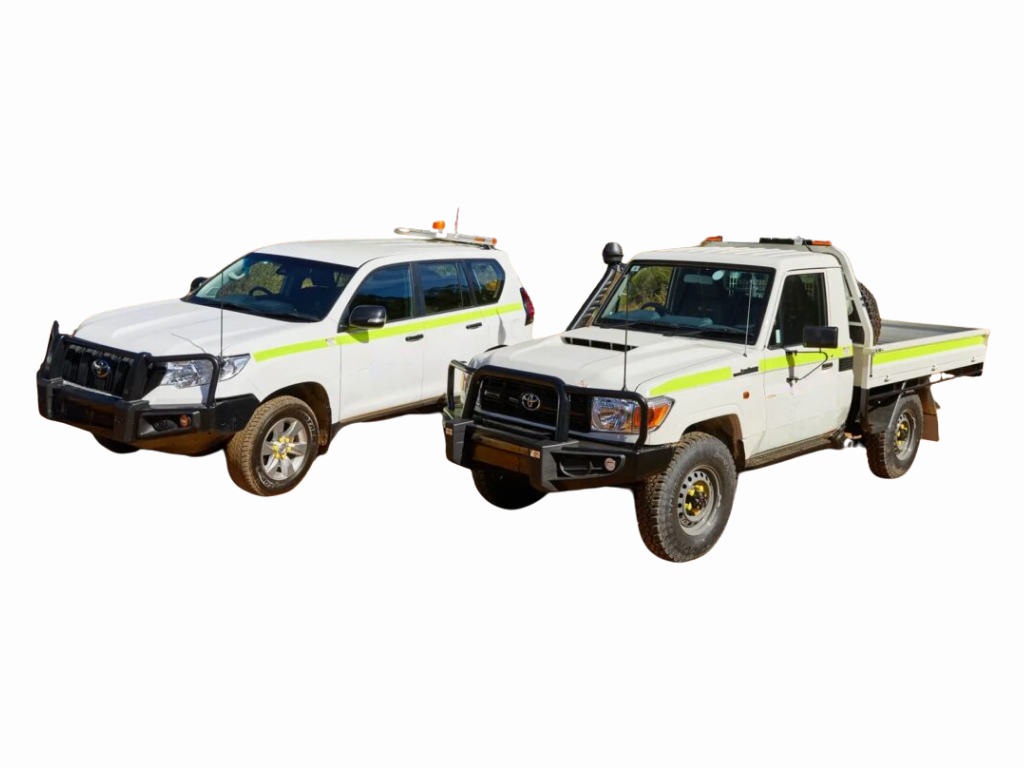
Mining and resource projects in Australia operate under some of the strictest safety frameworks in the world. Vehicles entering mine sites must meet mine-spec compliance standards—a set of modifications and safety requirements designed to protect workers and ensure operational efficiency.
But what happens if your fleet fails a compliance audit? The consequences can be severe: denied site access, costly fines, reputational damage, and project delays. This blog explores the audit process, common pitfalls, and how companies can avoid failure by partnering with trusted providers like Trend Rentals.
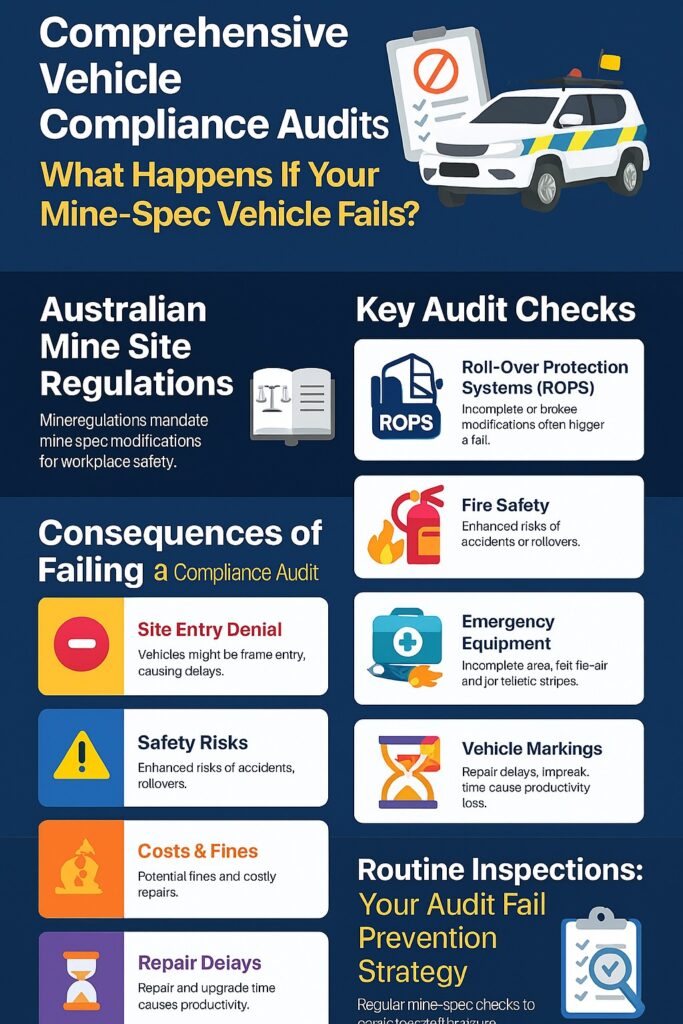
1. What is a Mine-Spec Vehicle Compliance Audit?
A compliance audit is a formal inspection conducted by mining operators or regulators to ensure vehicles meet Work Health and Safety (WHS) standards.
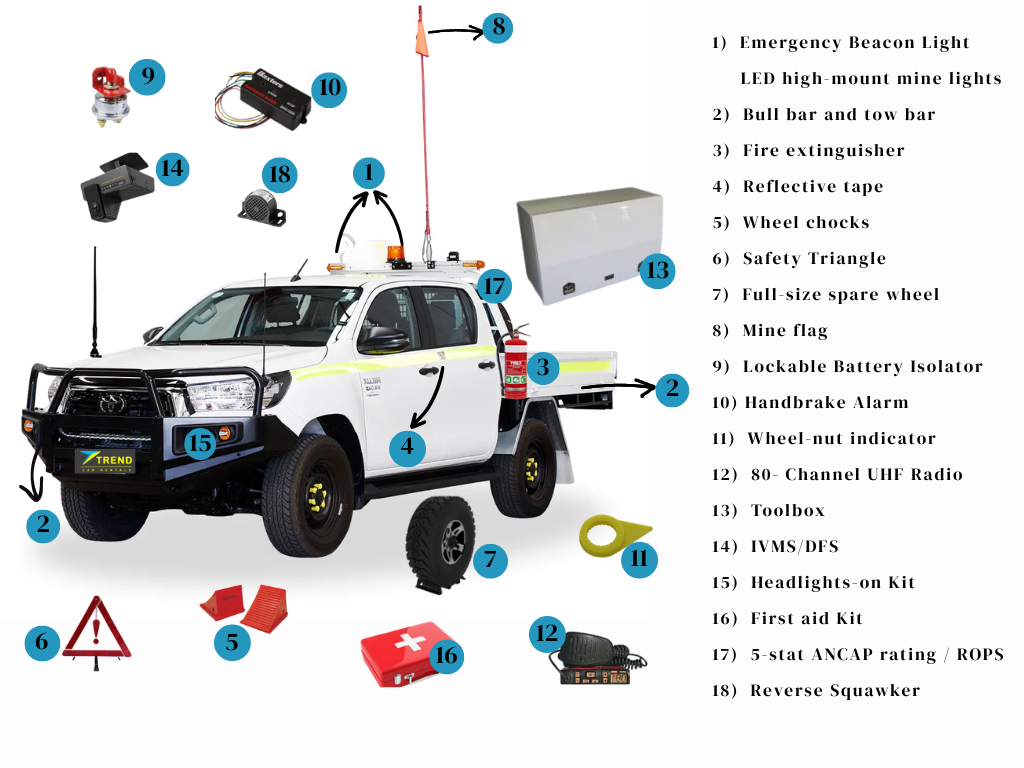
Audits typically check for:
- Rollover Protection Systems (ROPS)
- Fire extinguishers and suppression equipment
- First-aid kits and emergency gear
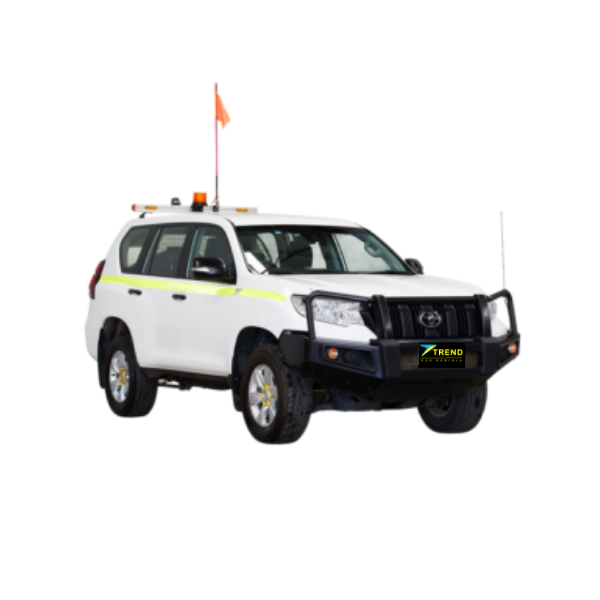
- High-visibility reflective markings and safety flags
- Two-way radios or satellite communication systems
- Battery isolators and reversing alarms
Failing any of these checks can result in immediate rejection at the mine gate.
👉 For a full guide, see Trend Rentals’ comprehensive mine-spec requirements blog.
2. Common Reasons Companies Fail Compliance Audits
Despite best intentions, many fleets fail audits due to:
- Missing or outdated equipment (e.g., expired fire extinguishers)
- Poor maintenance (worn tyres, faulty brakes, broken lights)
- Incorrect modifications (non-certified ROPS or DIY fit-outs)
- Documentation gaps (no service logs or compliance certificates)
- Inconsistent standards across sites (vehicles compliant in one state but not another)
3. Consequences of Failing a Compliance Audit
Failing an audit has serious financial and operational consequences:
- 🚫 Denied Site Access – Vehicles cannot enter, halting operations.
- ⏱️ Downtime Delays – Projects stall while vehicles are retrofitted.
- 💸 Fines & Liability – Non-compliance can trigger penalties under WHS law.
- 📉 Reputational Damage – Contractors risk losing future tenders.
- 🧾 Hidden Costs – Emergency retrofits, towing, and replacement vehicles add up.
👉 Learn how to avoid hidden costs in Trend Rentals’ blog on fleet ownership risks.

4. How to Prepare and Pass Compliance Audits
Preparation is key. Companies should:
- Conduct regular internal inspections
- Keep detailed service logs
- Train staff on mine-spec requirements
- Hire vehicles from compliant providers like Trend Rentals
- Standardise fleet requirements across sites
5. Why Hiring Mine-Spec Vehicles is the Smart Choice
Owning fleets means bearing the full burden of compliance. Rentals eliminate this risk:
- ✅ Vehicles arrive site-ready
- ✅ Maintenance included
- ✅ Compliance guaranteed
- ✅ Scalable fleets for multi-site projects
- ✅ No depreciation risk
👉 Explore long-term mine-spec hire options for cost-effective compliance.
6. Case Studies: Real-World Audit Failures
- Case Study 1: Retrofit Nightmare A contractor failed entry at a Queensland coal mine due to missing ROPS. Retrofitting cost $50,000 and delayed the project by two weeks.
- Case Study 2: Documentation Gap A South Australian exploration company had compliant vehicles but no service logs. They were fined and forced to re-certify the fleet.
- Case Study 3: Idle Assets A WA firm purchased vehicles for one project. When audits failed at a new site, they faced costly retrofits and idle fleet expenses.
8. Conclusion
Failing a mine-spec compliance audit is more than an inconvenience—it’s a serious risk to safety, finances, and reputation. By hiring vehicles from Trend Rentals, companies gain peace of mind knowing their fleets are fully compliant, regularly serviced, and site-ready.
When every hour counts, compliance isn’t optional—it’s the difference between project success and costly failure.