Author: TrendRentals — Practical safety guidance for contractors using mine‑spec vehicles.
Introduction
Working on mine sites demands discipline, equipment that meets strict standards, and crews who follow processes to the letter. Mine‑spec vehicles bridge the gap between everyday transport and purpose‑built heavy‑duty machines. However, contractors still make avoidable mistakes that compromise safety, compliance and project timelines.
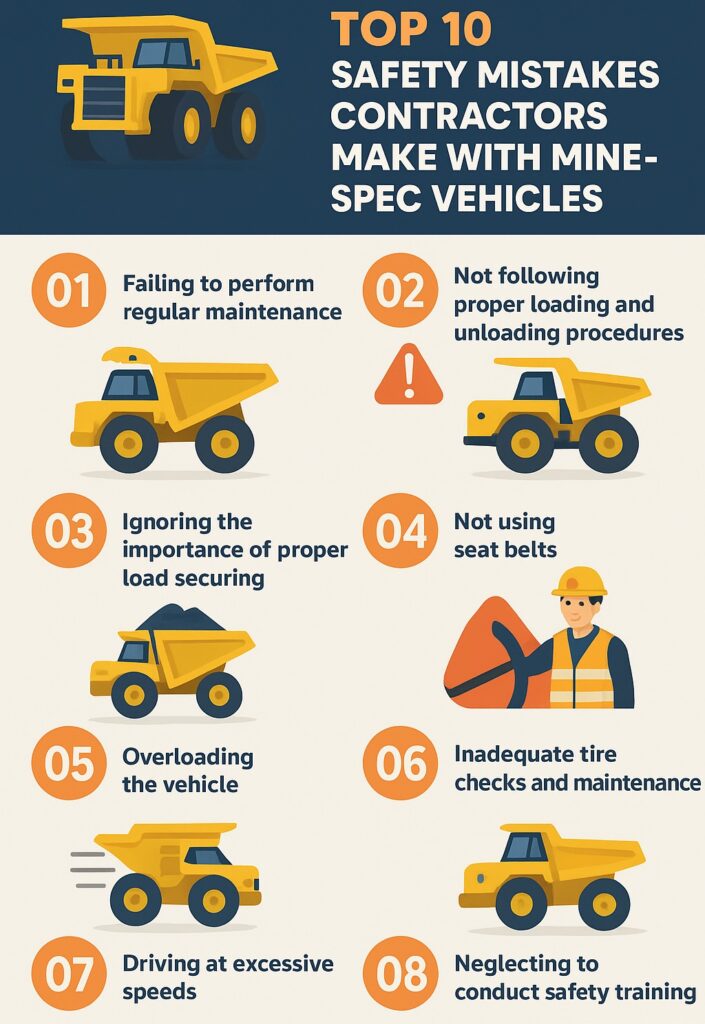
This guide dives into the Top 10 safety mistakes contractors make with mine‑spec vehicles, why each error matters, clear prevention steps, and practical checklists you can implement today. Wherever relevant, we’ve linked to useful TrendRentals resources to help you get compliant vehicles fast.
Why mine‑spec safety matters
Mine sites are high‑risk environments: rough terrain, heavy machinery, long hours, and strict site rules. A single vehicle incident can cause injury, regulatory fines, project delays, and reputational damage. Mine‑spec vehicles are designed to meet those conditions — but only when they’re used, inspected and maintained correctly.
Key outcomes of applying these fixes: reduced downtime, stronger compliance, lower insurance claims, and improved crew morale.
1) Skipping detailed pre‑start inspections
The mistake: Crews rush pre‑start checks or rely solely on digital reminders. Vital defects are missed — worn tyre beads, loose mounts, cracked guards or fluid leaks.
Why it matters: A missed defect can quickly become a major failure when operating on harsh mine roads.
Prevention:
- Use a standardised pre‑start checklist specific to mine‑spec vehicles (see checklist below).
- Train a small team of competent inspectors; rotate responsibilities to avoid complacency.
- Document inspections — photographs plus digital sign‑off is best practice.
Actionable checklist (pre‑start):
- Tyre condition & pressure (including spares)
- Brake function & pedal travel
- Steering play & linkage security
- ROPS/FOPS integrity (visual inspection)
- Seat belt operation & mount points
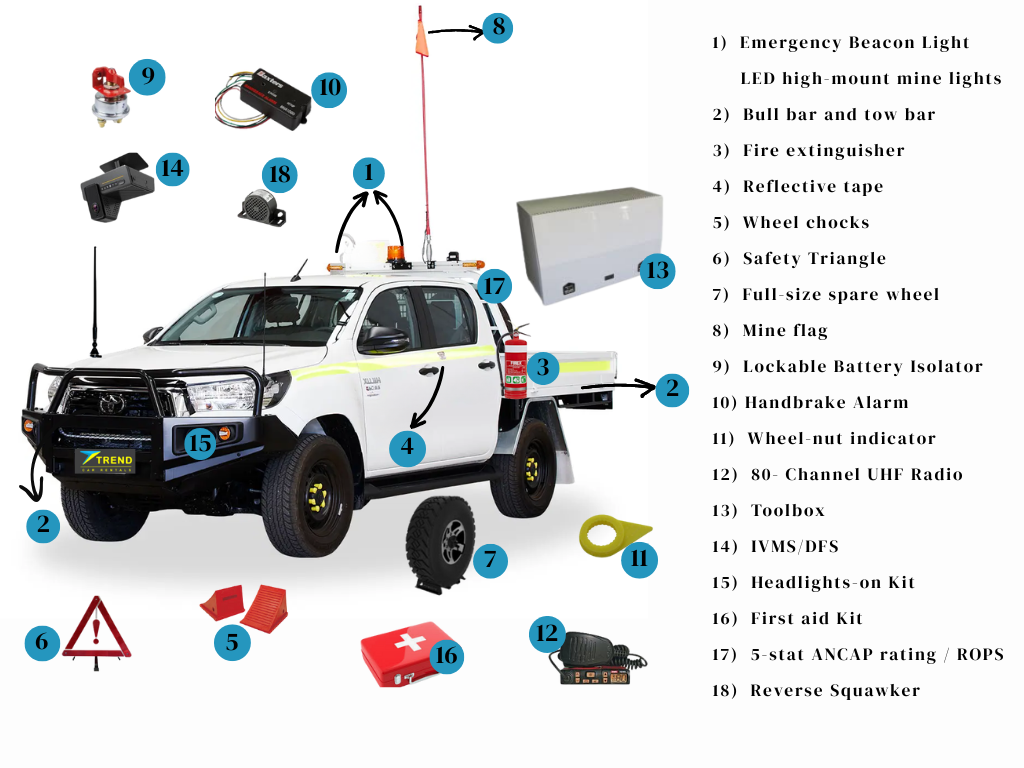
- Lights, beacons & reversing alarms
- Fire extinguisher service tag
- Fluid levels & signs of leakage
Need properly inspected mine‑spec vehicles? Browse our fleet:
2) Using the wrong vehicle for the task
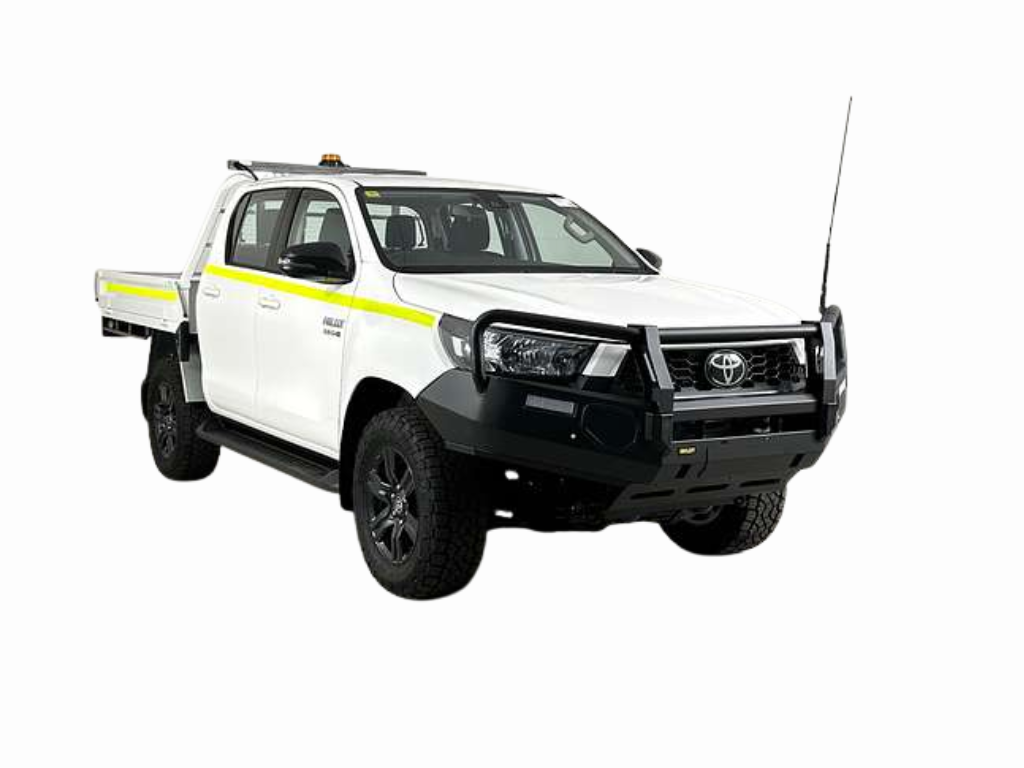
The mistake: Assigning standard utes or leased vans to tasks that require certified mine‑spec vehicles (e.g., long‑reach travel across undulating haul roads).
Why it matters: Under‑specified vehicles have higher failure rates, risk rollovers, or can void insurance on site.
Prevention:
- Match the task and terrain to vehicle specification — ROPS/FOPS, tyre rating, load capacity, and suspension.
- When in doubt, consult site OEM or the rental provider.
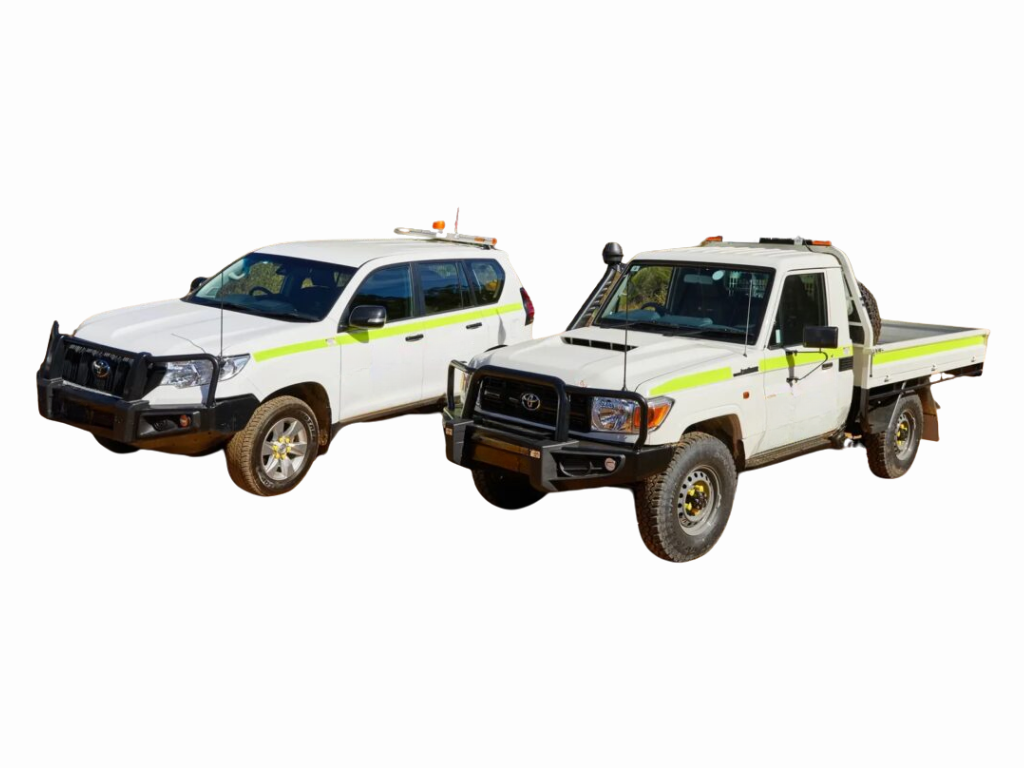
TrendRentals tip: Use our fleet filter to compare mine‑spec options and request specs before booking:
3) Poor communication of site induction and vehicle limits
The mistake: Assuming every driver knows the vehicle limits, or relying on a one‑page site induction that doesn’t mention vehicle specifics.
Why it matters: Drivers may overload vehicles, drive at unsafe speeds, or ignore tow capacities.
Prevention:
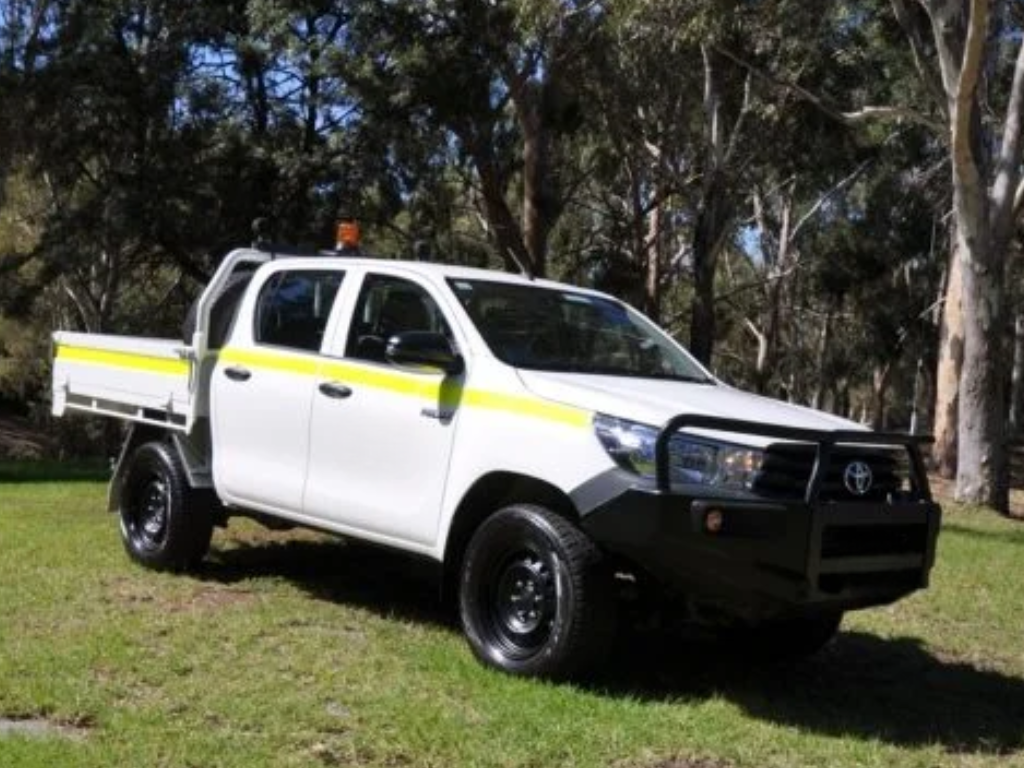
- Include vehicle‑specific briefings in the site induction — maximum speed on haul roads, towing limits, and stability warnings.
- Post quick reference placards in the vehicle (load limits, tyre pressures, maximum travel speed).
4) Inadequate maintenance regime
The mistake: Reactive maintenance only — addressing faults when a breakdown occurs rather than preventing them.
Why it matters: Reactive fixes are expensive, cause downtime and often miss underlying issues (e.g., progressive suspension failure).
Prevention:
- Implement a preventive maintenance schedule tied to hours and kilometres, not just calendar dates.
- Keep a maintenance log accessible in the vehicle and centrally.
- Use OEM‑approved parts and qualified technicians.
TrendRentals support: If you hire, request maintenance history and service intervals for each unit before deployment

5) Overloading and incorrect load restraint
The mistake: Vehicles are loaded above their Gross Vehicle Mass (GVM) or payload capacity, and loads are not secured to mine standards.
Why it matters: Overloading affects braking, steering, and rollover thresholds. Loose loads can shift and destabilise the vehicle.
Prevention:
- Maintain accessible load charts for each vehicle.
- Use approved tie‑down points and rated restraints; inspect them daily.
- Train crews in correct load distribution — heavy items low and centre.
Practical check: Always weigh the vehicle at the start of a job and record the figures.

6) Ignoring environmental and seasonal hazards
The mistake: Failing to adapt driving and vehicle setup for wet seasons, dust, heat, or extreme cold.
Why it matters: Conditions change the way vehicles behave. Mud increases stopping distances. Heat stresses cooling systems.
Prevention:
- Adopt seasonal maintenance (e.g., mud flaps, upgraded air filters in dusty seasons, coolant checks in heat).
- Adjust tyre pressures for load and surface type within OEM guidance.
- Provide driver briefings for seasonal hazards and revise speed limits if needed.
TrendRentals note: Ask our team for seasonal fit‑outs if hiring — we can recommend filters, tyres and accessories suitable for the region:

7) Poorly planned fatigue management
The mistake: Long shifts with insufficient rest, especially on remote sites where travel times are long.
Why it matters: Fatigue reduces reaction time and decision‑making; it’s one of the leading causes of vehicle incidents.
Prevention:
- Implement a fatigue management plan aligned with site rules and national guidelines.
- Use rosters that limit driving hours and provide mandated breaks.
- Encourage reporting of fatigue without penalty.
Technology aid: Driver logging apps and telematics can help monitor hours and driving behaviour.

8) Incomplete emergency equipment and poor response training
The mistake: Vehicles lack correctly rated fire extinguishers, first aid equipment, or high‑visibility tools; crews aren’t trained in vehicle‑specific emergency procedures.
Why it matters: In an incident, inadequate equipment or untrained responses can turn a minor event into a major incident.
Prevention:
- Fit each vehicle with a service‑tagged fire extinguisher, trauma first aid kit, and high‑visibility blankets.
- Conduct vehicle‑specific emergency drills quarterly.
- Ensure the vehicle has an up‑to‑date radio/communication plan and GPS coordinates for extraction.
TrendRentals recommend: Confirm emergency kit contents and service tags at point of hire.

9) Not using appropriate PPE and securing the cabin
The mistake: Assuming PPE is just personal; not enforcing seat belt use, helmet rules (where applicable), or cabin securement against loose items.
Why it matters: In a roll or sudden stop, unsecured tools become projectiles; unbuckled occupants are at far greater risk of severe injury.
Prevention:
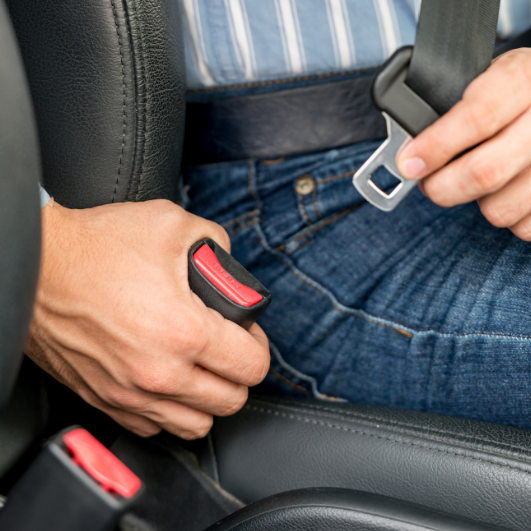
- Enforce seatbelt policies — zero tolerance.
- Use cabin storage solutions for tools and ensure loose items are stowed.
- Require and audit PPE compliance.
Tip: Fit lockable internal boxes for small tools and ensure passengers know seatbelt and seating rules before departure.
10) Poor handover between shifts or contractor/owner operators
The mistake: Critical defects are not communicated during handover; logs are incomplete or overdue.
Why it matters: The next driver may be unaware of a developing fault, increasing the risk of failure during operation.
Prevention:
- Use a mandatory handover form with photo uploads for any defects.
- Require the outgoing driver to verbally brief the incoming driver on outstanding issues.
- Hold daily toolbox talks that include vehicle condition summaries.
Sample handover fields: vehicle ID, odometer/hours, defects reported, actions taken, next service due, fuel level, tyre pressures, driver signature.

Quick standardised checklists you can implement today
A. Daily pre‑start checklist (compact)
- Walk‑around inspection: tyres, lights, fluid leaks
- Brakes & steering check
- Seatbelt & ROPS visual check
- Load restraint verification
- Safety equipment present & service tags current
B. Weekly vehicle log
- Hours/km driven
- Defects reported + photos
- Maintenance performed
- Tyre & fluid top‑ups
C. Handover & defect report (two minute form)
- Vehicle ID, run number
- Date/time, driver name in/out
- Key defects with photos
- Immediate actions & next steps
Implementing a culture of continuous improvement
Safety isn’t a one‑off checklist — it’s the sum of leadership, training, clear processes and accountability. Start by embedding small, repeatable actions: morning toolbox talks, standardised checklists, and mandatory documentation for every hire.
Leadership tips:
- Celebrate safe runs and positive near‑miss reporting.
- Use telematics to provide non‑punitive coaching to drivers.
- Regularly review incidents to update training and processes.
Legal & compliance note
Different states and sites have varying requirements for mine‑spec modifications, licensing and documentation. Always verify your vehicle specification against the site SMS (Safety Management System) and the relevant state regulatory body before deployment.
If you’re hiring vehicles, request the supplier’s compliance paperwork and service history as part of the booking process.
Case study: small change, big impact
A mid‑sized contractor in northern Queensland reduced vehicle incidents by 55% in 12 months after implementing:
- A digital pre‑start with photo uploads
- Daily toolbox briefings focusing on one vehicle issue
- A no‑blame incident reporting policy
They discovered that most incidents were traced back to basic issues: tyre condition, unsecured loads, and fatigue.
How TrendRentals can help
At TrendRentals we supply a wide range of mine‑spec vehicles, all maintained to industry standards and delivered with optional pre‑hire inspection reports and vehicle placards. If you need a compliant vehicle quickly or want help auditing your current fleet, talk to our team.
Conclusion — practical next steps
Start small. Implement the compact daily pre‑start checklist, enforce seatbelt use, and standardise your handover process. Combine these with preventive maintenance and seasonal checks, and you’ll significantly reduce your vehicle‑related safety risks.
If you’re planning a project or hiring vehicles for the first time, our team at TrendRentals can walk you through vehicle specifications and provide compliance documentation.