By TrendRentals – specialists in mine-spec and commercial vehicle hire across Australia
Introduction
Australia’s infrastructure and civil construction sectors operate in some of the toughest environments in the country. From remote road upgrades and rail corridors to large-scale energy, water and defence projects, contractors are expected to meet mine-level safety standards, even when the worksite isn’t technically a mine.
That’s where mine-spec vehicles come in.
For infrastructure and civil projects, mine-spec vehicles help reduce risk, meet principal contractor requirements, and ensure workers can safely access and move around high-risk sites. However, requirements are often misunderstood, leading to delays, non-compliance notices, and unnecessary costs.
This in-depth guide explains mine-spec vehicle requirements for infrastructure and civil projects, what features are typically required, how rules vary by site, and how hiring from an experienced provider like TrendRentals simplifies compliance.
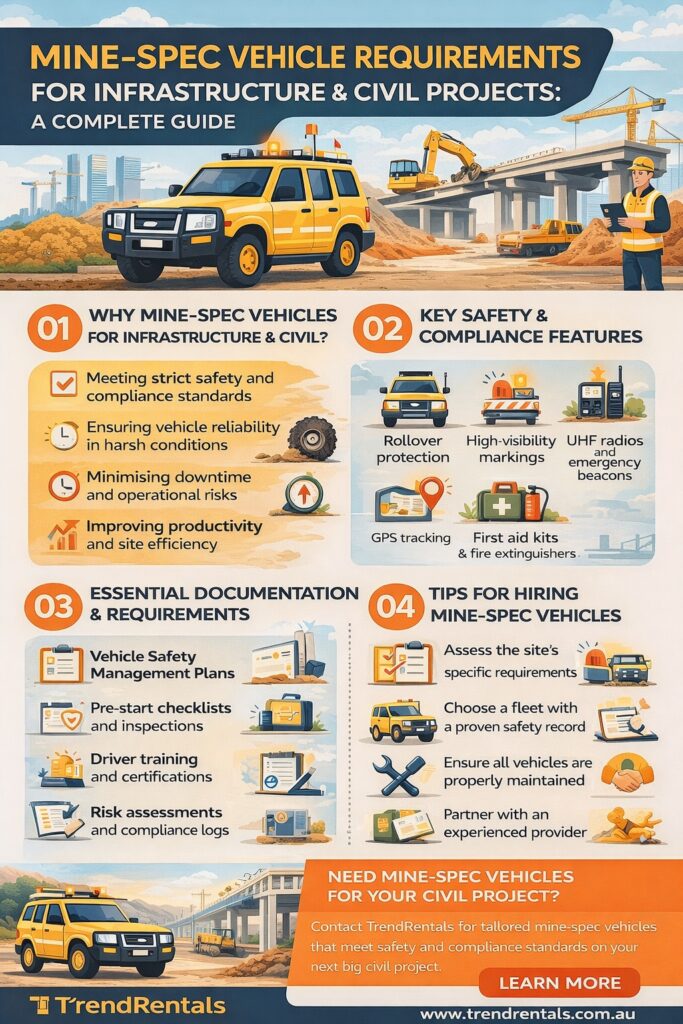
What is a mine-spec vehicle in civil and infrastructure work?
A mine-spec vehicle is a light vehicle modified to meet enhanced safety standards originally developed for mining operations. Increasingly, these standards are being adopted by:
- Major infrastructure projects
- Tier 1 civil contractors
- Government-funded works
- Renewable energy developments
- Remote and regional construction sites
Unlike standard commercial vehicles, mine-spec vehicles are designed to operate safely in environments with:
- Heavy plant and machinery
- Unsealed or unstable roads
- High dust and noise levels
- Fatigue risk and long operating hours
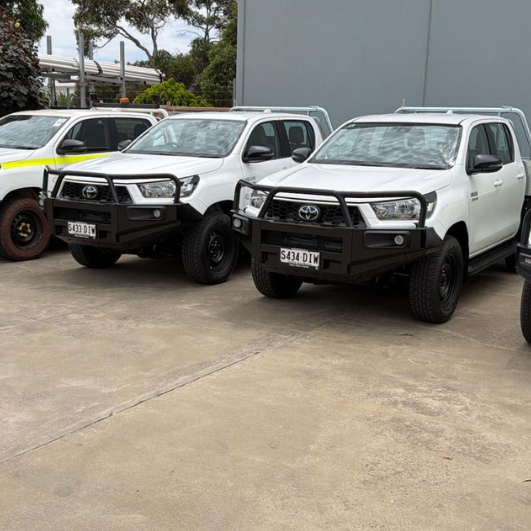
Why mine-spec vehicles are required on civil projects
Many infrastructure projects now mandate mine-spec vehicles due to:
1. Principal contractor safety standards
Tier 1 contractors often apply mining-style safety systems across all projects to maintain consistency and reduce incidents.
2. WHS and duty-of-care obligations
Under Australian WHS laws, employers must eliminate or minimise risk “so far as reasonably practicable.” Mine-spec vehicles are a proven risk-control measure.
3. Remote and high-risk work conditions
Civil projects frequently operate in remote locations with limited emergency access, making vehicle safety critical.
4. Insurance and compliance requirements
Insurers and project owners may require mine-spec vehicles to reduce claims and downtime.
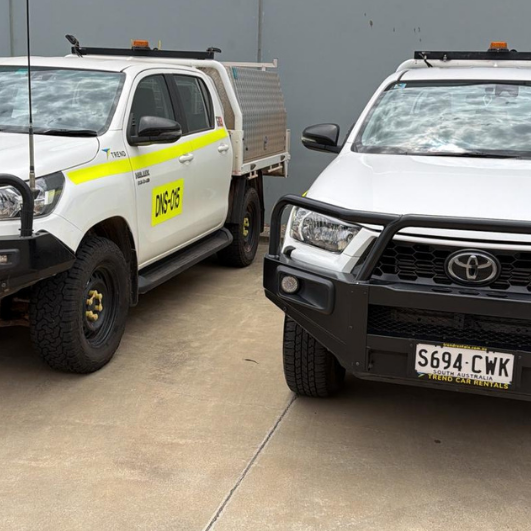
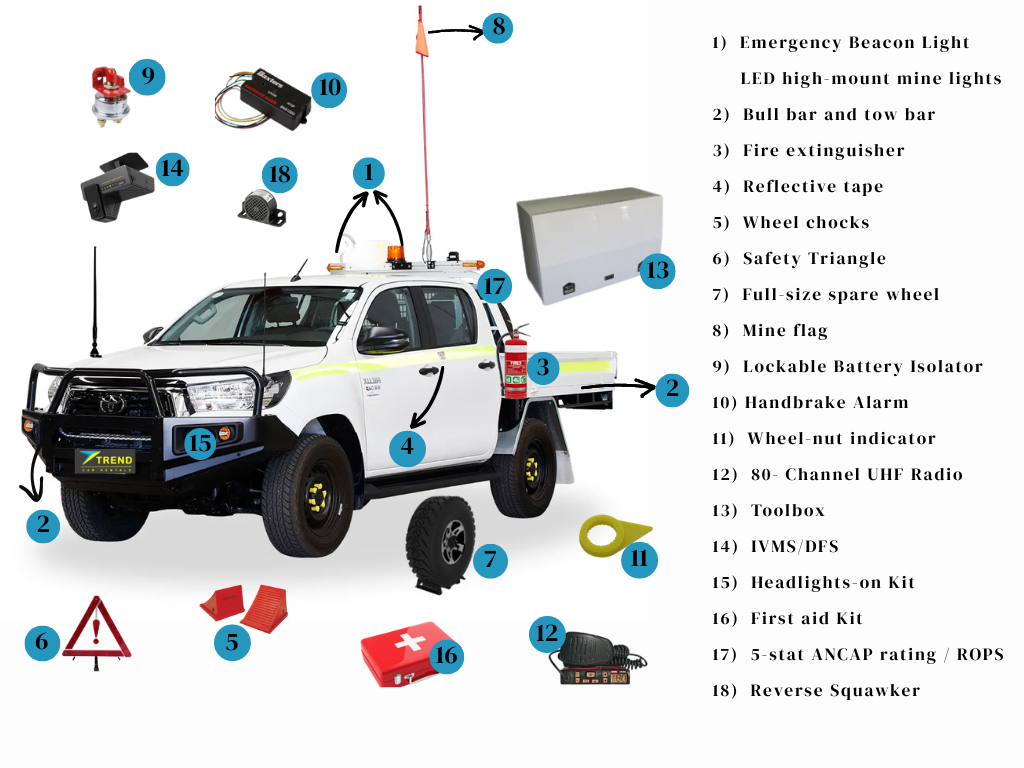
Common mine-spec vehicle requirements for civil projects
While requirements vary by project, most infrastructure and civil sites expect some or all of the following:
Structural safety
- ROPS (Roll-Over Protection Structure)
- FOPS (Falling Object Protection Structure), where overhead risk exists
Visibility and warning systems
- Roof-mounted amber beacon
- High-visibility reflective striping
- Reversing alarms
Occupant safety
- Seatbelt interlocks and alarms
- High-back seats with head restraints
- Fire extinguisher and first-aid kit
Electrical and isolation
- Battery isolation switch
Communication and monitoring
- UHF or site-specific radio
- Optional GPS and telematics
Vehicle types commonly used on infrastructure projects
Different project roles require different vehicle configurations.
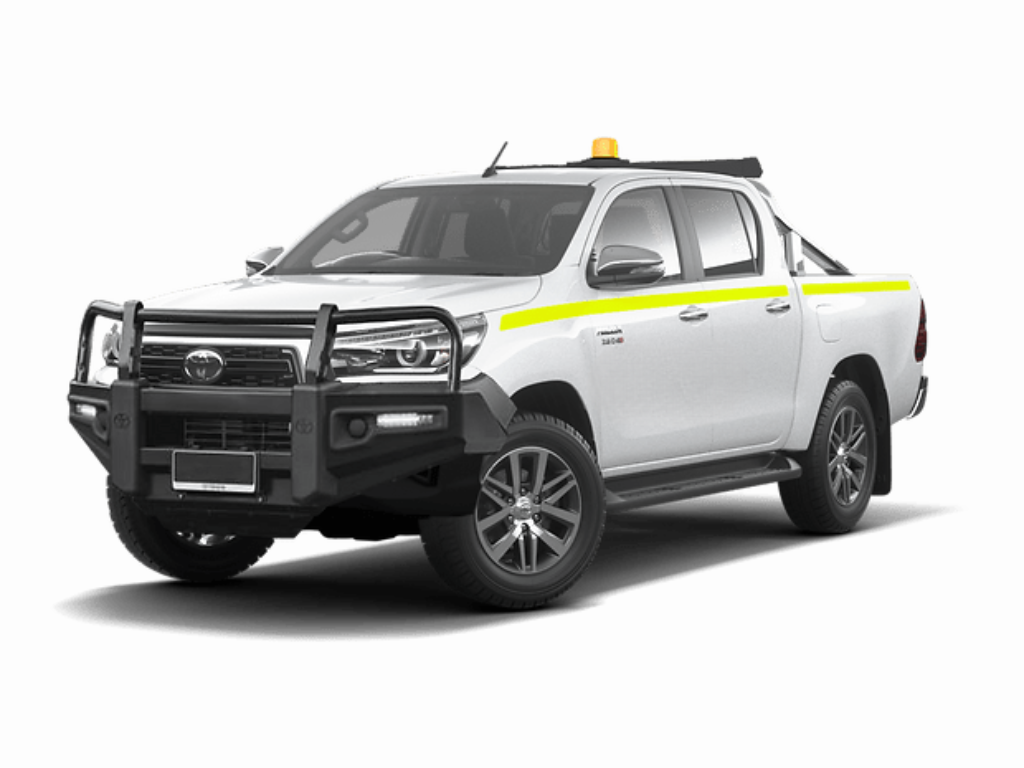
Mine-spec utes
The most common option for supervisors, engineers and trades. Dual-cab 4WD utes are widely used for their versatility.
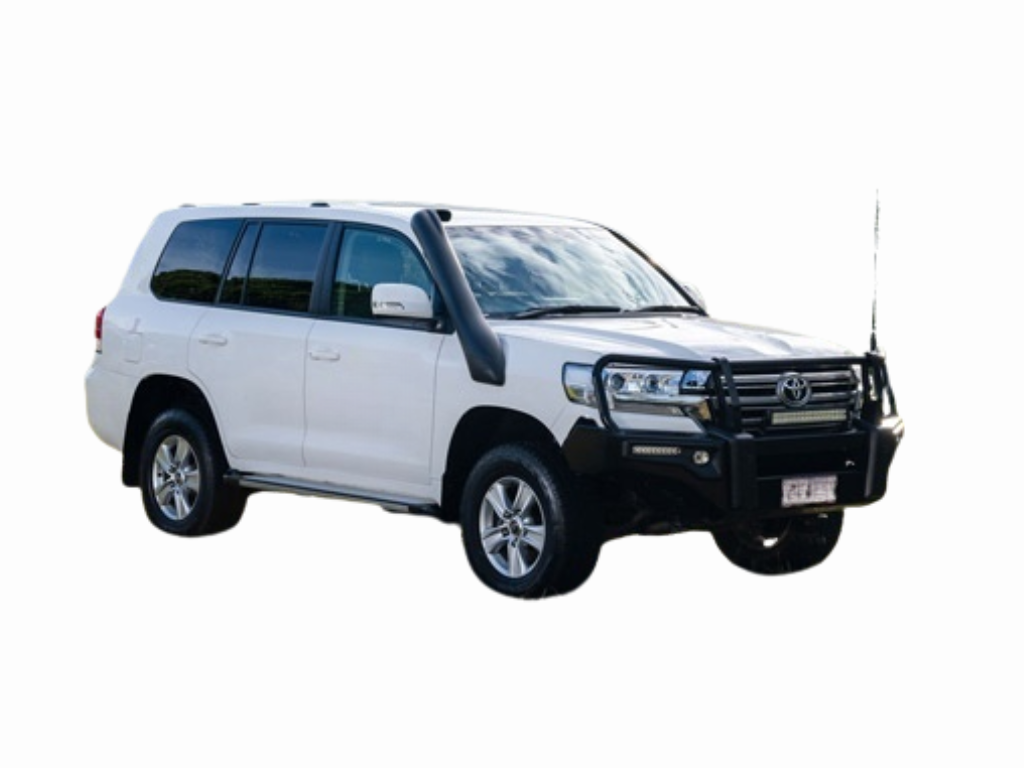
Mine-spec SUVs
Often used by project managers, safety officers and client representatives who require comfort with compliance.
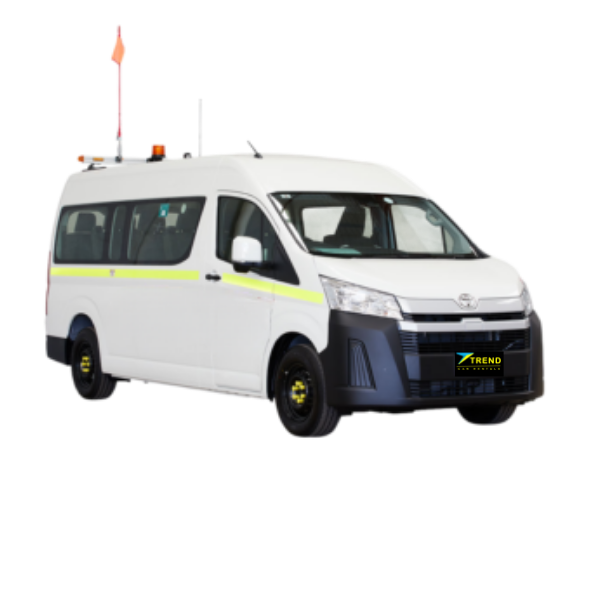
Mine-spec vans
Ideal for mobile crews carrying tools, parts and equipment.
Specialised vehicles
Some projects require tray-back vehicles, service bodies or customised fit-outs.
TrendRentals offers tailored configurations to suit each role.
Site-specific vs standard mine-spec requirements
One of the biggest mistakes contractors make is assuming “mine-spec” means the same thing everywhere.
Site-specific rules may include:
- Additional lighting requirements
- Specific radio frequencies
- Maximum vehicle age limits
- Mandatory reversing cameras
Before mobilising vehicles, always review the site’s Vehicle Safety Management Plan (VSMP).
👉 Need help matching vehicles to site rules? Contact TrendRentals
Documentation and compliance expectations
Civil and infrastructure projects increasingly require formal documentation, including:
- Vehicle compliance certificates
- Pre-start inspection records
- Maintenance and service history
- Defect reporting logs
Hiring from a specialist provider ensures documentation is readily available.
Hire vs buy: what makes sense for civil contractors?
Hiring advantages
- No upfront capital cost
- Vehicles matched to each project
- Maintenance and compliance managed
- Easy upgrades if site rules change
Buying drawbacks
- High modification costs
- Ongoing servicing responsibility
- Risk of non-compliance across projects
For most civil contractors, mine-spec vehicle hire is the most flexible and cost-effective solution.
Cost considerations for mine-spec vehicle hire
Hire pricing depends on:
- Vehicle type and configuration
- Level of mine-spec modification
- Hire duration (short vs long-term)
- Location and logistics
Long-term hire arrangements often provide significant cost savings for infrastructure projects.
Safety responsibilities don’t end with compliance
Even with a compliant mine-spec vehicle, contractors must ensure:
- Daily pre-start inspections are completed
- Defects are reported immediately
- Load limits are not exceeded
- Fatigue management policies are followed
Mine-spec vehicles support safety — they don’t replace good systems and training.
How TrendRentals supports infrastructure and civil projects
TrendRentals works closely with civil and infrastructure contractors across Australia, providing:
- Fully compliant mine-spec vehicles
- Project-specific configurations
- Flexible hire terms
- Fast mobilisation for urgent works
- Expert advice on site requirements
👉 View our fleet
Future trends: mine-spec standards in civil construction
As infrastructure projects grow larger and more complex, expect:
- Greater alignment between mining and civil safety standards
- Increased use of telematics and fatigue monitoring
- More environmentally efficient mine-spec vehicles
- Standardised national compliance frameworks
Staying ahead of these trends helps contractors win and deliver major projects.
Conclusion
Mine-spec vehicles are no longer limited to mining. For infrastructure and civil projects, they are a practical, proven way to improve safety, meet compliance obligations and keep projects moving.
By understanding site requirements and partnering with an experienced provider like TrendRentals, contractors can deploy the right vehicles with confidence.