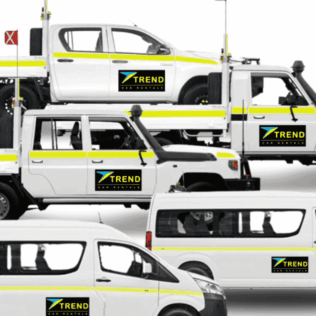
Whether you’re launching a food truck, mobile workshop, or branded service vehicle, planning your site-spec vehicle fit-out costs accurately is essential. A well-executed fit-out enhances operational efficiency, safety, and customer experience—but without proper budgeting, costs can quickly spiral.
In this guide, we break down every cost component operators should consider when planning a vehicle fit-out. We’ll also share tips to forecast expenses realistically and link to helpful resources on Trend Rentals to guide your project from concept to completion.
1. What Is a Site-Spec Vehicle Fit-Out?
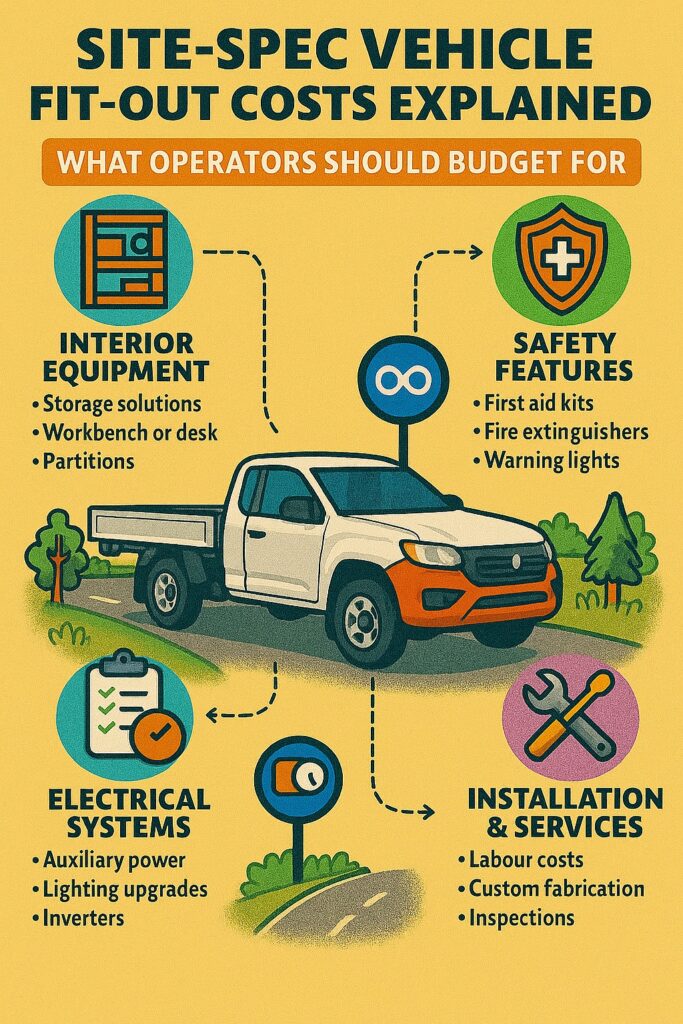
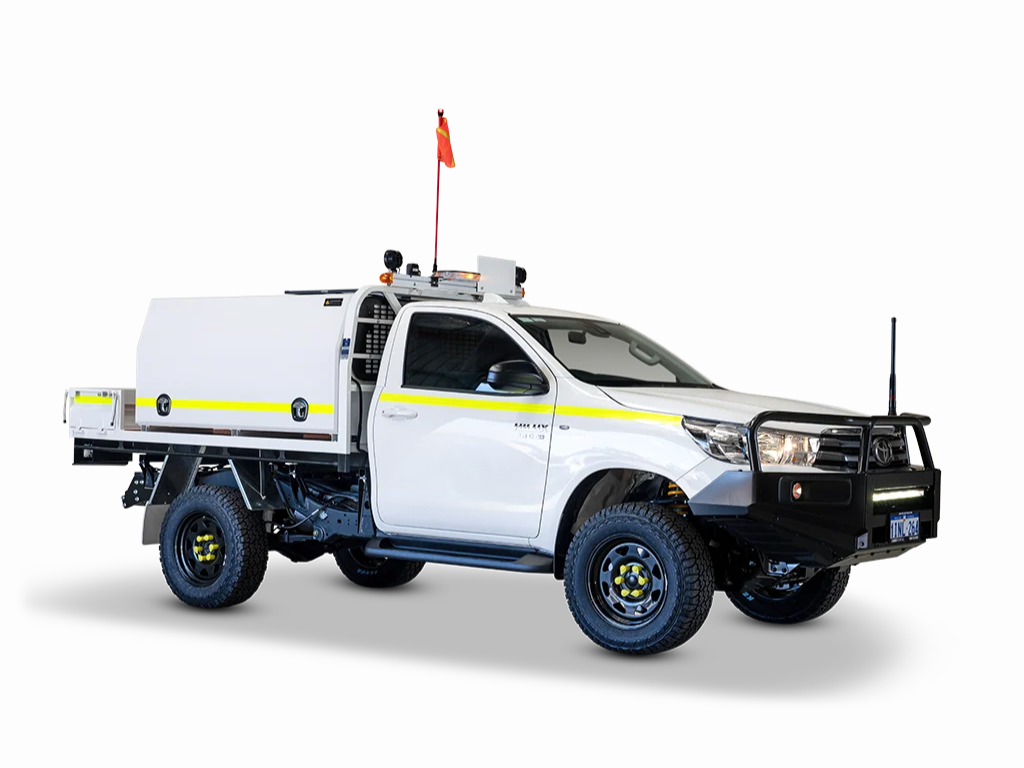
A site-spec vehicle fit-out refers to the process of customizing a vehicle to meet the precise demands of a business’s operations. It’s not a generic shelving installation—it’s tailored to workflow, regulatory compliance, user comfort, and brand identity.
Fit-outs can range from simple storage solutions to complete conversions including electrical systems, plumbing, refrigeration, seating, and bespoke cabinetry.
2. Why Accurate Budgeting Matters
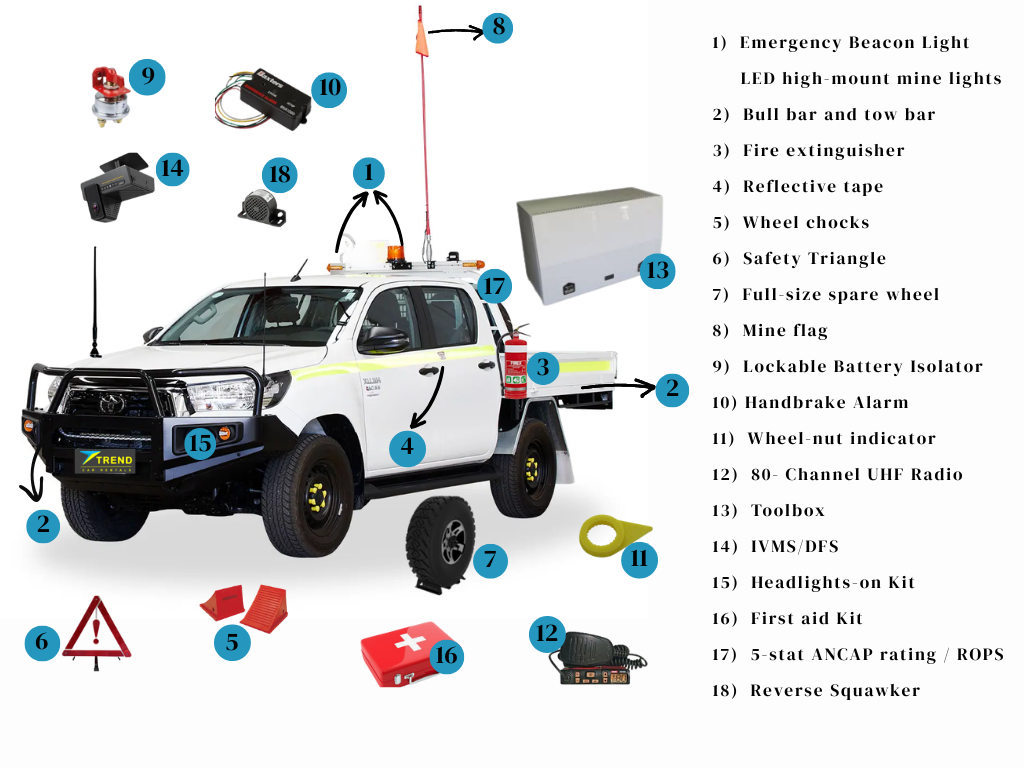
Overlooking fit-out costs can lead to project delays and cash flow issues. Accurate budgeting:
- Prevents unforeseen expenditures
- Ensures compliance with safety and health regulations
- Enables ROI forecasting
- Helps secure financing or leasing arrangements
A detailed budget becomes a roadmap that keeps your project on track.
3. Key Elements of Vehicle Fit-Out Costs
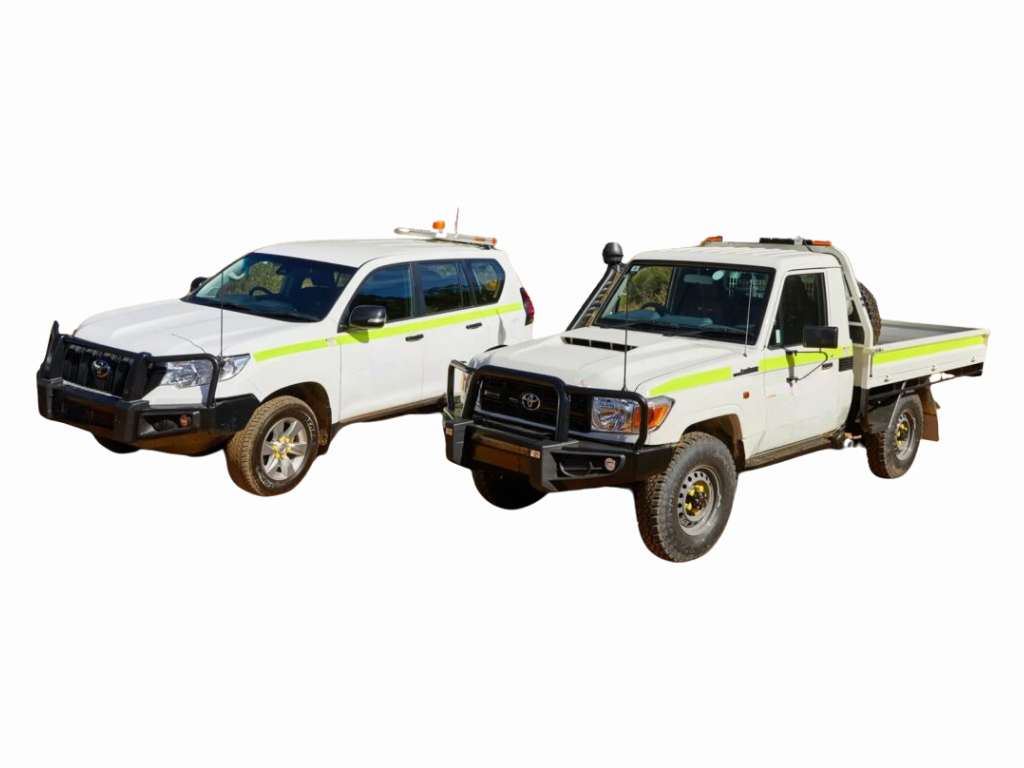
3.1. Base Vehicle Cost
Before any fit-out, you need a vehicle:
- New vs. Used: New vans cost more upfront but often have lower maintenance and longer life. Used vehicles are more affordable but may need more repairs.
- Size & Make: Larger vehicles cost more to purchase and fit out.
- Condition: Vehicles with existing modifications will affect your budget differently.
Estimated cost range:
- Used vans: $15,000–$40,000
- New vans: $40,000–$80,000+
- Specialty vehicles (e.g., refrigerated trucks): $80,000+
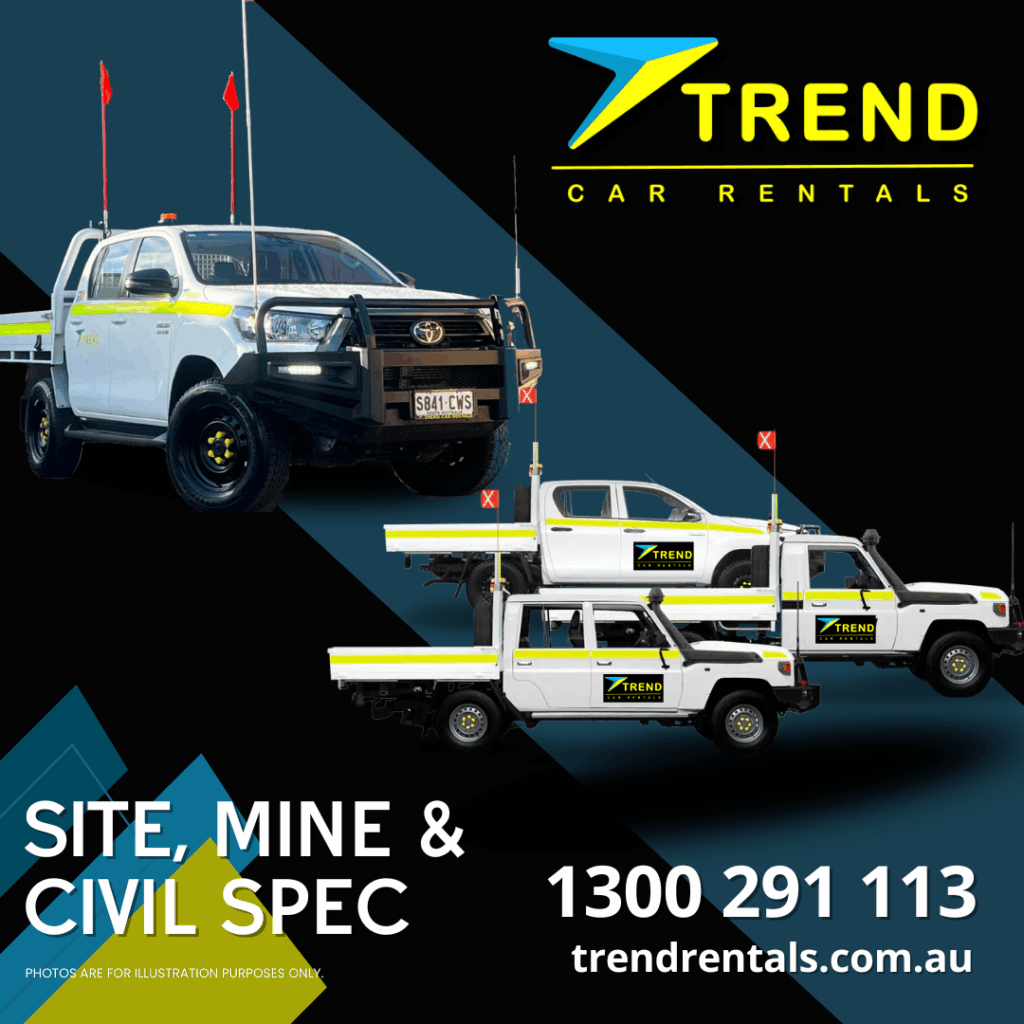
👉 For leasing options on business vehicles, see: Commercial Vehicle Hire with Trend Rentals
3.2. Design & Planning Fees
Professional design services ensure your fit-out makes the best use of space and meets all operational needs.
Common costs include:
- Initial design consultation: $500–$2,000
- 3D modeling and revisions: $1,000–$3,000
- Engineering certification (if required): $1,000–$4,000
Professional design prevents costly rework and wasted materials.
3.3. Materials and Components
This is often the largest portion of your budget:
a. Shelving & Storage
- Heavy-duty racking: $300–$2,000
- Custom cabinets: $800–$4,000
b. Flooring
- Rubber matting: $200–$800
- Industrial vinyl: $400–$1,500
Durable, non-slip flooring is crucial for safety and maintenance.
c. Electrical Systems
Electric fit-outs may include lighting, outlets, inverters, and batteries.
- Basic lighting and outlets: $300–$1,200
- Solar power systems: $1,000–$5,000
- Battery storage: $500–$3,000
d. HVAC & Ventilation
Keeping the interior comfortable and compliant is especially important in food trucks or mobile clinics.
- Fans and vents: $200–$1,000
- HVAC systems: $1,000–$6,000
3.4. Special Installations
Depending on your business needs, you may require:
a. Plumbing & Water Systems
- Water tanks and pumps: $300–$1,500
- Wastewater systems: $200–$800
Food trucks and mobile salons often need extensive plumbing.
b. Refrigeration & Freezers
For mobile food or medical vehicles:
- Compact refrigerators: $800–$2,000
- Large commercial units: $2,000–$8,000+
c. Equipment Mounts and Fixtures
Every tool or device may need secure mounting:
- Workbenches: $300–$1,500
- Specialized mounts for grinders, compressors, etc.: $150–$1,000+
3.5. Branding, Signage & Aesthetics
First impressions matter.
- Vinyl wraps: $1,500–$5,000
- Custom paint jobs: $2,000–$10,000+
- Interior branding finishes: $500–$2,000
Branding costs vary widely depending on design complexity and size.
3.6. Labour & Installation Charges
Fit-out labour can be charged by the hour or per project:
- Skilled fabricators: $60–$120/hr
- Electricians & plumbers: $80–$150/hr
- Installation packages: $1,500–$10,000+
Labour often represents 30–50% of the total cost. Always get multiple quotes.
3.7. Compliance & Certification
Depending on your industry (e.g., food service, healthcare, mobile retail), you may need:
- Health and safety inspections: $200–$1,000
- Electrical & plumbing certifications: $300–$1,500
- Industry-specific audits
Failing to budget for this can stall your launch.
4. Hidden Costs to Watch For
Some expenses are easy to overlook:
4.1. Vehicle Modifications
Cutting doors, adding windows or reinforced structures could cost extra.
4.2. Permits & Licensing
Business and operating permits vary by location and industry.
4.3. Insurance Adjustments
Fit-outs can affect insurance premiums.
4.4. Downtime Costs
If your business depends on the vehicle for revenue, each day it’s out of operation costs money.
4.5. Replacement & Repairs
Budget for future upgrades or wear-and-tear repairs.
5. Examples of Fit-Out Cost Scenarios
To ground this in real terms, here are some ballpark scenarios:
Scenario A: Simple Service Van
Use case: Mobile technician vehicle
Features: Shelving, basic electrical, branding
Estimated total: $8,000–$15,000
Breakdown:
- Shelves & flooring: $3,000
- Electrical: $1,200
- Branding: $1,800
- Labour: $4,000
Scenario B: Food Truck
Use case: Full mobile food service
Features: Cooking equipment, HVAC, plumbing, power, branding
Estimated total: $30,000–$100,000+
Breakdown:
- Kitchen equipment: $15,000
- Electrical & power systems: $10,000
- Plumbing & HVAC: $8,000
- Branding: $5,000
- Labour & permits: $15,000
Scenario C: Mobile Retail Boutique
Use case: On-the-go fashion pop-up
Features: Display racks, lighting, refrigeration (optional), POS setup
Estimated total: $10,000–$40,000
Breakdown:
- Fixtures & displays: $5,000
- Lighting & electrical: $3,000
- Flooring & décor: $4,000
- Branding: $4,000
- Labour & compliance: $7,000
6. How to Forecast Your Budget
6.1. Start With a Needs Assessment
List all required features and “nice-to-have” upgrades separately.
6.2. Request Multiple Quotes
Get at least three quotes for each major component to compare.
6.3. Include a Contingency
Always add 10–20% contingency for unexpected expenses.
6.4. Track Costs in a Spreadsheet
Use a professional budget tracker to stay organised.
7. Ways to Reduce Fit-Out Costs
7.1. Prioritise Essentials
Begin with mission-critical features. Add optional upgrades later.
7.2. Choose Modular Components
Modular shelving and plug-and-play electrical systems minimise custom work.
7.3. Lease Equipment
For short projects, leasing power tools or refrigeration units can be cheaper. Check out: Equipment Hire for Mobile Operations
7.4. Do Some Work In-House
If you have basic carpentry skills, you can save on labour by prepping parts yourself.
8. Financing Your Fit-Out
Fit-outs aren’t free, but several financing options exist:
- Small business loans
- Vehicle financing with fit-out packages
- Leases with included build-outs
- Government grants for mobile business initiatives
Ask your financiers to include fit-out costs in your loan application to avoid out-of-pocket upfront expenses.

9. Case Studies: Real Operators and Their Budgets
9.1. Local Coffee Van: Budget Stretch Success
A startup barista van owner allocated more upfront budget to quality equipment and branding. The result? Faster ROI and better customer engagement.
- Initial budget: $35,000
- Actual spend: $33,500
- Revenue in first year: $120,000+
9.2. Trade Service Vehicle: Underestimated Costs
A mobile carpenter underestimated electrical and lighting needs. Mid-project costs increased by 18%.
- Initial budget: $10,000
- Actual spend: $12,600
- Lesson: Always account for final-mile customisations
10. Post-Fit-Out Considerations
10.1. Maintenance Planning
Routine checks prevent costly breakdowns. Schedule:
- Monthly cleanouts
- Quarterly electrical inspections
- Annual compliance reviews
10.2. Performance Tracking
Monitor how fit-out assets impact efficiency:
- Fuel consumption
- Workflow times
- Customer satisfaction
Use this data to plan future upgrades.
11. Trends in Vehicle Fit-Outs
11.1. Sustainable Materials
Eco-friendly flooring and recycled cabinetry are growing trends.
11.2. Smart Tech Integration
IoT tracking for inventory and remote diagnostics enhance productivity.
11.3. Modular & Flexible Spaces
Operators want fit-outs that adapt to changing business needs.
12. Final Checklist: Budgeting for Your Fit-Out
Before signing contracts or making purchases, run through this checklist:
✅ Base vehicle price and condition
✅ Design & planning fees
✅ Material, equipment, and component costs
✅ Labour and installation quotes
✅ Compliance and permit expenses
✅ Cost contingencies (10–20%)
✅ Financing plan with repayment forecasts
✅ Insurance adjustments
✅ Future maintenance budgeting
Conclusion
Understanding site-spec vehicle fit-out costs is not just about knowing how much you’ll spend—it’s about planning for operational success. With clear budgeting, realistic forecasts, and smart resource allocation, you can transform any vehicle into a productive and income-generating mobile asset.
From base vehicle selection to final branding touches, each cost component matters. Use this guide alongside the linked resources from Trend Rentals to build a fit-out budget that’s comprehensive, scalable, and profitable.
Ready to take the next step? Start planning your fit-out today by exploring our tools and services designed for mobile business success.