
Major infrastructure projects — from highways and rail corridors to mining hubs, renewable energy farms and urban development — define Australia’s economic growth and regional connectivity. These projects require extensive planning, diverse workforces, and highly efficient logistics. One essential yet often overlooked element in project success is car rental fleet support. Rental vehicles provide flexibility, scalability, and cost savings across all stages of infrastructure development.
In this detailed guide, we’ll explore how car rental fleets support major infrastructure projects across Australia, the key benefits they deliver, how they solve common logistical challenges, and why businesses increasingly rely on solutions offered by providers like Trend Rentals.
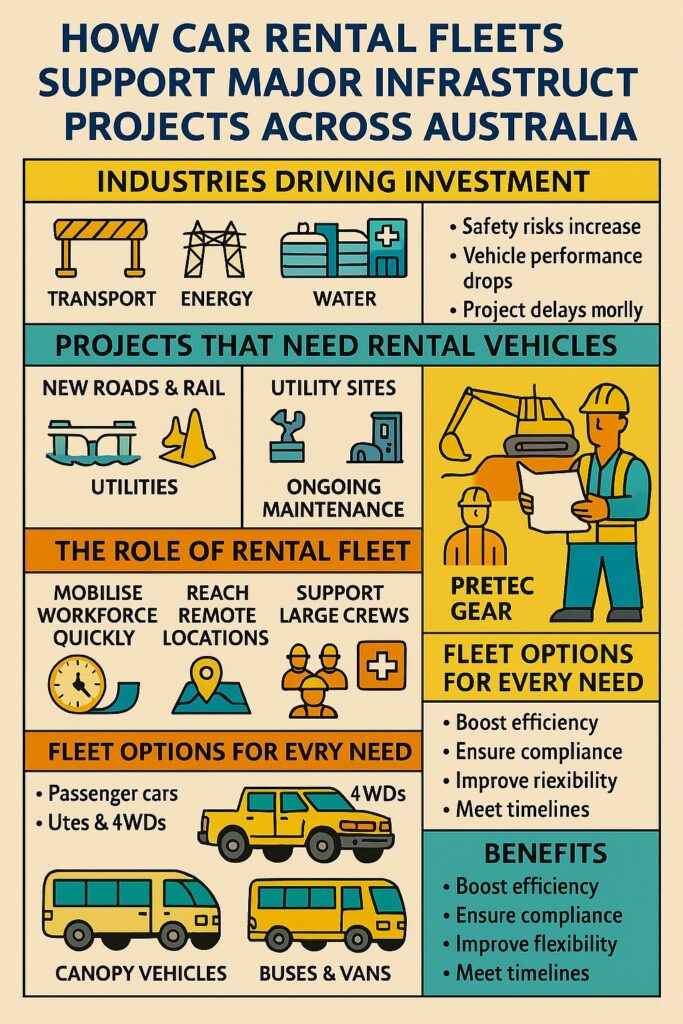
1. The Role of Car Rental Fleets in Infrastructure Projects
1.1 Workforce Mobility and Flexibility
Large infrastructure projects often involve:
- FIFO (Fly-In Fly-Out) and DIDO (Drive-In Drive-Out) workers
- Multiple subcontractors
- Specialist crews rotating through remote and urban sites
Reliable transport is critical for crew mobility. Car rental fleets provide:
- Transport from airports to accommodation or sites
- Daily travel between camp, site, and meetings
- Quick access vehicles for inspectors and managers
Rather than relying on personal vehicles or costly owned fleets, projects save time and money through flexible rentals tailored to workforce schedules.

1.2 Logistics and Project Efficiency
Infrastructure projects depend on seamless logistics. Rental fleets support:
- Site supervision travel
- Material deliveries requiring passenger vehicles
- Vehicle availability during peak workloads
Car rental fleets buffer against downtime caused by breakdowns or maintenance, ensuring continuity in site operations.
1.3 Supporting Remote and Regional Access
Many infrastructure projects are in remote or regional areas where public transport is limited or non-existent. Rental fleets bring:
- Accessibility for specialists without transport
- Reliable crews movement across dispersed sites
- Reduced dependence on local transport services
2. Scalability: Matching Fleet Size to Project Needs
One major advantage of rental fleets is scalability. Projects can shift rapidly — workforce sizes grow, new phases begin, or peak periods arise. Permanent fleet ownership may:
- Tie up capital
- Create maintenance overheads
- Require long-term depreciation management
Instead, rental fleets let you scale up or down depending on:
- Project life cycle stage
- Seasonal workforce changes
- Business demands
This agility is especially valuable when:
- Project scopes expand unexpectedly
- New subcontractors are onboarded
- Teams rotate seasonal schedules
👉 Discover flexible vehicle solutions for dynamic project demands: Short-Term Vehicle Hire Solutions

3. Cost Savings and Budget Control
3.1 Lower Capital Expenditure
Owning a fleet is a significant investment. Rentals remove:
- Large upfront purchase costs
- Capital tied up in depreciating assets
- Long-term financing pressures
With rental fleets, costs become predictable operating expenses. This improves:
- Budget forecasting
- Cost allocation to project phases
- Financial transparency for stakeholders

3.2 Reduced Maintenance and Administration
Owned fleets require:
- Scheduled servicing
- Parts procurement
- Dedicated fleet managers
- Administrative tracking
By outsourcing fleet needs through rentals, infrastructure projects mitigate:
- Administrative burdens
- Unplanned repair costs
- Insurance renewals and storage requirements
Rental providers often handle maintenance and roadside support, allowing your team to focus on project delivery.
3.3 Avoiding Depreciation Losses
Vehicles depreciate quickly, especially with high kilometre use across rugged job sites. Rental fleets remove this concern — the provider absorbs the depreciation risk.
4. Enhancing Safety and Compliance
4.1 Meeting Site Safety Standards
Major infrastructure projects have strict health and safety requirements. This includes:
- Regular vehicle inspections
- Seatbelt and restraint compliance
- Vehicle fit-for-purpose checks
Rental providers like Trend Rentals maintain vehicles to industry safety standards, ensuring:
- Compliance with site access criteria
- Regular servicing and defect checks
- Reduced risk of non-compliance penalties

4.2 Standardised Fleet Reporting and Documentation
Rental fleets come with established records:
- Service histories
- Safety checks
- Maintenance logs
Having documented evidence of vehicle compliance helps during audits and promotes safer project environments.
5. Real-World Applications: How Infrastructure Projects Use Rental Fleets
5.1 Transport for Project Managers and Specialists
Project leads, quality assurance personnel, and engineers need dependable transport for:
- Site walkthroughs
- Stakeholder meetings
- Adjacent project coordination
Rental fleets ensure:
- High availability of vehicles
- Professional image for visiting clients or regulators
- No dependency on personal cars

5.2 Crew Rotation and FIFO Support
Remote infrastructure projects often rely on FIFO crews. Rental fleets facilitate:
- Airport pickups and drop-offs
- Short-term vehicle assignments
- Accommodation-to-site transport
5.3 Temporary Fleet Augmentation
During critical project windows — such as procurement surges or regulatory inspections — having a readily accessible rental fleet reduces:
- Delays from vehicle shortages
- Overworking a limited owned fleet
- Pressure on internal logistics
6. Types of Vehicles Used in Infrastructure Support
Different project roles demand different vehicle types — and rental fleets provide diversity without complexity.
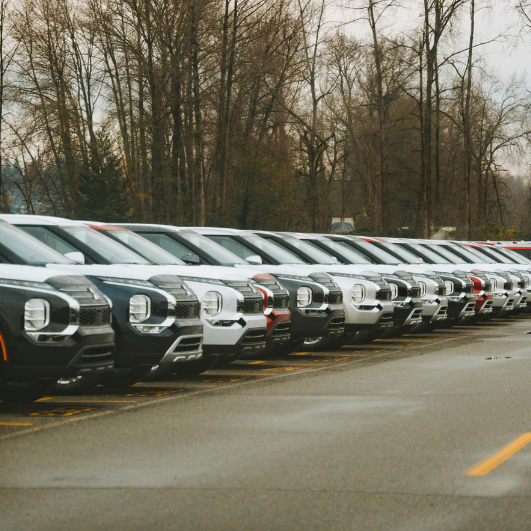
6.1 Passenger Vehicles and People Movers
For:
- Transporting small teams
- Site meetings
- Executive travel
8-seat vans and SUVs offer:
- Comfort
- Flexibility
- Cost-efficient group transport
Explore benefits: Benefits of Hiring an 8-Seater Van in Australia
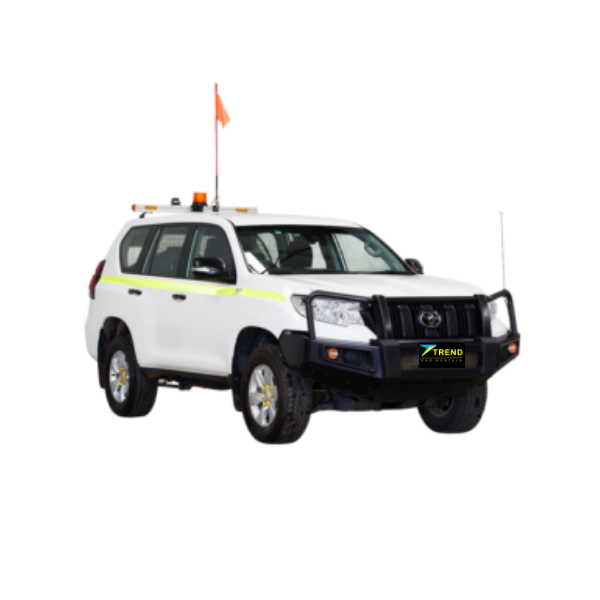
6.2 4WD and Off-Road Vehicles
For rugged terrain, construction zones, and undeveloped access roads:
- 4WDs provide traction and durability
- Mine spec 4WDs meet site compliance
- Suspension and clearance suited for remote regions
📌 Learn about mine spec hire here: Flexible Mine-Spec Rentals for FIFO Operations
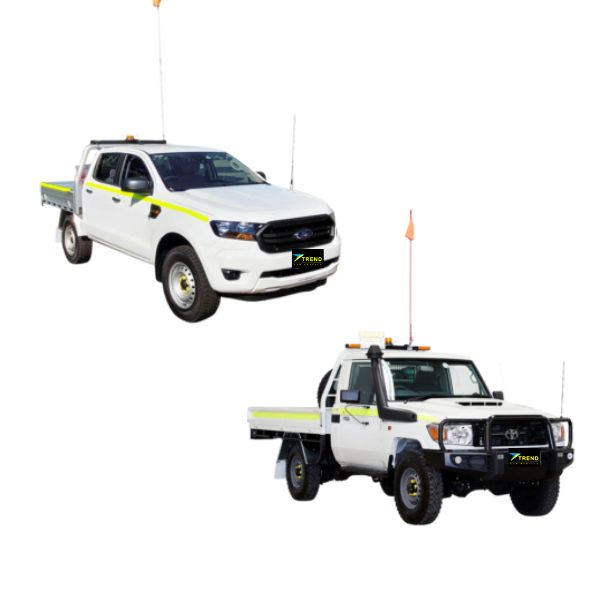
6.3 Utes and Cargo Vans
For transport of tools, materials, and small equipment:
- Utes provide open cargo support
- Cargo vans protect equipment from weather
- Efficient for logistics across sites
7. Reducing Project Risk with Rental Fleets
Infrastructure projects carry inherent risks — but tactical fleet decisions can minimise them.
7.1 Avoiding Delays Due to Vehicle Downtime
Breakdowns in owned fleets can stop work:
- Scheduling conflicts
- Remote servicing barriers
- Spare parts delay
Rental fleets cushion projects from:
- Long repair lead times
- Lack of backup vehicles
- Administrative issues
7.2 Adaptability to Changing Project Needs
Major projects often evolve:
- New phases
- Extended timelines
- Shifting workforce sizes
Car rental fleets adjust without:
- Capital commitments
- Fleet disposal hassles
- Redundant assets
8. Integration with Project Planning Tools
Modern infrastructure projects use digital tools — fleet data should integrate smoothly.
8.1 Telematics and Tracking
Rental vehicles can be fitted with:
- GPS tracking
- Usage reporting
- Maintenance alerts
This data can sync with:
- Workforce allocation systems
- Logistical planning tools
- Job site dashboards
8.2 Cost Reporting and Forecasting
Rental invoices and usage reports support:
- Budget tracking
- Forecasting spend against milestones
- Resource allocation reports
9. Environmental & Sustainability Considerations
Car rental fleets support sustainability goals by offering:
- Newer, lower-emission models
- Hybrids and EV alternatives
- Flexible fleet optimisation to avoid wasteful over-ownership
Projects with green mandates can choose vehicles that align with standards without committing to long-term purchases.
10. Best Practices for Using Rental Fleets in Infrastructure Projects
To maximise value, project teams should:
10.1 Forecast Vehicle Needs Early
Include vehicle planning in early project phases:
- Align fleet size with project stages
- Budget for peak requirements
- Integrate rental schedules with crew rosters
10.2 Build Flexible Agreements
Choose rental agreements with:
- Flexible extensions
- Easy returns
- Scalable vehicle counts
This reduces administrative friction when plans change.
10.3 Maintain Clear Communication
Create protocols for:
- Vehicle assignment
- Damage reporting
- Maintenance requests
Clear internal processes streamline rental interactions.
10.4 Monitor Usage and Adjust
Regularly review:
- Fleet utilisation rates
- Vehicle types needed
- Cost per kilometre
This supports smarter budgeting and eliminates unnecessary hires.
11. Case Studies: Real Infrastructure Project Support
11.1 Major Highway Upgrade Project in Queensland
A multi-stage highway upgrade required:
- Transport for engineers
- FIFO shuttles for out-of-town crews
- Logistics for materials coordinators
By using rental fleets:
- Travel coordination improved
- Costs stayed within budget
- On-site inspections were reliable
11.2 Renewable Energy Farm Construction in South Australia
This regional project used car rental fleets to:
- Move specialist workers
- Provide mobility for site leads
- Ensure backup vehicles during heavy weather
12. Addressing Common Concerns About Rental Fleets
12.1 Cost Perception vs Actual Value
Many teams assume rentals cost more — but when considering:
- Maintenance savings
- No depreciation
- No storage costs
- Reduced downtime
Rental fleets often deliver lower total cost of ownership on project-specific timelines.
12.2 Compliance and Safety Worries
Reputable rental providers maintain vehicles to strict standards and can supply:
- Regular inspection reports
- Compliance documents for site access
This simplifies site entry approvals and avoids administrative gaps.
13. How Trend Rentals Enhances Infrastructure Mobility
Trend Rentals provides tailored vehicle solutions across Australia, offering:
- Short-term and long-term hire options
- 4WD, passenger vehicles, people movers, and utes
- Nationwide pickup and drop-off options
- Compliance-ready fleets for mine sites and construction zones
Their flexible approach means infrastructure projects can:
- Scale fleets with project demands
- Reduce logistics overhead
- Improve workforce mobility
- Maintain safety and compliance
14. Future of Infrastructure Mobility and Rental Fleets
As infrastructure projects grow in scale and complexity, car rental fleets will continue to play a strategic role. Emerging trends include:
- Fleet electrification
- Telematics-driven optimisation
- AI-powered logistics support
Rental fleets will enable projects to stay agile and future-ready.
Conclusion
Car rental fleets are indispensable to major infrastructure projects across Australia. From workforce mobility and logistics to cost management, safety compliance and scalability, rental solutions bring unmatched value to dynamic project environments.
Whether you’re overseeing remote site builds, managing FIFO schedules, or coordinating specialists across regional hubs, the right vehicle fleet strategy — supported by a trusted partner like Trend Rentals — can transform project outcomes.