When managing a fleet for complex projects in Australia, knowing the difference between mine spec vs civil spec vehicles isn’t optional — it’s essential. The right specification affects safety, compliance, operational cost and site access, whether you’re planning mining operations in the Pilbara or civil infrastructure builds near major cities.
This comprehensive guide explains everything you need to know:
- What mine spec and civil spec vehicles are
- Key differences and compliance requirements
- Safety features and operational use cases
- Cost implications and fleet planning
- How to choose the right spec for your project
1. What Are Mine Spec and Civil Spec Vehicles?
1.1 Mine Spec Vehicles
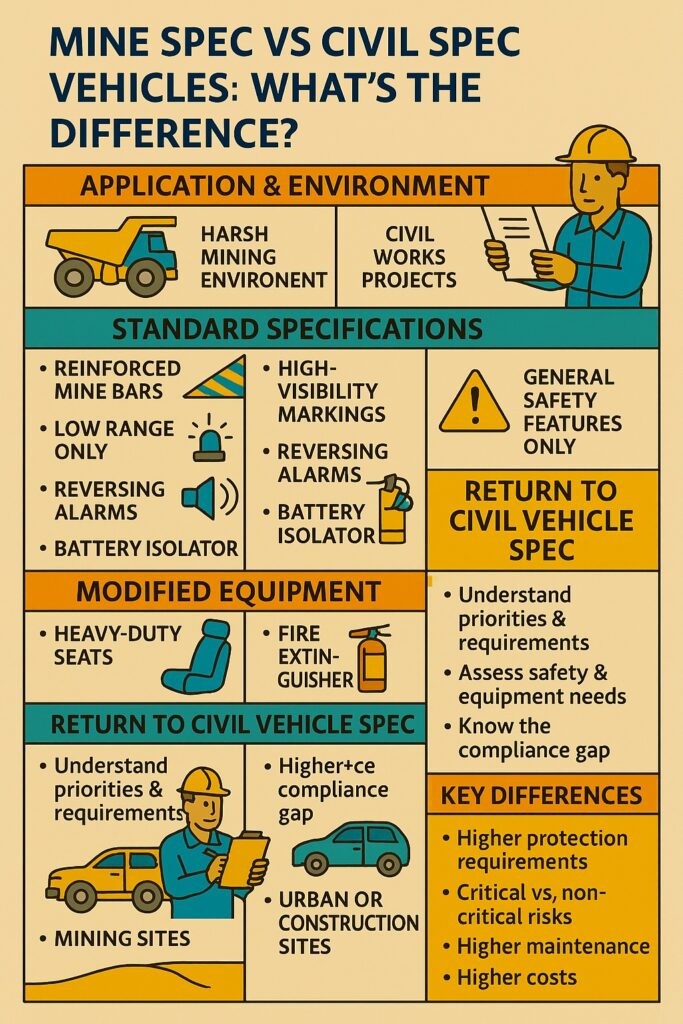
Mine specification vehicles, or mine spec vehicles, are designed and outfitted to meet the stringent safety and compliance requirements of mining environments. These requirements are often mandated by major resource companies and mining standards across Australia.
Mine spec standards emphasise:
- Rollover protection and structural integrity
- Heavy-duty electrical and mechanical systems
- Enhanced safety gear (fire suppression, first aid kits, signage)
- Compliance with site-specific audit criteria
The end goal is to ensure vehicles can operate safely in rugged mine sites, protect occupants, and satisfy regulatory and client-led audits.
Explore how mine spec vehicles support FIFO operations:
👉 Mine-Spec Vehicle Hire for FIFO Workers: What You Need to Know
1.2 Civil Spec Vehicles
Civil spec vehicles, on the other hand, are designed for civil construction and infrastructure environments — such as roadworks, building sites, utilities projects, and general construction work.
Civil spec standards prioritise:
- Robustness for construction site conditions
- Load carrying and stability for tools and materials
- Site visibility and job-site safety features
- Basic protective equipment
These vehicles still adhere to safety standards but usually do not require the extra compliance gear that mine spec vehicles do.
2. Why the Distinction Matters
Choosing the wrong spec can result in:
- Site entry refusal — particularly at mine sites
- Safety non-compliance penalties
- Costly retrofits or modifications
- Disruption to operations
Understanding where each spec fits gives fleet managers confidence and ensures projects stay on schedule and in compliance with site rules.
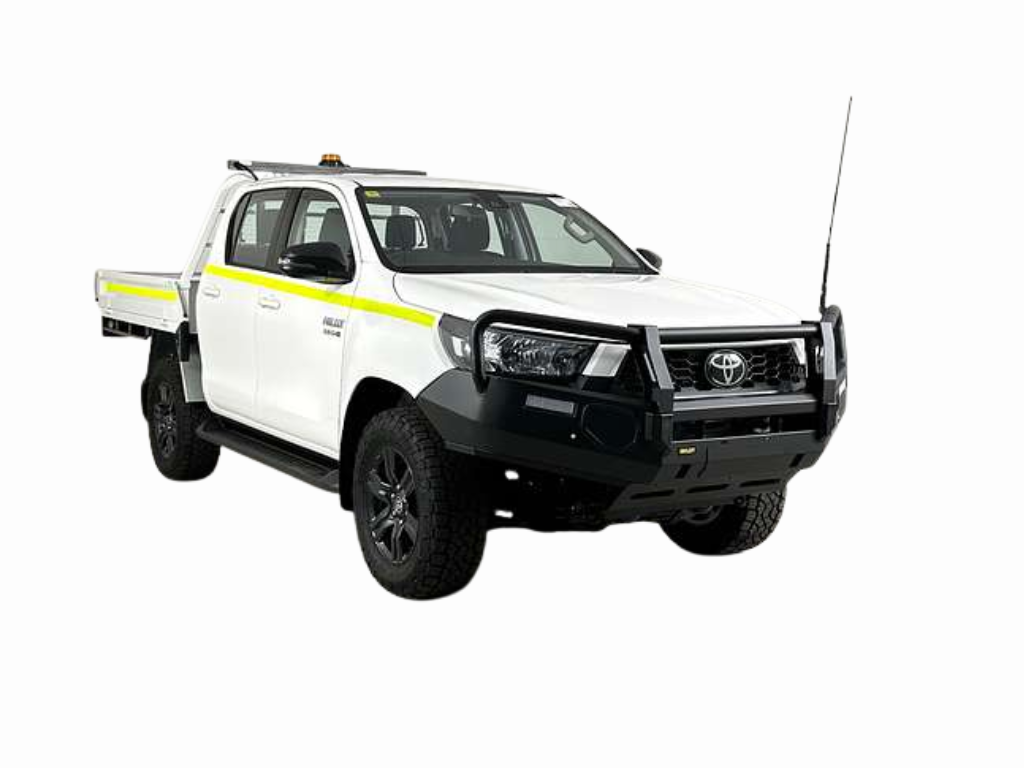
3. Safety Requirements: Mine Spec vs Civil Spec
One of the biggest differences between mine spec and civil spec vehicles lies in safety requirements. While both aim to protect operators and occupants, mine spec has additional layers.
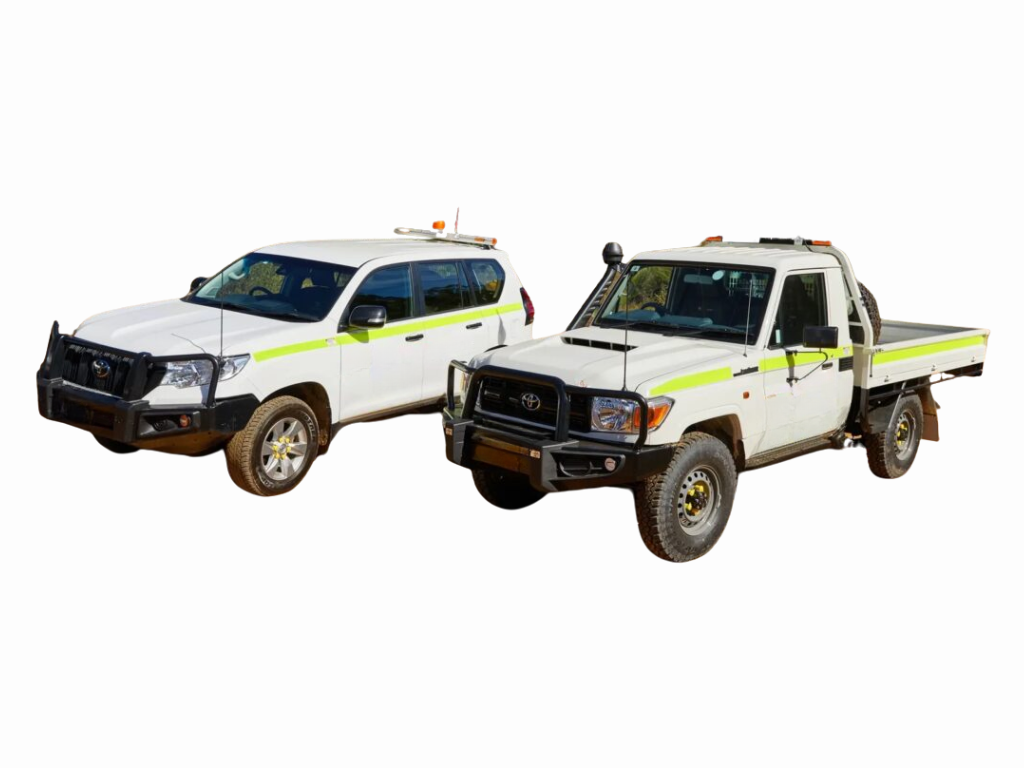
3.1 Roll-Over Protection and Structural Integrity
Mine Spec:
- Reinforced cabin structures
- Roll-over protection systems (ROPS)
- Strengthened chassis and underbody protection
Civil Spec:
- Standard OEM safety features
- Firewalls and protective covers
- Enhanced brackets for tool storage
- May include aftermarket safety equipment
3.2 Fire Suppression & Emergency Gear
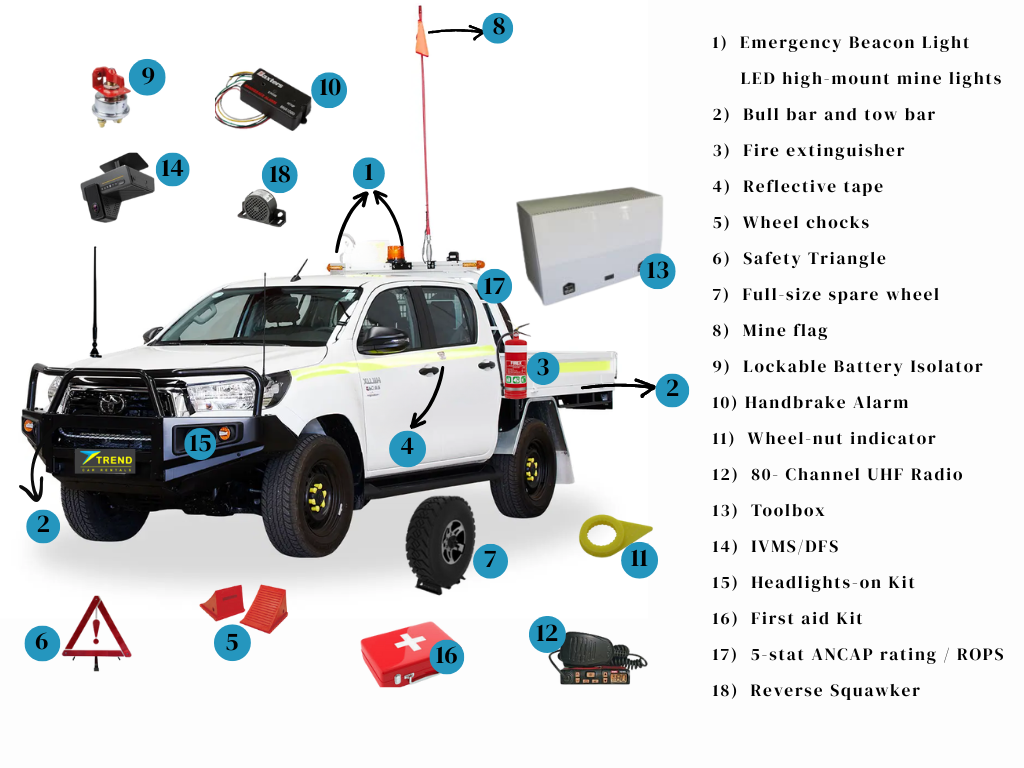
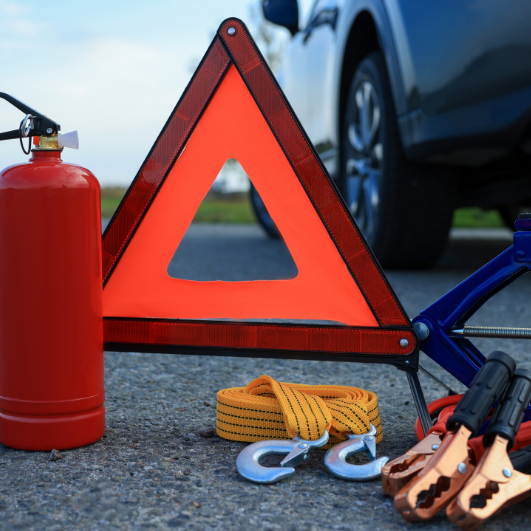
Mine spec vehicles typically carry:
- On-board fire extinguishers that meet specified ratings
- Emergency kits with defined contents
- Reflective marking and signage
- Battery isolation switches
Civil spec vehicles may carry basic safety gear but generally do not require fire suppression systems unless specified by the site or project.
3.3 Seating & Restraints
Mine spec protocols may require:
- High-visibility seating arrangements
- Specific restraint systems for all occupants
- Regular inspection logs
Civil spec vehicles conform to general road and site safety standards but don’t typically mandate specialised seating requirements beyond standard compliance.
4. Compliance Documentation & Audits
4.1 Mine Vehicle Compliance Audits
Mine spec vehicles often face formal compliance audits before site access is granted. These audits check:
- Safety equipment is installed correctly
- Maintenance records are up to date
- Modifications have engineering sign-off
- Site-specific requirements are met
Failing a mine audit can delay your project and cost both time and money.
Learn how to prepare vehicles for audits:
👉 How to Pass a Mine Site Vehicle Audit First Time
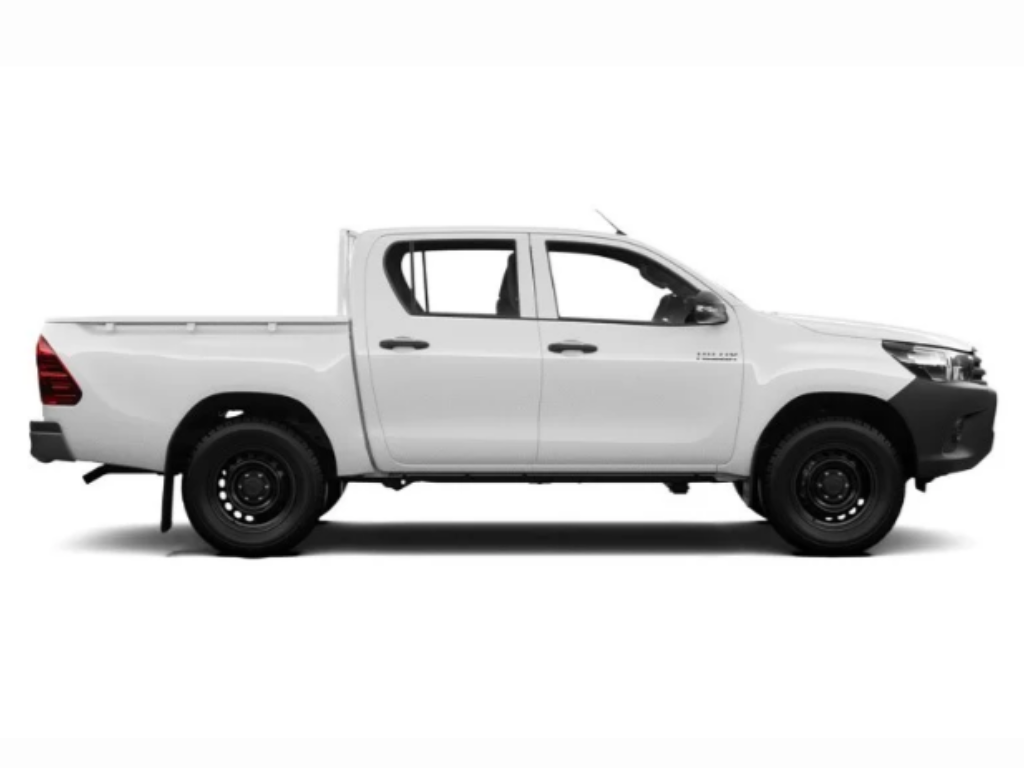
4.2 Civil Site Checks
Civil construction projects usually require site inductions and general safety checks, which may include vehicle condition. However, they rarely mandate the same level of certified audit compliance that mining sites do.
Civil spec compliance focuses on:
- Vehicle condition
- Load restraint safety
- Operator licenses
- General site safety inductions
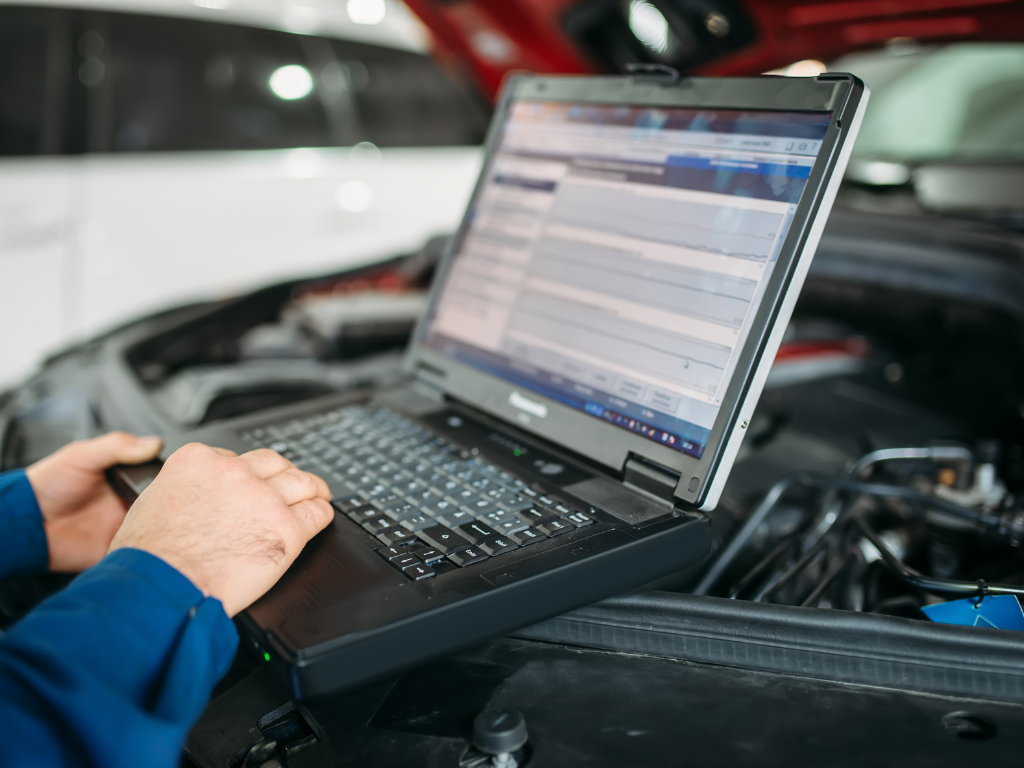
5. Terrain, Usage & Operational Context
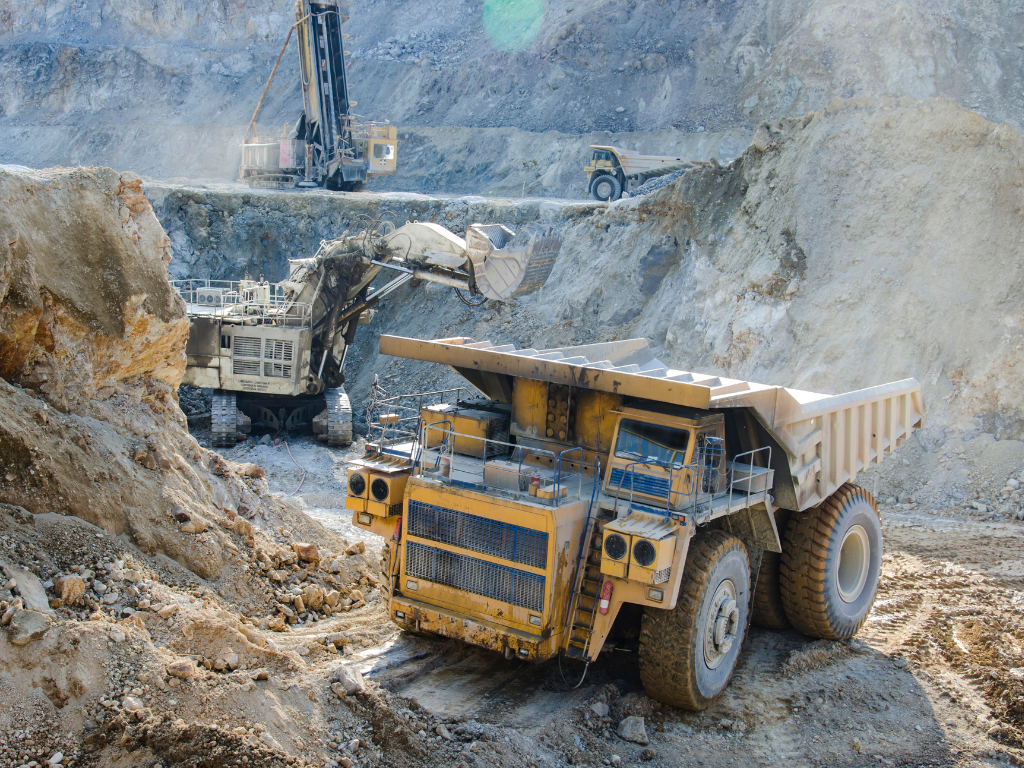
5.1 Mine Site Conditions
Mine environments feature:
- Heavy machinery movement
- Uneven and unsealed terrain
- Remote locations
- Long travel distances
Thus mine spec vehicles need enhanced suspension, robust tyres and heavy-duty cooling systems.
5.2 Civil Project Conditions
Civil sites vary widely:
- Urban infrastructure
- Roadworks
- Residential and commercial sites
- Mixed terrain
Civil spec vehicles are designed to be robust but do not always encounter the extreme conditions seen in mining environments.
6. Typical Vehicle Types in Each Spec
Both mine spec and civil spec fleets use similar base vehicle types — but their configurations differ.
6.1 SUVs & 4WDs
Mine Spec:
- Heavy-duty 4WDs with upgraded suspension
- Compliance equipment installed
- Often diesel engines for torque and efficiency
Civil Spec:
- Standard 4WDs or AWD vehicles
- Optional rack systems for tools
- May not include heavy-duty enhancements
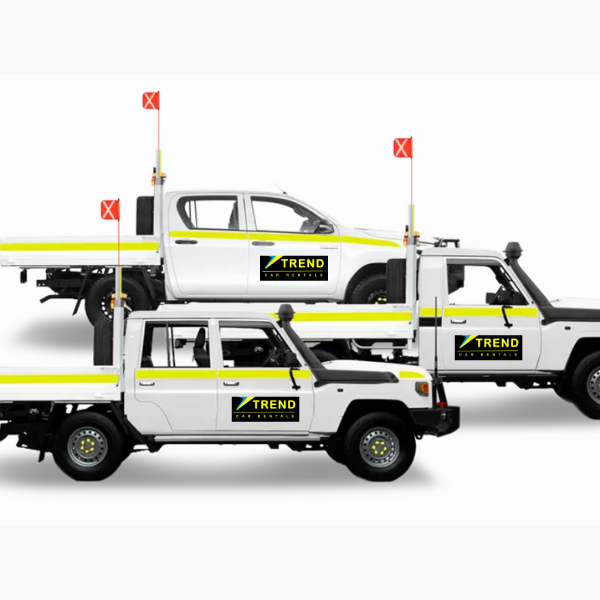
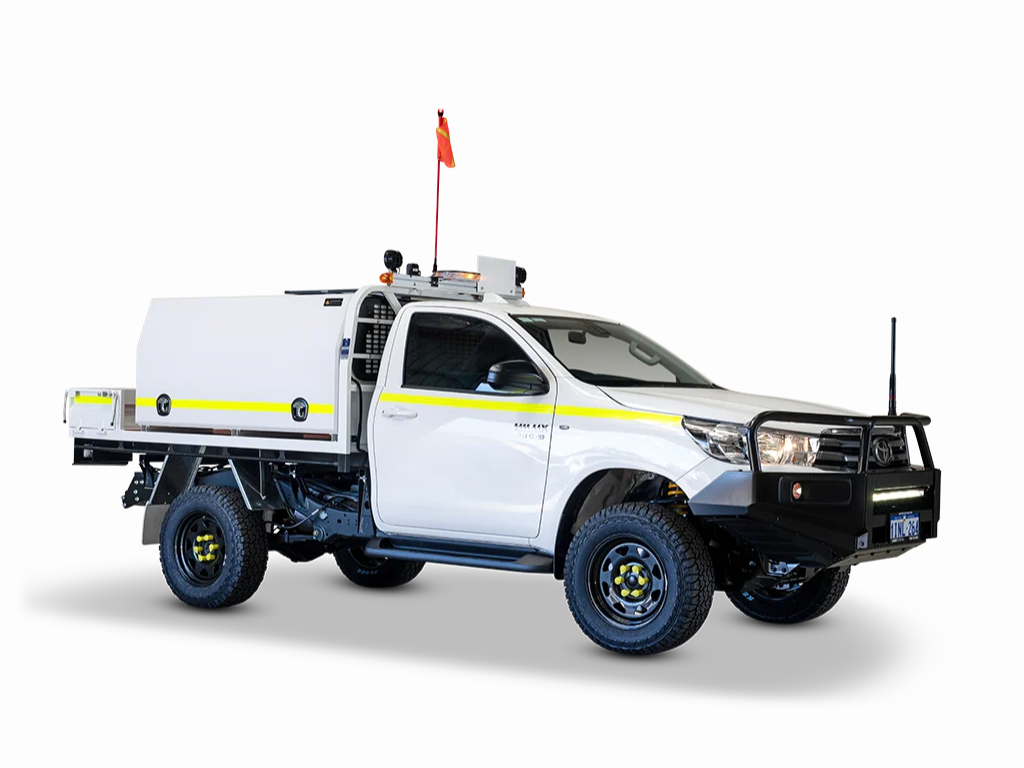
6.2 Utes & Dual Cab Vehicles
Mine Spec:
- Reinforced trays
- Safe tool storage locks
- Site-required safety signage
Civil Spec:
- Toolbox and ladder rack fittings
- Flat trays for construction materials
- Light-duty suspension for urban transport
6.3 People Movers & Passenger Vehicles
Mine and civil projects often need transport for teams or visitors. Both specs may be used, but mine spec passenger vehicles carry extra compliance checks.
Explore people mover hire options:
👉 Benefits of Hiring an 8-Seater Van in Australia
7. Equipment & Fit-Out Differences
7.1 Safety Gear & Signage
Mine spec vehicles often include:
- Fire extinguishers with rated compliance
- Battery isolation switches
- Emergency response kits
- High-visibility checker striping
- Compliance tags permanently attached
Civil spec vehicles may carry:
- Basic first aid kits
- High-visibility vests
- Toolboxes
- Construction signage
7.2 Load Restraint Systems
Mine spec requires certified load restraint systems that meet industry standards, ensuring materials won’t shift under rough terrain.
Civil spec vehicles use standard tie-downs and straps geared toward construction materials.
8. Cost Implications: Mine Spec vs Civil Spec
8.1 Purchase & Upfit Costs
Mine spec vehicles cost more due to:
- Enhanced safety equipment
- Engineering certifications
- Heavy-duty components
- Compliance documentation
Civil spec vehicles are typically less expensive, with basic safety and operational gear.
Understanding costs helps in budget forecasting and fleet planning.

8.2 Maintenance & Lifespan
Mine environments cause faster wear on:
- Suspensions
- Tyres
- Cooling systems
This means higher maintenance costs over time.
Civil spec vehicles in lighter conditions usually experience lower maintenance frequency.
9. When To Choose Each Specification
9.1 Choose Mine Spec When:
✔ Working on mining or resource sites
✔ Site mandates compliance audits
✔ Long off-road travel is required
✔ Heavy-duty safety equipment is mandatory
✔ Remote or hazardous environments
9.2 Choose Civil Spec When:
✔ Projects are in urban or construction zones
✔ Site access rules don’t require mining compliance
✔ General commercial transport is needed
✔ Light to moderate off-road travel is expected
✔ Cost control is a priority
10. Fleet Hire & Flexibility: How Rental Solves Spec Challenges
Matching your fleet to project demands can be costly if buying outright. Rental fleet solutions offer flexibility.
Whether you need mine spec vehicles for a short engagement or civil spec fleets for urban builds, Trend Rentals provides options to suit your operational needs — without the long-term commitment of ownership.
Trend Rentals offers:
- Audit-ready mine spec vehicles
- Civil-spec configurations for construction projects
- Short and long-term hire options
- Nationwide pickup & delivery
11. Real-World Use Cases: Mine vs Civil Spec
11.1 Resource Exploration in WA’s Pilbara
A mining contractor required vehicles that:
- Pass mine site compliance audits
- Handle remote tracks and harsh terrain
- Support FIFO personnel and safety gear
Mine spec 4WDs were essential, with heavy-duty components and certified safety kits.
11.2 Civil Roadworks in Victoria
A state roadworks project needed vehicles for:
- Site inspections
- Contractor mobility
- Tool transport
Civil spec dual cabs and SUVs delivered flexibility with lower costs.
12. Common Compliance Questions Answered
12.1 Do All Mine Sites Require Mine Spec Vehicles?
Not always — but most major resource companies do. Site rules vary, so always confirm requirements in advance.
12.2 Can a Civil Spec Vehicle Be Upgraded to Mine Spec?
Yes — with engineering approvals, additional safety gear, and compliance documentation.
Rental fleets often offer pre-configured mine spec vehicles.
12.3 Are Mine Spec Vehicles Road Legal?
Yes — they must still meet all roadworthiness standards. Mine spec designations are additional safety layers, not replacements for road compliance.
13. Preparing Your Fleet for Site Access
Regardless of spec, being audit and site-ready means:
✔ Up-to-date safety equipment
✔ Complete inspection logs
✔ Load restraint systems certified
✔ Maintenance schedules adhered
✔ Operator inductions and licensing verified
Learn how to pass vehicle audits:
👉 How to Pass a Mine Site Vehicle Audit First Time
14. Tips for Successful Fleet Management
14.1 Regular Inspections
Daily pre-trip checks and weekly detailed inspections reduce risk of non-compliance.
14.2 Digital Recordkeeping
Use fleet management software for maintenance logs and compliance documents.
14.3 Operator Training
Ensure all drivers understand site requirements and vehicle limitations.
14.4 Plan by Project Phase
Match vehicle spec and hire durations to project timelines.
15. Mine Spec & Civil Spec Vocabulary Cheat Sheet
| Term | Meaning |
|---|---|
| Mine Spec | Vehicles configured to meet mine site safety & compliance rules |
| Civil Spec | Vehicles suited to general construction & infrastructure work |
| Load Restraint | Certified systems to secure cargo |
| Rollover Protection | Structural reinforcement for occupant safety |
| Audit Ready | Vehicles prepared with documentation & compliance gear |
16. Future Trends: Fleet Specs & Industry Standards
Emerging trends include:
- Telematics for compliance tracking
- Electrification in civil fleets
- Hybrid mine spec vehicles
- Advanced safety systems (collision avoidance, cameras)
Keeping up-to-date ensures your fleet stays compliant and future-proof.
Conclusion: Choosing the Right Vehicle Spec for Your Project
Understanding the nuanced differences between mine spec vs civil spec vehicles helps fleet managers and site operators make informed decisions — saving time, money and headaches.
Whether you’re planning operations in remote mining regions or overseeing civil construction near urban centres, knowing the right specification ensures:
✔ Safety standards are met
✔ Compliance is achieved before site access
✔ Operational efficiency is maximised
✔ Budget and maintenance costs are optimised
And if you need flexible, compliant vehicles without the capital outlay, Trend Rentals offers tailored solutions for both mine spec and civil spec needs.