Why compliance matters, what can go wrong, and how to protect your operation in 2026 and beyond
Mining projects are complex, high-risk, and heavily regulated. From remote exploration sites to busy processing hubs, the machinery and vehicles you operate must be safe, reliable and compliant with legal guidelines. Yet, many organisations underestimate one critical risk: the danger of hiring non-compliant vehicles.
In this guide, we’ll unpack the hidden risks associated with non-compliant vehicles in mining environments — including safety, legal exposure, financial loss, project delays and reputation damage. We’ll also provide best practices to keep your fleet compliant and efficient.
Whether you’re a project manager, safety officer, or procurement specialist, this blog will help you make better decisions about vehicle selection and compliance strategy.
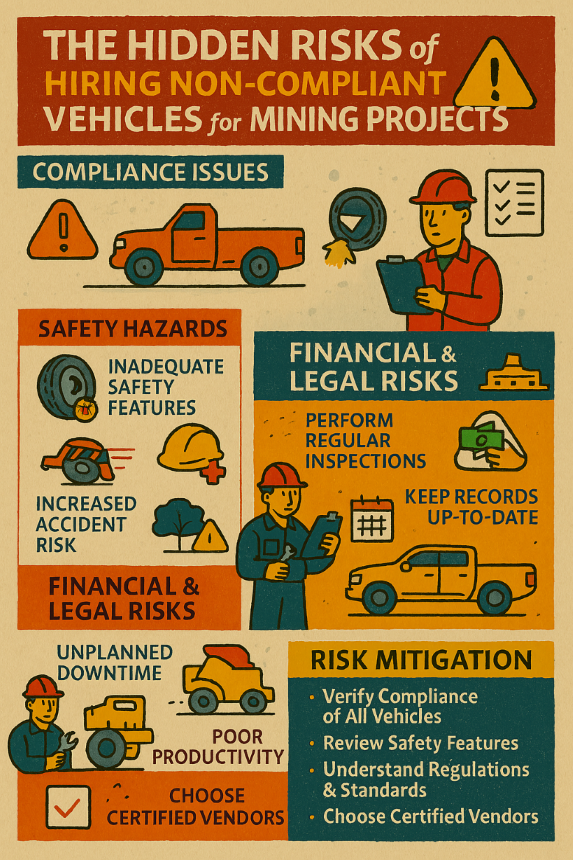
What Does “Vehicle Compliance” Mean in Mining?
At its core, vehicle compliance refers to meeting all applicable safety, regulatory, and performance standards required in a given work environment — in this case, mining sites.
This includes:
- Regulatory compliance (state and national legislation)
- Safety certification and inspection standards
- Maintenance and service documentation
- Operator competency and licensing
- Fit-for-purpose specifications
Mining requires vehicles that are rugged, well-maintained and suitable for harsh conditions. Non-compliance isn’t just a paperwork issue — it’s a significant operational risk.
Why Non-Compliance Happens: Misconceptions & Shortcuts
Even experienced teams sometimes hire non-compliant vehicles due to:
Misconception #1: “All Hire Vehicles Are Automatically Compliant”
Not all hire fleets are maintained or documented to mining standards. Just because a vehicle looks roadworthy doesn’t mean it meets site-specific requirements.
Shortcut #2: “Cost Savings Justify Lower Standards”
Pressure to reduce upfront costs can lead organisations to prioritise price over compliance — but this often leads to higher long-term costs and risks.
Gap #3: Poor Documentation Practices
Some operations lack centralised tracking of inspections, servicing, and certifications, leading to uncertainty about compliance status.
The Hidden Risks of Non-Compliant Vehicles
Here are the key risks mining projects face when using non-compliant vehicles — risks that often go unseen until a serious incident occurs.
1. Serious Safety Hazards
Safety is the most important reason to prioritise compliance.
Non-compliant vehicles often:
- Lack up-to-date safety checks
- Miss required modifications (e.g., ROPS, FOPS, seatbelts)
- Fail to meet braking or servicing standards
- Show poor performance under load
The result? Increased likelihood of accidents, injuries or equipment failures.
A mining site is unforgiving — and a vehicle failure can mean not just property damage, but serious harm to personnel.
2. Regulatory & Legal Exposure
Government agencies and mining regulators enforce strict rules around vehicle standards and operator competency.
Using non-compliant vehicles can lead to:
- Heavy fines
- Prosecution
- Stop-work orders
- Project shutdowns
In the legal world, “I didn’t know” is not a valid defence — especially when documentation is missing.
3. Insurance Lapses & Liability Gaps
Insurance companies may refuse coverage if:
- Vehicles were not compliant
- Inspections are missing
- Non-standard modifications were made
In the event of an incident, you could be left personally liable for medical costs, property damage, and legal settlements.

4. Project Delays & Cost Overruns
Mining projects operate on tight schedules. A breakdown, inspection failure, or compliance stop-work order can:
- Delay critical tasks
- Impact supply logistics
- Increase equipment rental costs
- Harm productivity
The cascading effect of delays often exceeds initial savings from non-compliant hires.

5. Reputation Damage
Damage to your brand doesn’t stay contained to one site.
Mining contractors and mining companies work in tight networks. Complaints, fines or poor safety records can lead to:
- Loss of future contracts
- Lower tender scores
- Reputation hits in industry circles
Trust matters when governments and major mining houses evaluate bids.
Real-World Scenarios: What Can Go Wrong
To illustrate the real impact, let’s explore specific scenarios where non-compliance leads to serious problems.
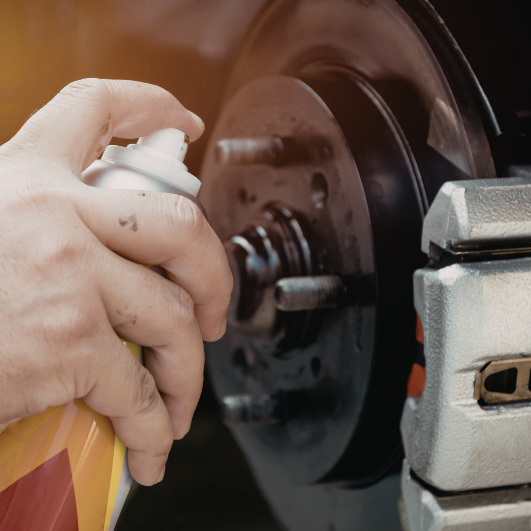
Scenario 1: Unverified Brake System on Rough Terrain
A utility vehicle with inadequate braking performance is brought onto site without proper inspection certificates.
Result:
- Vehicle fails under load on a decline
- Minor collision occurs
- Investigation reveals no current compliance checks
- Mine authority issues a $50,000 fine
- The operation is suspended for 24 hours
This is the kind of outcome that is expensive and preventable.

Scenario 2: No Documentation for Flammable Load Rack
A site hires a service body truck for transporting flammable materials.
However, there’s no evidence of proper ROPS, fire suppression system certification or related documentation.
Result:
- Safety stakeholders refuse to allow the vehicle on site
- Project is delayed while replacements are sourced
- Extra costs are incurred due to idle labour and rescheduling

Scenario 3: Non-Compliant Operator Licence
A mine site operator is found driving a heavy-duty vehicle without the required licence class.
Result:
- Person is removed from duty and issued a fine
- Vehicle is quarantined until verification is complete
- Site morale takes a hit due to uncertainty around compliance processes
Compliance isn’t just about the vehicle — it’s about the person operating it.

Common Compliance Gaps in Vehicle Hiring
Understanding where gaps occur helps you fix them before issues arise.
📌 Missing or Outdated Inspection Certificates
Vehicles must be inspected at specific intervals — often more frequently in mining than on public roads.
📌 Incomplete Maintenance Records
Without documented servicing history, you can’t prove the vehicle is safe and compliant.
📌 Incorrect or Missing Safety Modifications
Mining sites often require specific equipment features — such as FOPS, ROPS, safety lights or fire suppression systems.
📌 Lack of Operator Competency Verification
Even if the vehicle is compliant, the operator must be qualified and licensed.
How to Avoid Hiring Non-Compliant Vehicles
To protect your operation, use a structured compliance strategy.
1. Set Clear Vehicle Compliance Standards
Before you hire, define exactly what compliance means for your site:
- Required certifications
- Inspection schedules
- Safety features
- Environmental standards
This becomes your baseline for all procurement decisions.
2. **Use Reputable Suppliers with Compliance Support
One of the best ways to avoid risk is to work with suppliers who understand mining requirements.
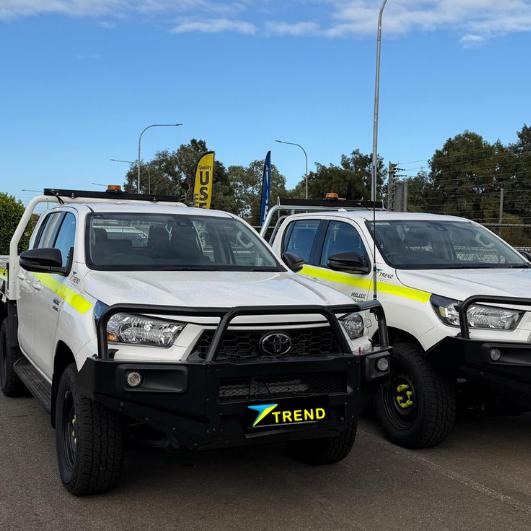
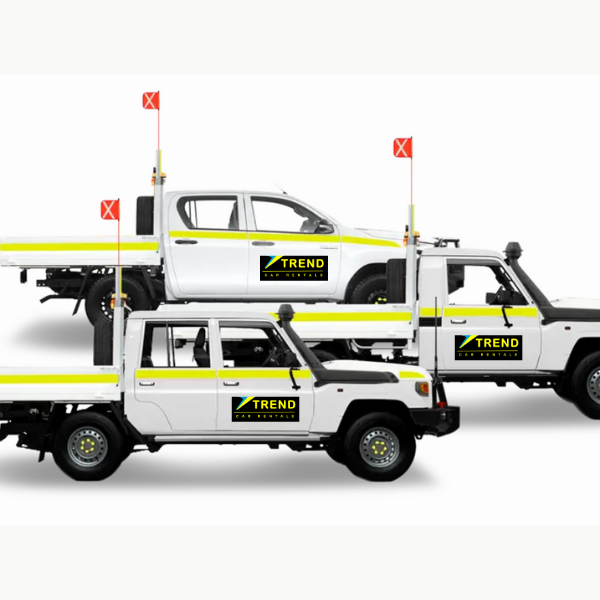
At Trend Rentals, we provide vehicles that are:
✔ Serviced to manufacturer standards
✔ Accompanied by current compliance documentation
✔ Maintained with traceable inspection logs
✔ Suitable for tough environments
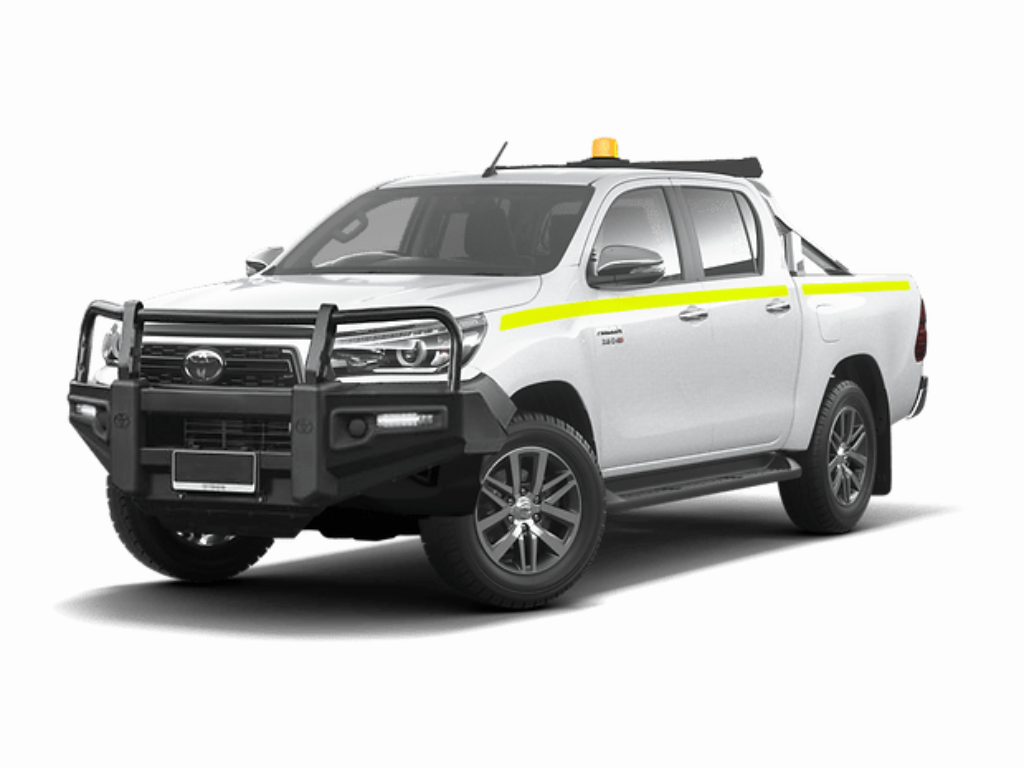
See our range of mine spec vehicles.
3. Verify Documentation on Every Hire
Don’t just assume compliance — verify it:
- Review inspection reports
- Check service histories
- Confirm operator competency records
- Cross-reference certifications with site requirements
This safeguards you before the vehicle ever arrives.
4. Centralise Compliance Records
Keep all vehicle compliance documents in a shared system or audit folder. This makes it easy to:
- Produce records during audits
- Track renewal dates
- Identify gaps before they become problems
5. Conduct Pre-Use Inspections
Even when documentation is provided, always perform a pre-use check:
- Lights, brakes, tyres
- Safety features
- Load restraints
- Operator controls
This acts as a final safeguard before the machine enters active duty.
6. Train Your Team on Compliance Obligations
Everyone needs to know:
- What compliance means
- Where to find required documentation
- How to log inspections
- Who is responsible for what
A culture of compliance avoids guesswork and confusion.
The Financial Impact You Might Not See
Failing to hire compliant vehicles doesn’t just risk fines — it can hit your bottom line in hidden ways:
🎯 Increased Insurance Premiums
Claims made due to non-compliant vehicles can dramatically raise your future premiums.
🎯 Efficiency Losses
Breakdowns and delays cost labour hours and reduce productivity.
🎯 Equipment Write-Offs
Non-compliant vehicles break down more often, increasing replacement costs.
🎯 Stakeholder Confidence
Clients, regulators and partners prefer working with compliant operators — which directly impacts future contract opportunities.
Case Study: Compliance Success in a Mining Project
The Challenge
A Tier 2 contractor needed to rapidly scale its fleet for a new brownfield mining project — including utes, light trucks and service vehicles.
The Risk
Some vehicles offered by local suppliers lacked current inspection certificates and documented servicing history.
The Solution
The contractor partnered with Trend Rentals to source compliant vehicles with full documentation. They:
- Verified service logs
- Confirmed all safety modifications
- Centralised documentation
- Trained site teams on inspection protocols
The Outcome
✔ Zero safety incidents
✔ Project delivered on schedule
✔ Excellent audit outcomes
✔ Strengthened client relationship
This demonstrates how prioritising compliance directly supports project success.
The Compliance Checklist: Vehicles for Mining Sites
Use this list to ensure every vehicle you hire meets rigorous standards:
- Current Inspection Certificate?
- Up-to-Date Maintenance Logs?
- Safety Features Installed & Operational?
- Operator Competency Verified?
- Environmental & Emissions Standards Met?
- Documentation Centralised & Accessible?
- Pre-Use Inspection Completed?
If any answer is “no” — pause and resolve before use.
Why Trend Rentals Makes Compliance Easier
At Trend Rentals, we understand that vehicle compliance is non-negotiable — especially for mining projects.
🔹 Compliant Fleet Standards
Our vehicles are serviced, inspected and documented to meet high-risk worksite expectations.
🔹 Documentation Support
We provide inspection forms, maintenance certificates and safety tags with every hire.
🔹 Flexible Rental Solutions
Short-term, long-term and site-specific packages let you scale safely and efficiently.
🔹 Expert Support
Our team can advise on selecting vehicles that meet your project’s unique compliance requirements.
Find compliant vehicles that protect your operation.
Future Trends in Compliance You Need to Know
As mining regulations evolve, stay ahead with:
Digital Inspection Logs
Moving from paper to digital systems increases transparency and audit readiness.
Telematics & Remote Monitoring
Real-time data can track performance, schedule maintenance, and reduce downtime.
Green & Low-Emission Vehicles
Expect greater emphasis on emissions and sustainability policies in compliance reviews.
Automated Alerts & Dashboards
Smart systems will flag non-compliance before it becomes a serious issue.
Final Thoughts: Compliance Is a Strategic Advantage
Hiring compliant vehicles isn’t about following rules — it’s about protecting your people, your timeline and your reputation.
Mining is unforgiving. The consequences of non-compliance are immediate and far-reaching. But with the right suppliers, processes and commitment to best practices, you can reduce risk, improve safety and distinguish your operations.
Protect your fleet. Protect your project. Prioritise compliance.
Need compliant vehicles you can trust?
Explore the Trend Rentals fleet and find equipment with certified documentation ready for your next project: