
A Step-by-Step Guide to Rapidly Deploying Rental Vehicles for Construction and Infrastructure Projects
Major construction and infrastructure projects often move quickly. A contract may be awarded unexpectedly, project timelines may accelerate, or workforce numbers may double overnight. In these situations, contractors must mobilise vehicles fast to ensure supervisors, engineers, and field crews can reach the site safely and efficiently.
Having the right workforce fleet ready within 24–48 hours can determine whether a project begins smoothly or suffers costly delays. For this reason, many companies rely on flexible vehicle hire solutions from providers such as Trend Rentals, which specialise in delivering site-ready utes, SUVs, vans, and mine-spec vehicles to construction and mining operations across Australia.
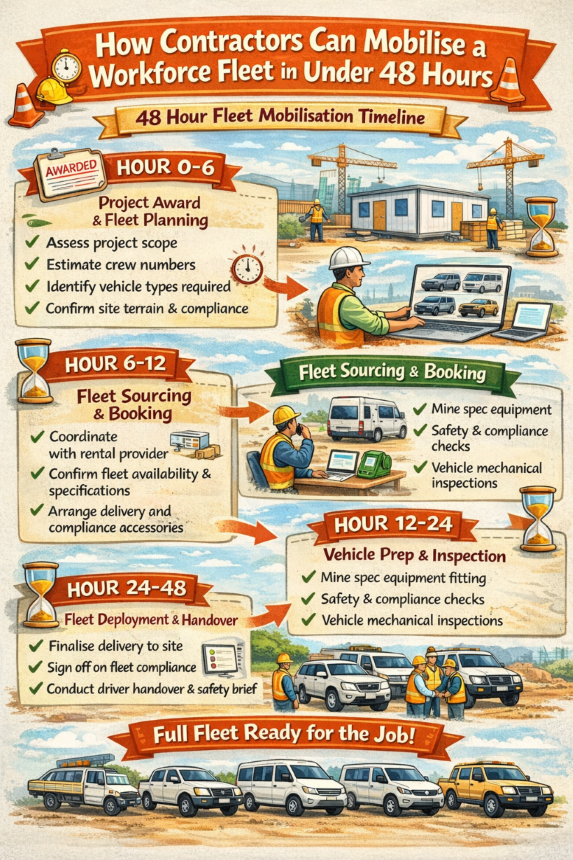
This guide explains exactly how contractors can deploy a workforce fleet in under 48 hours, including the planning steps, vehicle selection strategies, and logistics processes used by experienced project managers.
Why Rapid Fleet Mobilisation Matters in Construction Projects
When a contractor wins a project tender, the first few days are critical. Teams must quickly establish a temporary site office, mobilise staff, and begin early works.
Without a functioning fleet, teams face challenges such as:
- Delayed site inspections
- Reduced workforce productivity
- Inability to transport tools and equipment
- Safety risks in remote environments
Infrastructure and energy projects across Australia increasingly require fast mobilisation of compliant vehicles, especially in remote or regional locations. Rental fleets designed for construction and mining environments help companies avoid delays by providing immediate access to site-ready vehicles.
Instead of waiting weeks to purchase and configure vehicles, contractors can deploy a fleet almost immediately through rental solutions.
Step 1: Assess the Workforce Size and Roles
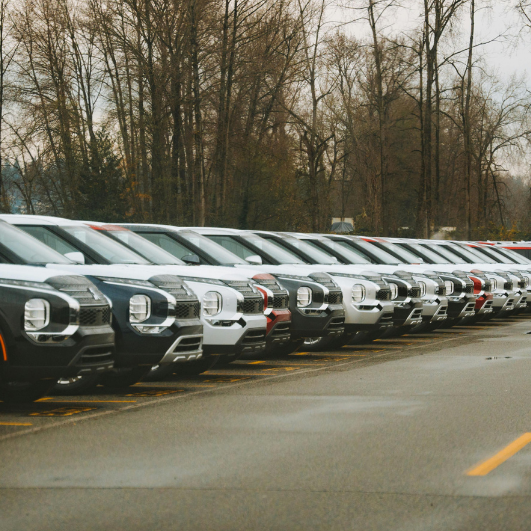
The first step in mobilising a fleet quickly is determining how many workers will arrive on-site during the initial mobilisation phase.
Typical early-stage workforce groups include:
- Project managers
- Site supervisors
- Engineers
- Safety officers
- Environmental consultants
- Logistics staff
Each role requires different vehicle capabilities.
Typical Vehicle Allocation by Role
| Job Role | Vehicle Type |
|---|---|
| Project managers | SUVs |
| Site supervisors | Dual cab utes |
| Engineers | SUVs or utes |
| Safety officers | Mine-spec vehicles |
| Service crews | Vans or tray-back utes |
Understanding these requirements allows contractors to estimate the fleet size quickly.
Example mobilisation for a 30-person workforce:
- 8 dual cab utes
- 3 SUVs
- 2 vans
- 2 mine-spec vehicles
Fleet rental companies maintain large inventories of these vehicles so they can be dispatched rapidly when projects commence.

Step 2: Identify Site Requirements and Compliance Standards
Before vehicles can be deployed to a worksite, they must meet project-specific compliance requirements.
For many mining and infrastructure projects, this includes mine-spec vehicle modifications designed to protect workers in hazardous environments.
Typical mine-spec features include:
- Roll-over protection systems (ROPS)
- Fire extinguishers
- first aid kits
- battery isolators
- safety beacons
- UHF radios
- high-visibility markings
These features ensure vehicles meet strict safety standards and workplace regulations.
Using pre-configured mine-spec vehicles saves contractors significant time because the vehicles are already compliant and ready for site entry.

Step 3: Select the Right Vehicle Mix
Once workforce numbers and compliance requirements are confirmed, contractors must choose the appropriate vehicle types.
Most infrastructure fleets consist of four core vehicle categories.
Dual Cab Utes
Dual cab utes are the backbone of most construction fleets.
Benefits include:
- Off-road capability
- Towing capacity
- Cargo storage
- Seating for multiple workers
These vehicles are ideal for supervisors and field technicians who frequently travel between work zones.
Popular models in construction fleets include:
- Toyota Hilux
- Ford Ranger
- Isuzu D-Max
These vehicles provide a balance between passenger comfort and worksite practicality.
SUVs
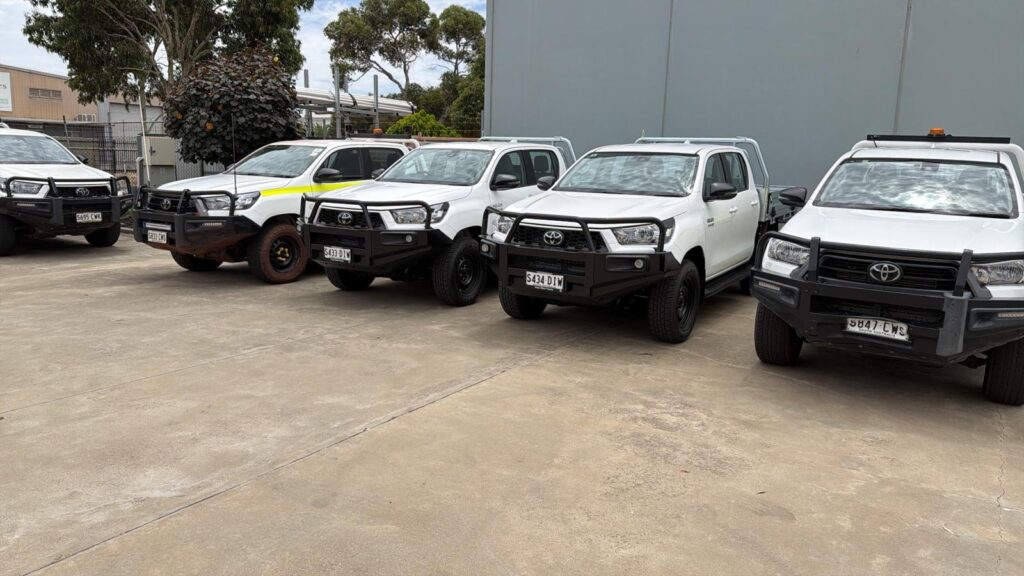
SUVs are typically assigned to project managers and engineers.
Advantages include:
- Comfortable long-distance travel
- Advanced safety systems
- Large cargo areas for equipment
SUVs are particularly useful for projects where staff must travel frequently between city offices and remote work sites.

Commercial Vans
Vans serve as mobile workshops for many contractors.
Common uses include:
- Electrical service vehicles
- Mechanical support units
- Equipment transport
They offer large cargo areas and secure storage for tools.
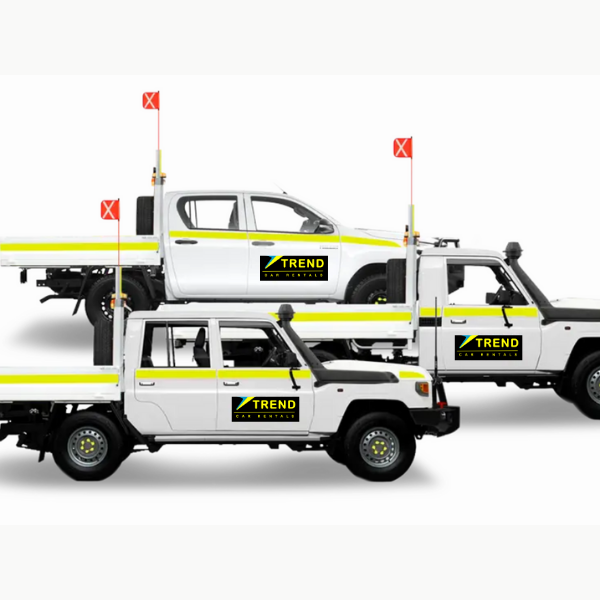
Mine-Spec Vehicles
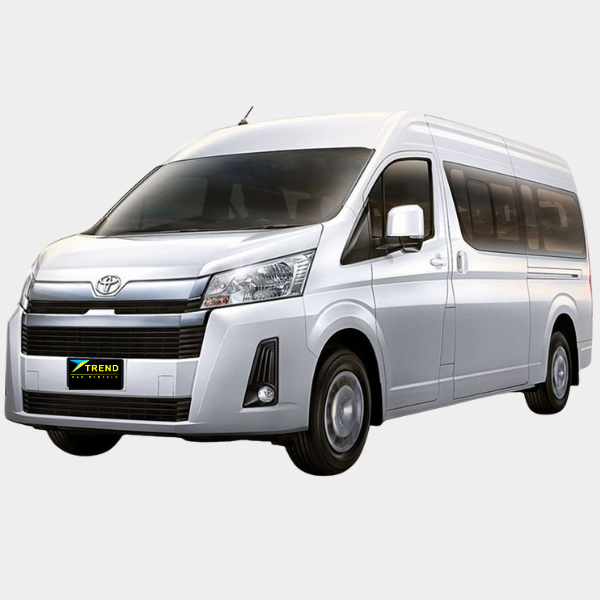
Projects operating in mining regions or remote infrastructure zones often require mine-spec vehicles equipped with safety features.
These vehicles are specifically designed for rugged environments and strict safety requirements.
By including mine-spec units in the fleet mix, contractors can ensure compliance with site regulations from day one.
Step 4: Partner With a Rapid-Response Fleet Provider
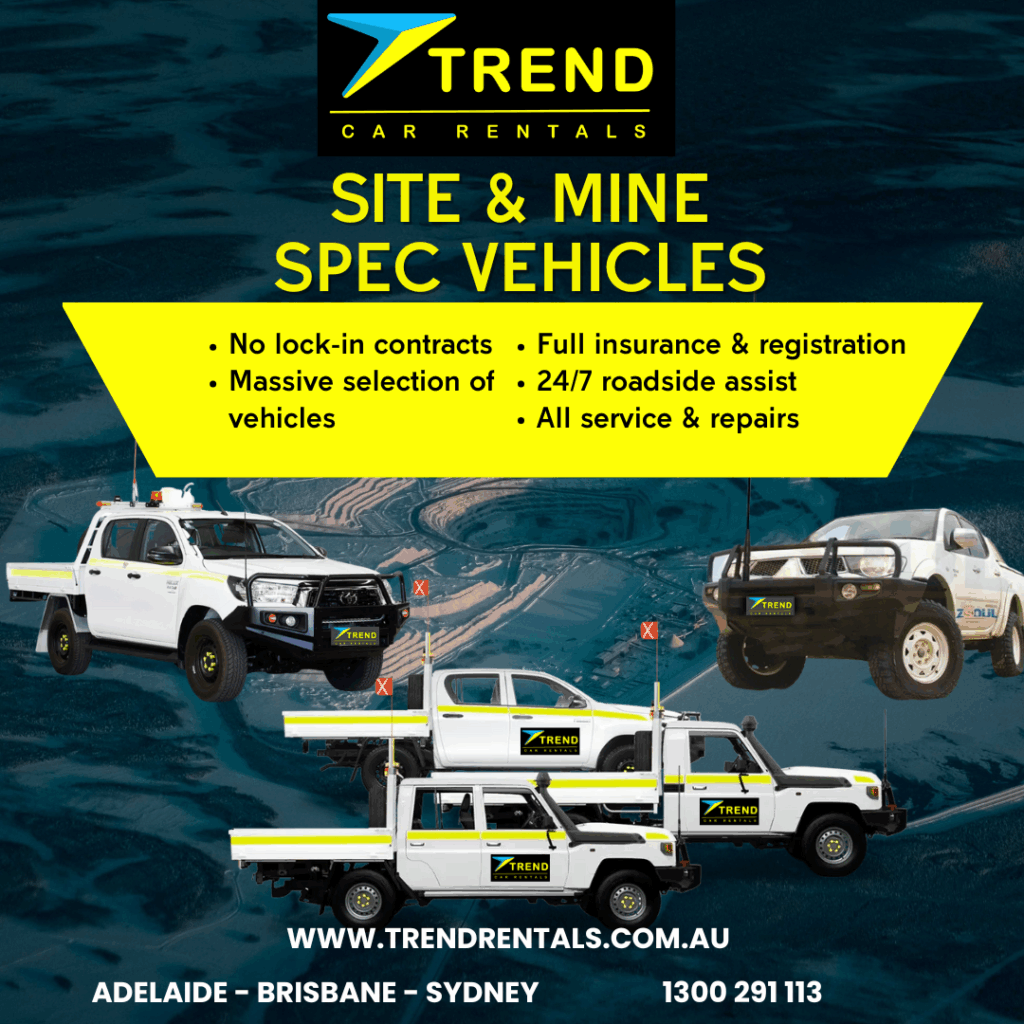
The fastest way to mobilise vehicles is by working with a specialist rental provider that already maintains large, ready-to-deploy fleets.
Companies like Trend Rentals specialise in supplying fleets to:
- construction companies
- mining contractors
- renewable energy projects
- civil infrastructure developments
The benefits of partnering with a fleet provider include:
Immediate Vehicle Availability
Rental providers maintain large vehicle inventories, allowing fleets to be deployed quickly when projects begin.
Preconfigured Worksite Vehicles
Vehicles can be delivered with:
- toolboxes
- roof racks
- tow bars
- safety equipment
- mine-spec modifications
This eliminates time-consuming vehicle modifications.
National Delivery
Fleet providers can transport vehicles directly to project sites across Australia.
This ensures contractors receive vehicles wherever their projects are located.
Step 5: Arrange Fleet Delivery and Site Logistics
Once the fleet is confirmed, logistics planning begins.
This stage includes coordinating:
- vehicle transport
- site access approvals
- fuel arrangements
- driver allocations
Vehicles may be delivered to:
- project offices
- site compounds
- nearby airports
- regional depots
Many fleet providers offer direct site delivery, reducing mobilisation time significantly.
This ensures workers can begin travelling between work zones immediately.

Step 6: Configure Fleet Management Systems
Once vehicles arrive, contractors must implement basic fleet management processes.
These systems help maintain safety and efficiency.
Typical tools include:
GPS Tracking
Allows project managers to monitor vehicle locations and ensure efficient usage.
Driver Safety Monitoring
Helps track:
- speeding
- harsh braking
- driver fatigue
Maintenance Alerts
Ensures vehicles remain safe and compliant throughout the project.
Modern fleet systems can be installed quickly, making them ideal for short-term construction projects.

Step 7: Scale the Fleet as the Project Expands
The first 48 hours typically involve initial workforce mobilisation, but fleet requirements often increase as the project ramps up.
For example:
| Project Phase | Workforce | Fleet Size |
|---|---|---|
| Early mobilisation | 20–40 workers | 10 vehicles |
| Early construction | 50–80 workers | 20 vehicles |
| Peak construction | 100+ workers | 35–50 vehicles |
Rental fleets allow contractors to scale vehicles as needed.
Flexible fleet hire provides a major advantage because vehicles can be added or returned as project requirements change, helping businesses avoid large capital investments.

Example: Mobilising a 25-Vehicle Fleet in 48 Hours
To understand how fast mobilisation works in practice, consider the following example scenario.
Day 1 – Morning
Contractor wins a civil infrastructure project.
Immediate actions:
- confirm workforce size
- identify vehicle types
- contact rental provider
Day 1 – Afternoon
Fleet provider confirms vehicle availability.
Vehicles allocated:
- 12 dual cab utes
- 6 SUVs
- 4 vans
- 3 mine-spec vehicles
Delivery logistics arranged.
Day 2 – Morning
Vehicles transported to the site.
Compliance checks completed.
Drivers assigned.
Day 2 – Afternoon
Fleet operational.
Site supervisors begin inspections and crews begin work.
This rapid mobilisation allows contractors to start projects within days rather than weeks.
Benefits of Using Rental Fleets for Rapid Mobilisation
Many contractors prefer rental fleets because they offer flexibility and cost efficiency.
Key advantages include:
No Upfront Capital Costs
Purchasing a fleet of vehicles requires significant investment.
Rental fleets convert these costs into manageable operating expenses.
Faster Project Start Times
Rental vehicles can often be delivered within days.
Built-In Maintenance
Servicing and repairs are handled by the fleet provider.
Flexible Fleet Sizes
Contractors can scale vehicles up or down as projects evolve.
These benefits make rental fleets ideal for temporary construction and infrastructure projects.
Avoiding Common Fleet Mobilisation Mistakes
Contractors sometimes encounter challenges when mobilising fleets quickly.
Common mistakes include:
Underestimating Vehicle Numbers
Projects often require more vehicles than initially planned.
Ignoring Compliance Requirements
Mine sites and infrastructure projects may require specialised vehicle modifications.
Delayed Vehicle Orders
Waiting too long to secure vehicles can lead to shortages.
Lack of Fleet Management Systems
Without tracking systems, vehicle usage can become inefficient.
Planning early and working with experienced fleet providers helps avoid these issues.
Why Many Contractors Choose Trend Rentals
For contractors operating across Australia, reliable fleet providers are essential.
Companies like Trend Rentals offer advantages including:
- rapid vehicle deployment
- mine-spec compliant fleets
- flexible rental terms
- nationwide delivery
- maintenance and support
These services enable contractors to mobilise fleets quickly while maintaining safety and compliance standards.
Final Thoughts
Winning a construction or infrastructure project often means mobilising teams quickly. Contractors must ensure that workers, supervisors, and engineers have reliable transport from day one.
By following a structured mobilisation process—assessing workforce needs, selecting the right vehicles, partnering with a reliable fleet provider, and organising logistics—companies can deploy a fully operational workforce fleet in under 48 hours.
Flexible rental solutions make this possible by providing immediate access to site-ready vehicles that meet safety and compliance standards. As projects grow, fleets can scale quickly, ensuring workers always have the transport they need to keep operations moving efficiently.
For contractors working on fast-paced infrastructure, mining, or energy projects, rapid fleet mobilisation is not just convenient—it’s a competitive advantage.