Businesses across Australia rely heavily on commercial vehicles to keep operations moving. Whether it’s construction companies needing mine-spec 4WDs, logistics firms requiring delivery vans, or infrastructure contractors deploying workforce fleets, the choice between short-term hire, long-term vehicle hire, or traditional leasing can significantly impact operational costs.
Understanding the commercial vehicle rental cost comparison between these options helps businesses make smarter financial decisions. In many cases, companies are shifting away from ownership and rigid lease contracts toward more flexible rental models.
This guide compares short-term hire, long-term vehicle hire Australia solutions, and traditional fleet leasing, examining which option typically saves businesses the most money.
The Growing Demand for Commercial Vehicle Hire in Australia
Australia’s commercial fleet sector continues to expand as businesses look for more flexible vehicle solutions. The fleet vehicle leasing market in Australia is valued at around $3.6 billion, highlighting the scale of business demand for vehicle financing and fleet solutions.
However, the industry is evolving. Instead of purchasing fleets outright or committing to long-term leases, many businesses are turning to flexible vehicle hire models.
Industries commonly using rental fleets include:
- Construction and infrastructure
- Mining and resources
- Logistics and transport
- Trades and field services
- Government and utilities
- Event and project management
These industries often require rapid scalability and cost predictability, which traditional leasing does not always provide.
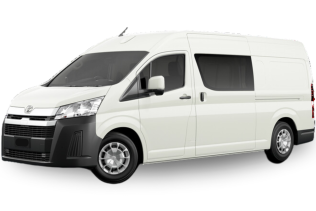
Understanding Short-Term Commercial Vehicle Hire
Short-term commercial vehicle hire usually ranges from one day to several weeks. Businesses typically use this option when they need immediate access to vehicles without long-term commitments.
Common scenarios include:
- Temporary project deployments
- Equipment transport
- Seasonal business demand
- Replacement vehicles during repairs
- Trialing vehicles before committing to longer agreements
Short-term rental offers convenience and speed but often comes with higher daily rates than long-term agreements.
Typical benefits include:
1. Immediate Availability
Vehicles can often be supplied within hours. Businesses working on infrastructure projects or emergency contracts can quickly mobilise a workforce fleet.
2. No Long-Term Commitment
Companies can return vehicles once the job is finished, avoiding long contracts or financial liabilities.
3. Minimal Administration
Rental providers usually handle servicing, insurance, and compliance, allowing businesses to focus on operations rather than fleet management.
4. Flexible Vehicle Choice
Businesses can hire different vehicle types depending on project requirements—such as utes, vans, mine-spec vehicles, or trucks.
If your business only needs vehicles occasionally, short-term hire can be the most cost-effective solution.

When Short-Term Vehicle Hire Makes Financial Sense
Short-term hire works best when vehicle demand fluctuates. Businesses can avoid paying for vehicles during slow periods.
Typical use cases include:
Construction Projects
Construction companies may need additional vehicles only during specific project phases.
Seasonal Business Demand
Retailers and logistics companies often experience spikes during holiday seasons.
Emergency Fleet Replacement
If a vehicle breaks down or is damaged, short-term hire prevents operational disruptions.
However, for companies that require vehicles consistently, daily rental rates may become expensive over time.

What is Long-Term Vehicle Hire?
Long term vehicle hire Australia solutions usually run from one month to several years. Instead of paying daily rental rates, businesses receive discounted monthly pricing.
This model has become increasingly popular among businesses seeking predictable fleet costs without ownership risks.
According to industry rental comparisons, daily rates can fall dramatically when vehicles are hired long-term. For example:
- Short-term hire: around $80–$100 per day
- Long-term hire: roughly $30–$50 per day equivalent depending on vehicle type.
Over several months, this price difference can save companies thousands of dollars.

Benefits of Long-Term Commercial Vehicle Hire
Long-term hire offers a balance between flexibility and affordability.
1. Lower Monthly Costs
Because rental companies reward longer commitments with discounted rates, businesses can significantly reduce operating expenses.
Instead of paying fluctuating daily rental costs, companies receive a fixed monthly payment.
This improves budgeting and financial forecasting.

2. No Large Capital Investment
Buying a fleet requires significant upfront capital. For example:
- Delivery van: around $45,000
- 4WD ute: $55,000–$70,000
- Mine-spec vehicle: $80,000+ after modifications
For a fleet of 10 vehicles, businesses may need $500,000–$700,000 upfront.
Long-term hire eliminates this expense entirely.
Companies can instead invest their capital into:
- Staff
- Equipment
- Marketing
- Project expansion

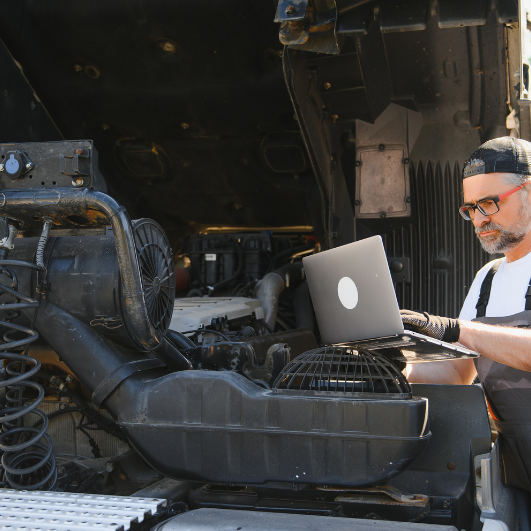
3. Maintenance and Servicing Included
Rental providers usually include:
- Scheduled servicing
- Mechanical repairs
- Registration
- Insurance
- Roadside assistance
This eliminates unexpected repair costs and reduces downtime.
4. Flexible Contract Extensions
If a project extends beyond its expected timeline, rental agreements can typically be extended without complications.
Businesses avoid the challenge of selling vehicles or renegotiating finance contracts.

Understanding Traditional Fleet Leasing
Fleet leasing has long been the standard method for businesses acquiring vehicles.
In a typical leasing arrangement:
- A finance company purchases the vehicle.
- The business pays fixed monthly repayments.
- Lease terms usually range between 2–5 years.
At the end of the lease, businesses may:
- Purchase the vehicle
- Trade it in
- Start a new lease
Leasing can provide predictable costs but often comes with several limitations.

Fleet Leasing vs Rental: Key Differences
When comparing fleet leasing vs rental, the main difference lies in flexibility and financial risk.
| Feature | Short-Term Rental | Long-Term Hire | Fleet Leasing |
|---|---|---|---|
| Contract Length | Days to weeks | Months to years | 2–5 years |
| Upfront Cost | None | None | Often deposit required |
| Maintenance | Included | Included | Often separate |
| Flexibility | Very high | High | Low |
| Vehicle Ownership | None | None | Optional at end |
| Ability to scale fleet | Easy | Easy | Difficult |
This flexibility is one reason many businesses prefer rental solutions.
The Hidden Costs of Fleet Ownership and Leasing
Many businesses underestimate the real cost of owning or leasing vehicles.
Beyond the purchase price or monthly lease payment, additional costs include:
Depreciation
Vehicles lose value quickly.
Typical depreciation rates include:
- 20–30% in the first year
- 10–15% annually thereafter.
Over five years, a $50,000 vehicle could lose more than $25,000 in value.
Maintenance and Repairs
Commercial vehicles require frequent servicing.
Typical costs include:
- Scheduled servicing: $500–$1,000 annually
- Tire replacement
- Brake repairs
- Unexpected mechanical issues.
These costs add up quickly across large fleets.
Insurance and Registration
Businesses must also pay for:
- Commercial insurance
- Registration
- Licensing
Insurance alone may cost $2,500–$5,000 per vehicle annually depending on the vehicle type.
Administrative Costs
Managing a fleet requires staff time and management resources, including:
- Service scheduling
- Insurance claims
- Compliance monitoring
- Vehicle tracking
These hidden costs make ownership or leasing less attractive for many businesses.
Commercial Vehicle Rental Cost Comparison
To better understand the financial impact, consider a simplified 10-vehicle fleet scenario over five years.
Buying Vehicles
- Upfront purchase: $500,000
- Depreciation: $250,000
- Servicing and repairs: $100,000+
- Insurance and registration: $110,000+
- Fleet management: $50,000+
Estimated total cost: $1,010,000
Long-Term Rental
- Average monthly cost: $1,600 per vehicle
- Annual cost for 10 vehicles: $192,000
- Five-year total: $960,000
The cost difference may appear small at first glance, but rental eliminates the $500,000 upfront investment and depreciation risk.
Why Flexible Rental Models Are Growing
Businesses increasingly choose flexible rental models for several reasons.
Scalability
Projects often require vehicles temporarily.
Rental fleets allow companies to increase or reduce vehicle numbers as needed.
Reduced Financial Risk
Rental eliminates:
- Depreciation
- Resale uncertainty
- Unexpected maintenance costs
This makes fleet budgeting more predictable.
Faster Fleet Deployment
Rental companies can deliver vehicles quickly.
For example, contractors can deploy vehicles rapidly during new project launches or workforce expansions.
Industry-Specific Vehicles
Rental providers often supply specialised vehicles such as:
Businesses avoid expensive custom modifications.
Which Option Saves Businesses the Most Money?
The most cost-effective solution depends on how vehicles are used.
Short-Term Hire is Best When
- Vehicles are needed temporarily
- Demand fluctuates
- Businesses require emergency replacements
Long-Term Hire is Best When
- Vehicles are required for several months or years
- Businesses want predictable costs
- Companies prefer flexibility over ownership
Leasing is Best When
- Vehicles will be used for several years
- Businesses prefer ownership options
- Fleet requirements remain stable
Real-World Industry Examples
Construction Companies
Construction projects often run between 6 months and 3 years.
Long-term vehicle hire allows contractors to scale fleets during peak construction phases.
Mining and Resources
Mine-spec vehicles require specialised safety equipment and compliance modifications.
Renting avoids high purchase costs and ensures vehicles meet site requirements.
Logistics Businesses
Delivery companies frequently experience seasonal demand spikes.
Short-term rental fleets help manage peak periods without long-term commitments.
How Businesses Can Reduce Fleet Costs
To maximise savings, companies should consider the following strategies.
Analyse Vehicle Utilisation
If vehicles sit idle for long periods, rental may be cheaper than ownership.
Compare Total Cost of Ownership
Businesses should consider:
- Purchase price
- Depreciation
- Maintenance
- Insurance
- Administrative costs
These hidden costs often exceed expectations.
Choose Flexible Agreements
Businesses working on project-based contracts should prioritise flexible fleet solutions.
Work with Specialist Rental Providers
Industry-specific rental companies can supply vehicles already configured for construction, mining, or commercial transport.
Why Many Businesses Are Switching to Rental Fleets
Across Australia, more companies are adopting rental fleets instead of ownership.
The reasons include:
- Reduced financial risk
- Lower upfront investment
- Faster fleet deployment
- Simplified fleet management
- Access to newer vehicles
These benefits make rental fleets particularly attractive for project-based industries.
Final Verdict: Short-Term vs Long-Term Commercial Vehicle Hire
So which option saves businesses the most money?
The answer depends largely on how vehicles are used.
- Short-term hire is ideal for temporary or seasonal needs.
- Long-term vehicle hire Australia solutions offer the best balance between flexibility and affordability.
- Traditional leasing may work for stable, long-term fleet requirements.
However, for many modern businesses—especially in construction, infrastructure, and logistics—long-term rental models provide the greatest financial flexibility while avoiding the risks of ownership or rigid lease agreements.
As project-based industries continue to grow, flexible fleet solutions are likely to become the dominant model for commercial vehicle management.