Construction companies rely heavily on vehicles to move workers, transport equipment, and keep projects running on schedule. From utes and vans to specialised mine-spec vehicles, fleet reliability directly impacts productivity and safety.
However, many construction firms continue operating with owned fleets even when it no longer makes financial or operational sense. Rising maintenance costs, project-based demand, and changing compliance requirements are pushing many companies to reconsider their construction fleet management strategy.
Rental fleets are becoming a popular alternative because they provide flexibility, predictable costs, and reduced administrative burden. If your construction company is questioning whether to keep owning vehicles or transition to rental solutions, there are several warning signs that it may be time to switch.
This guide explains the most common indicators that businesses should consider vehicle hire for contractors and highlights the rental fleet benefits that are transforming the construction industry.
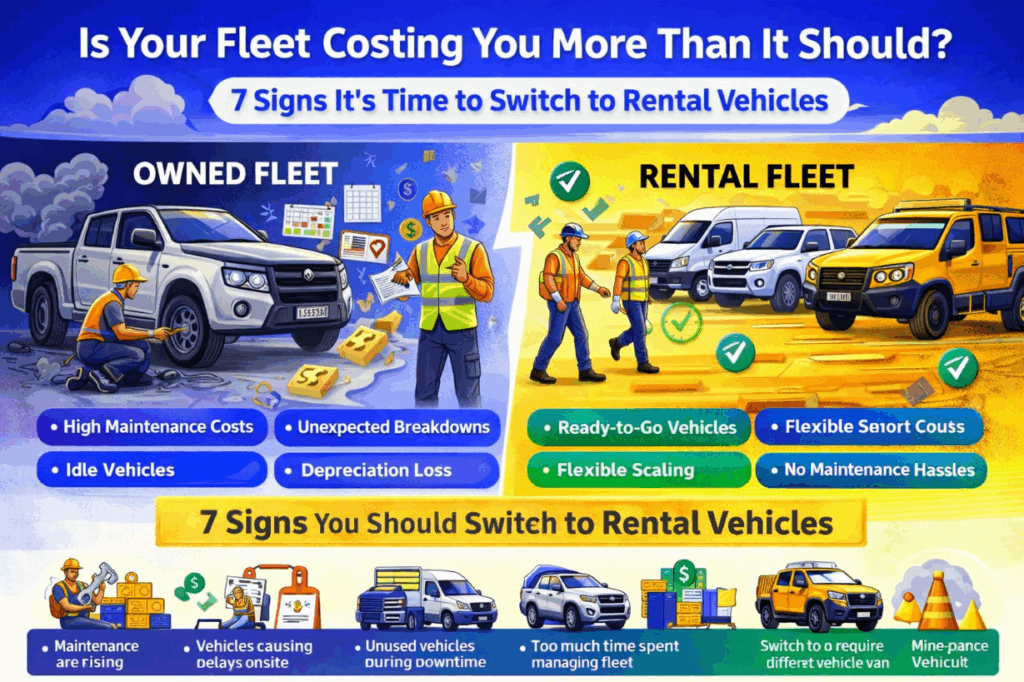
The Changing Landscape of Construction Fleet Management
Construction projects today are more complex than ever. Infrastructure works, renewable energy projects, and large commercial developments require companies to mobilise crews quickly across multiple locations.
Traditional fleet ownership often struggles to keep up with this dynamic environment. Companies must manage vehicle purchases, depreciation, servicing, compliance upgrades, and insurance — all while trying to maintain project efficiency.
One of the biggest challenges is cost. Buying a commercial fleet requires substantial capital investment. For example:
- A standard delivery van may cost around $45,000
- A 4WD ute can range from $55,000 to $70,000
- Mine-spec vehicles can exceed $80,000 once safety modifications are added
For a construction firm operating 10 vehicles, this can mean over $500,000 in upfront costs before factoring in maintenance, insurance, and depreciation.
Because of these financial pressures, many contractors are adopting rental fleets to improve flexibility and reduce capital expenditure.

Sign 1: Your Vehicles Sit Idle Between Projects
One of the clearest signs that fleet ownership has become inefficient is vehicle downtime.
Construction work often follows project cycles. Vehicles may be heavily used during peak activity but sit unused during quieter periods.
If your fleet regularly experiences idle time between projects, ownership may be costing your company more than necessary.
Why Idle Vehicles Are Expensive
Even when vehicles are not in use, businesses still pay for:
- Insurance
- Registration
- Depreciation
- Maintenance
These ongoing expenses can quickly accumulate.
Rental fleets eliminate this problem because companies only pay for vehicles when they are needed. Fleet size can be increased during busy project phases and reduced when demand drops.
This flexibility is one of the most significant rental fleet benefits for construction companies managing project-based workloads.
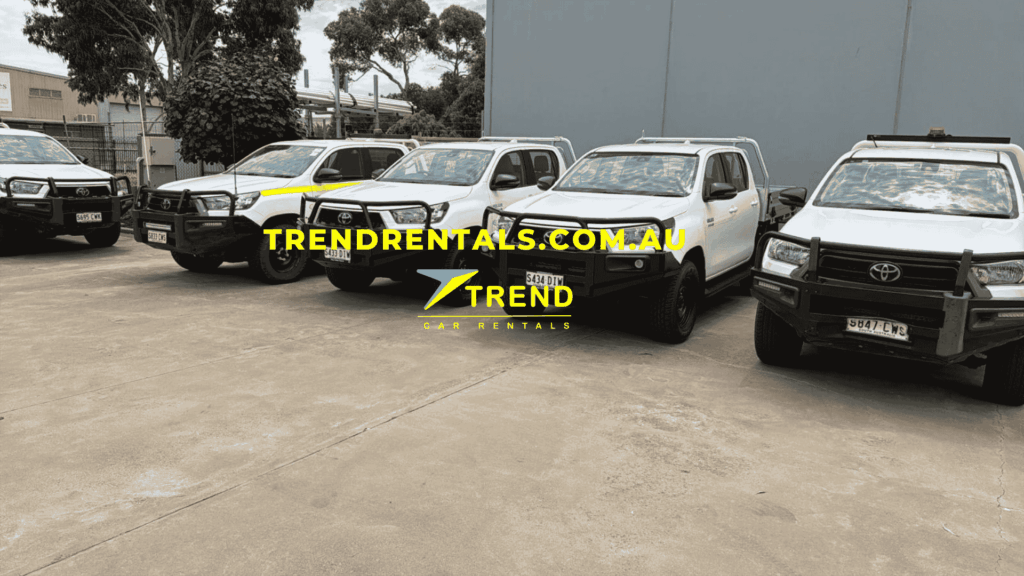
Sign 2: Maintenance Costs Are Increasing Every Year
As vehicles age, maintenance costs increase significantly.
Construction fleets operate in challenging environments, including:
- Dusty worksites
- Rough terrain
- Remote project locations
- Heavy loads and towing
These conditions accelerate wear and tear.
Owning a fleet means covering all maintenance expenses, including:
- Servicing
- Tyres and brakes
- Mechanical repairs
- Breakdown recovery
For a fleet of ten vehicles, servicing alone can cost $15,000 to $20,000 per year, not including major repairs.
With rental fleets, these responsibilities are usually handled by the provider. Vehicles are serviced regularly and replaced if mechanical issues occur.
This reduces downtime and ensures your workforce always has reliable transport.
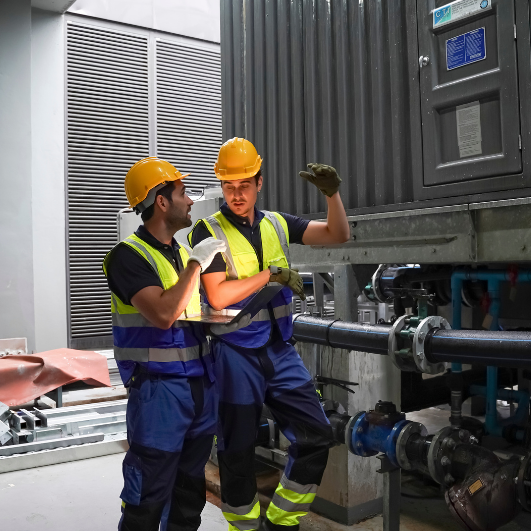
Sign 3: You Need to Scale Your Fleet Quickly
Construction projects can expand rapidly.
A company may win a new contract that requires mobilising additional crews across multiple locations. Purchasing new vehicles in this situation can be slow and expensive.
Fleet rental provides the flexibility to scale quickly.
Rental fleets allow companies to:
- Add vehicles when new projects begin
- Deploy crews faster
- Reduce fleet size after project completion
This scalability is particularly valuable in industries where workforce size changes frequently.
Rental vehicles also help projects maintain continuity. When vehicles break down, replacement vehicles can be provided quickly, ensuring work continues without interruption.
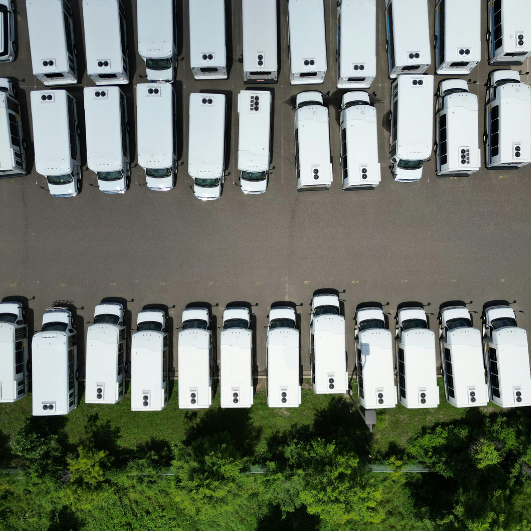
Sign 4: Capital Is Tied Up in Fleet Assets
Vehicle ownership ties up valuable capital that could be used elsewhere in the business.
Construction companies often need to invest in:
- Equipment and machinery
- Technology and project management tools
- Skilled workforce expansion
- Safety and compliance systems
Buying a fleet locks capital into assets that depreciate over time.
Vehicles typically lose 20–30% of their value in the first year and continue depreciating annually.
Rental fleets solve this issue by converting vehicle costs into operating expenses rather than capital investments. This allows businesses to preserve cash flow and allocate funds to higher-return investments.

Sign 5: Fleet Administration Is Consuming Too Much Time
Fleet management requires significant administrative effort.
Companies must manage:
- Service schedules
- Insurance policies
- Registration renewals
- Compliance documentation
- Vehicle inspections
- Driver records
For growing construction businesses, these tasks can become overwhelming.
Fleet outsourcing or rental solutions simplify construction fleet management by shifting many of these responsibilities to the rental provider.
Rental companies typically handle:
- Maintenance scheduling
- Insurance coverage
- Compliance checks
- Roadside assistance
- Vehicle replacement
This allows project managers to focus on project delivery instead of fleet administration.

Sign 6: Compliance Requirements Are Becoming More Complex
Construction and mining projects often require vehicles to meet strict safety and compliance standards.
For example, site-ready vehicles may require:
- Roll-over protection systems
- UHF radios
- Reverse cameras
- GPS tracking
- High-visibility markings
Maintaining compliance across an owned fleet can be expensive and time-consuming.
Rental vehicles are often delivered fully compliant with industry standards, reducing the burden on construction companies.
This ensures vehicles meet site requirements without requiring costly modifications.

Sign 7: Vehicle Breakdowns Are Affecting Productivity
Downtime is one of the biggest risks in construction operations.
If a vehicle breaks down during a project, it can delay:
- Crew transportation
- Equipment delivery
- Site inspections
- Material transport
These delays can affect project timelines and increase operational costs.
Rental fleets provide an advantage because providers often offer replacement vehicles quickly.
This ensures crews remain mobile and projects continue running smoothly.
Sign 8: Your Fleet Is Aging
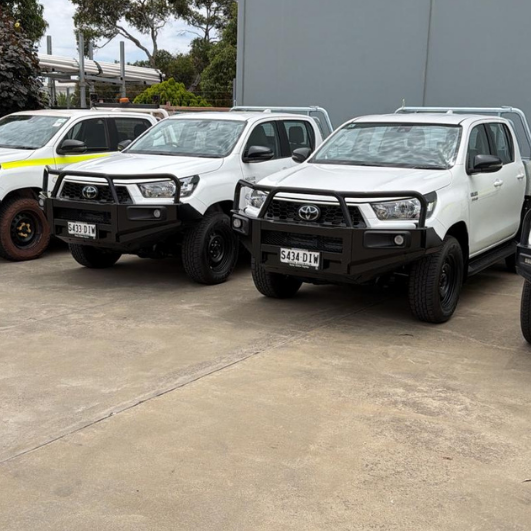
Older vehicles become less reliable and more expensive to maintain.
Signs of an aging fleet include:
- Increasing repair costs
- Frequent mechanical issues
- Reduced fuel efficiency
- Outdated safety features
Rental fleets allow businesses to access modern vehicles without purchasing them.
Rental providers regularly update their fleets, ensuring companies have access to vehicles with:
- Improved fuel efficiency
- Advanced safety technology
- Better reliability
This helps improve both operational efficiency and driver safety.
Sign 9: Your Projects Are Spread Across Multiple Locations
Construction companies working across multiple regions face logistical challenges when managing fleets.
Vehicles may need to be transported between:
- Different cities
- Remote worksites
- Temporary project offices
Rental providers often operate in multiple locations, making it easier to deploy vehicles near project sites.
Rental fleets also support remote infrastructure projects by providing transport solutions where public transport is unavailable.

Sign 10: Your Fleet Strategy Lacks Flexibility
Construction businesses must remain agile to stay competitive.
Rigid fleet ownership models can restrict growth because companies cannot easily adjust fleet size or vehicle types.
Rental fleets provide flexibility in several ways:
- Switching vehicle types for different projects
- Increasing fleet size during peak demand
- Reducing costs during quieter periods
This adaptability helps businesses respond to changing project requirements.
Key Rental Fleet Benefits for Construction Companies
For many contractors, switching to rental fleets provides several major advantages.
Financial Flexibility
Rental eliminates large upfront vehicle purchases and converts fleet costs into predictable operating expenses.
Companies can preserve capital for other investments.
Scalability
Rental fleets allow companies to scale up or down depending on project requirements.
This prevents businesses from paying for vehicles that are not being used.
Reduced Maintenance Responsibility
Rental providers handle servicing and repairs, reducing administrative burden and unexpected expenses.
Access to Modern Vehicles
Rental fleets are regularly updated, giving businesses access to newer vehicles with improved safety features.
Faster Project Mobilisation
Rental vehicles can be deployed quickly when new contracts begin, helping companies mobilise crews faster.
When Vehicle Hire Makes the Most Sense for Contractors
While ownership may work for companies with consistent fleet requirements, rental fleets are ideal when:
- Projects vary in duration
- Workforce size changes frequently
- Companies operate across multiple regions
- Vehicles must meet site-specific compliance requirements
For these reasons, vehicle hire for contractors is becoming increasingly common in construction, mining, and infrastructure industries.
Improving Construction Fleet Management with Rental Solutions
Switching to rental fleets does not mean losing control of fleet operations.
Modern rental providers offer integrated fleet solutions that allow companies to monitor vehicle usage, costs, and compliance.
Fleet management systems provide visibility into:
- Vehicle utilisation
- Fuel efficiency
- Maintenance schedules
- Driver safety data
These insights help companies optimise fleet performance and reduce operational costs.
Final Thoughts
Fleet vehicles are essential for construction companies, but ownership is not always the most efficient solution.
If your company is experiencing:
- Idle vehicles between projects
- Rising maintenance costs
- Capital tied up in fleet assets
- Administrative burden from fleet management
- Difficulty scaling fleets for new projects
It may be time to rethink your fleet strategy.
Switching to rental fleets offers significant advantages, including improved flexibility, reduced financial risk, and simplified construction fleet management.
For contractors working on dynamic projects across Australia, rental fleets provide the agility needed to stay competitive while controlling costs.
As construction projects continue to evolve, many businesses are discovering that the smartest move is not owning more vehicles — but having access to the right vehicles exactly when they are needed.