For construction companies, mining contractors, and infrastructure operators across Australia, fleet vehicles are essential to daily operations. Whether it’s transporting workers, hauling equipment, or accessing remote sites, vehicles play a critical role in productivity.
However, one challenge that many businesses underestimate is how quickly maintenance costs increase as vehicles age. What may start as a cost-effective investment can soon become a financial burden, impacting budgets, productivity, and project timelines.
In this blog, we explore why maintenance costs rise every year, the hidden expenses associated with ageing fleets, and how businesses can reduce these costs through smarter fleet strategies.
Why Maintenance Costs Increase as Vehicles Age
Fleet vehicles, like any mechanical asset, experience wear and tear over time. As usage accumulates, components degrade, leading to more frequent servicing and unexpected repairs.
1. Wear and Tear on Critical Components
Key vehicle components naturally deteriorate with age, including:
- Engines and transmissions
- Suspension systems
- brakes and tyres
- electrical systems
As these components wear out, they require more frequent replacement or repair, increasing maintenance expenses.
For example, a vehicle that requires only routine servicing in its first few years may later need major repairs such as gearbox work or engine component replacement.
2. Increased Frequency of Breakdowns
Older vehicles are more prone to unexpected failures. These breakdowns not only increase repair costs but also disrupt operations.
Breakdowns can lead to:
- project delays
- missed deadlines
- increased labour costs
- emergency repair expenses
Many businesses underestimate how costly downtime can be until it directly impacts project delivery.

3. Rising Parts and Labour Costs
Maintenance costs don’t just increase because of vehicle age—external factors also play a role.
These include:
- higher labour rates for mechanics
- increased cost of replacement parts
- supply chain delays affecting availability
As vehicles get older, sourcing parts can become more difficult and expensive, especially for discontinued models.

4. Reduced Fuel Efficiency
Older vehicles often consume more fuel due to:
- engine inefficiencies
- worn components
- outdated technology
Over time, increased fuel consumption adds to the total cost of ownership, further reducing the value of keeping ageing vehicles in your fleet.
The Hidden Costs of Running an Ageing Fleet
Beyond direct maintenance expenses, ageing vehicles create a range of hidden costs that impact overall business performance.
Downtime and Productivity Loss
When vehicles are off the road for repairs, productivity suffers.
For construction and mining projects, this can mean:
- crews unable to reach work zones
- delayed inspections
- interrupted workflows
Downtime can often cost more than the repair itself.

Compliance and Safety Risks
Older vehicles may struggle to meet current safety and compliance standards, particularly in industries like mining and infrastructure.
For example, vehicles used on mine sites must meet strict requirements, including:
- safety equipment
- communication systems
- visibility enhancements
Failing to meet these standards can result in vehicles being denied site access.

Increased Administrative Burden
Managing an ageing fleet often requires more:
- maintenance scheduling
- repair coordination
- downtime planning
This increases administrative workload for fleet managers and can divert focus from core business operations.

Depreciation and Resale Value Loss
Vehicles lose value over time, but depreciation accelerates as they age.
Older vehicles:
- have lower resale value
- are harder to sell
- may require costly repairs before sale
This reduces the return on investment and makes fleet ownership less attractive over the long term.

The True Cost of Ownership vs Maintenance
Many businesses assume owning vehicles is cheaper than renting—but this is not always the case.
Ownership costs include:
- purchase price
- maintenance and repairs
- insurance
- registration
- depreciation
As maintenance costs increase each year, the total cost of ownership can exceed the cost of renting newer vehicles.

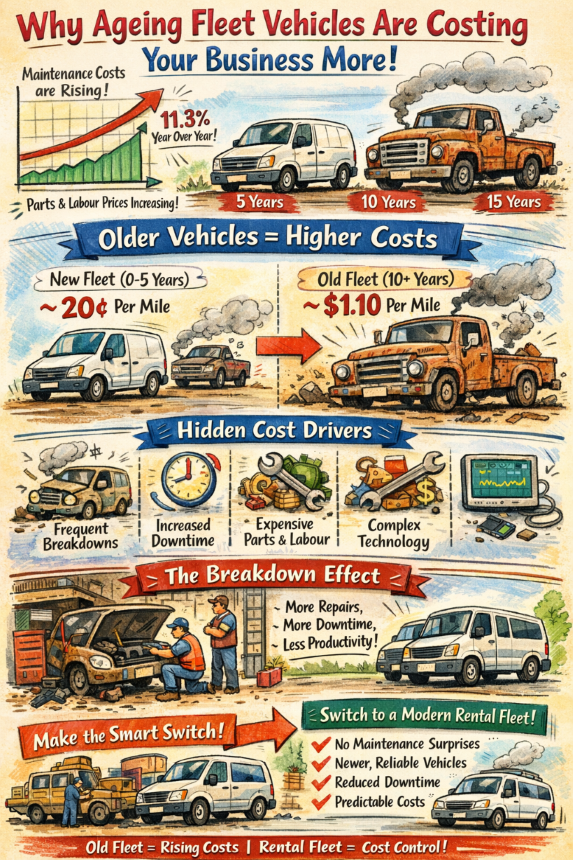
Why Maintenance Costs Spike After 3–5 Years
Fleet vehicles typically follow a predictable cost curve.
Years 0–3: Low Maintenance Phase
- minimal repairs
- routine servicing only
- warranty coverage
Years 3–5: Moderate Cost Increase
- replacement of wear items
- increased servicing frequency
Years 5+: High Maintenance Phase
- major component failures
- frequent repairs
- increased downtime
This is the stage where many businesses begin to feel the financial strain of maintaining older vehicles.
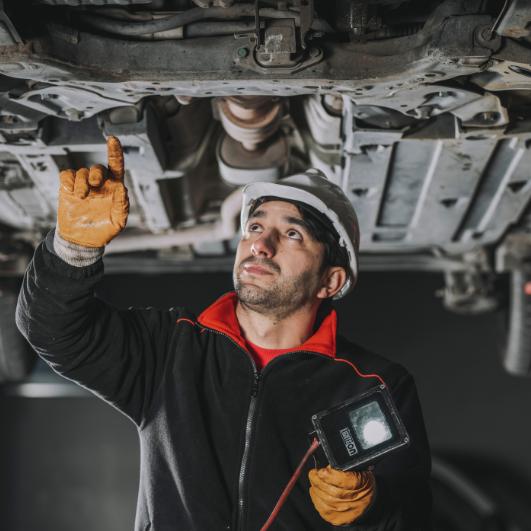
Impact on Construction and Mining Projects
In industries like construction and mining, vehicle reliability is critical.
Ageing fleets can create serious operational challenges, including:
Delayed Project Timelines
Vehicles that break down frequently can delay:
- site inspections
- material deliveries
- workforce transport
Increased Safety Risks
Unreliable vehicles increase the risk of:
- accidents
- equipment failures
- compliance breaches
Higher Operating Costs
Unexpected repairs and downtime can quickly inflate project budgets.
For projects operating on tight margins, these costs can significantly impact profitability.
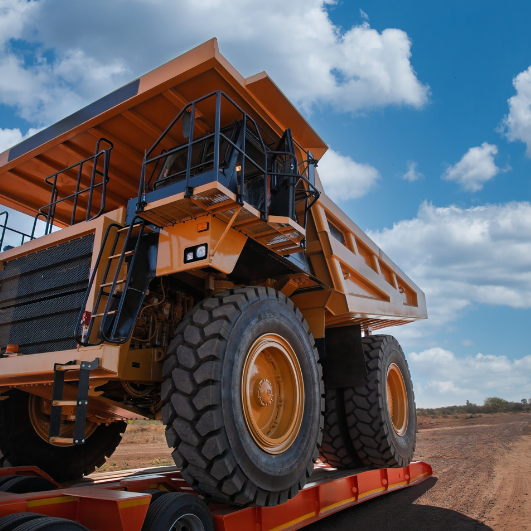
How Rental Fleets Help Reduce Maintenance Costs
To avoid rising maintenance expenses, many businesses are switching to rental fleets.
Companies like Trend Rentals provide flexible fleet solutions designed to reduce costs and improve efficiency.
1. Access to Newer Vehicles
Rental fleets typically consist of newer vehicles that:
- require less maintenance
- are more fuel efficient
- include modern safety features
This reduces the likelihood of breakdowns and costly repairs.
2. Maintenance Included
One of the biggest advantages of rental fleets is that maintenance is often included.
This means:
- no unexpected repair costs
- reduced administrative workload
- predictable operating expenses
3. Reduced Downtime
Rental providers can quickly replace vehicles if issues arise.
This ensures:
- minimal disruption to operations
- consistent productivity
- reliable workforce mobility
4. Scalable Fleet Solutions
Rental fleets allow businesses to scale vehicles up or down based on project needs.
This eliminates the need to maintain underutilised vehicles during quieter periods.
5. Improved Cash Flow
Instead of large upfront investments, rental fleets convert capital expenses into operational costs.
This helps businesses:
- preserve working capital
- improve financial flexibility
- invest in core operations
Signs Your Fleet Maintenance Costs Are Too High
Many businesses don’t realise how much they’re spending on maintenance until it becomes a major issue.
Here are key warning signs:
- frequent breakdowns
- rising repair invoices
- increasing downtime
- vehicles out of warranty
- declining fuel efficiency
If your fleet shows these signs, it may be time to consider alternative solutions.
Strategic Fleet Replacement Planning
Instead of reacting to rising maintenance costs, businesses should adopt a proactive approach.
Replace Vehicles Before Costs Peak
Replacing vehicles before they enter the high-maintenance phase can:
- reduce repair costs
- improve reliability
- maintain resale value
Use Data to Track Costs
Fleet managers should monitor:
- maintenance expenses
- downtime frequency
- fuel usage
This data helps identify when vehicles should be replaced.
Combining Owned and Rental Fleets
Some businesses choose a hybrid approach:
- own core vehicles
- rent additional vehicles as needed
This provides flexibility while maintaining control over essential fleet assets.
Future Trends: Smarter Fleet Management
As technology evolves, fleet management is becoming more data-driven.
Key trends include:
- predictive maintenance
- telematics and GPS tracking
- real-time performance monitoring
These tools help businesses optimise fleet performance and reduce long-term costs.
Why Businesses Are Moving Away from Ownership
Across Australia, many companies are shifting away from owning large fleets.
The reasons include:
- rising maintenance costs
- unpredictable repair expenses
- increased compliance requirements
- need for flexibility
Rental fleets provide a modern solution that aligns with the fast-paced nature of construction and infrastructure projects.
Final Thoughts
Maintenance costs are an unavoidable part of running a fleet—but they don’t have to spiral out of control.
As vehicles age, repair costs, downtime, and inefficiencies increase, making fleet ownership less cost-effective over time.
By understanding the true cost of maintaining ageing vehicles and exploring flexible alternatives such as rental fleets, businesses can reduce expenses, improve reliability, and keep projects running smoothly.
Working with experienced providers like Trend Rentals allows companies to access modern, reliable vehicles without the burden of rising maintenance costs.
In today’s competitive environment, smarter fleet management isn’t just about saving money—it’s about staying efficient, compliant, and ready for every project.