Electric vehicles are rapidly becoming a mainstream choice across Australia, and nowhere is this more visible than in Adelaide and other major cities. But one question still confuses most drivers in 2026:
👉 How much does it actually cost to charge an EV in Australia?
The answer depends heavily on where you charge your vehicle—at home, at public charging stations, or at high-speed DC fast chargers on long trips.
In this guide, we break down real EV charging costs in Australia, compare all charging methods, and explain how EV drivers can save thousands per year by choosing the right charging strategy.
Understanding EV Charging Costs in Australia
Unlike petrol vehicles where fuel pricing is relatively uniform, EV charging costs vary based on:
- Electricity tariffs (home rates vs peak/off-peak pricing)
- Charging speed (slow AC vs DC fast charging)
- Location (home, workplace, public stations)
- Energy source (grid vs solar)
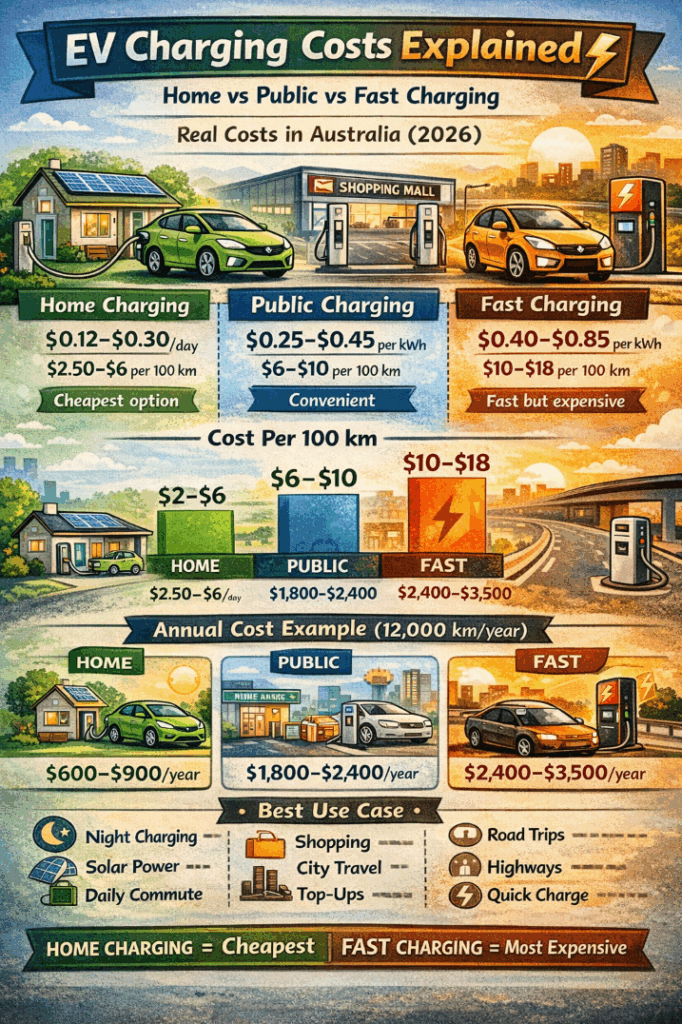
In 2026, the typical EV charging cost in Australia ranges from:
- ⚡ Home charging: $0.12 – $0.30 per kWh
- ⚡ Public AC charging: $0.25 – $0.45 per kWh
- ⚡ DC fast charging: $0.40 – $0.85 per kWh
👉 Source ranges reflect current Australian EV energy pricing trends and network data in 2026.
1. Home EV Charging: The Cheapest Way to Power Your EV
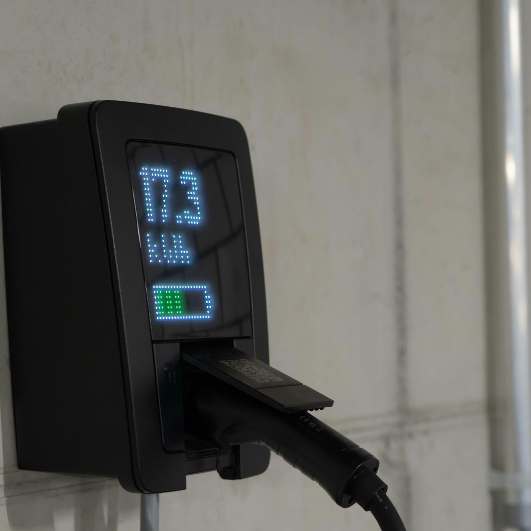
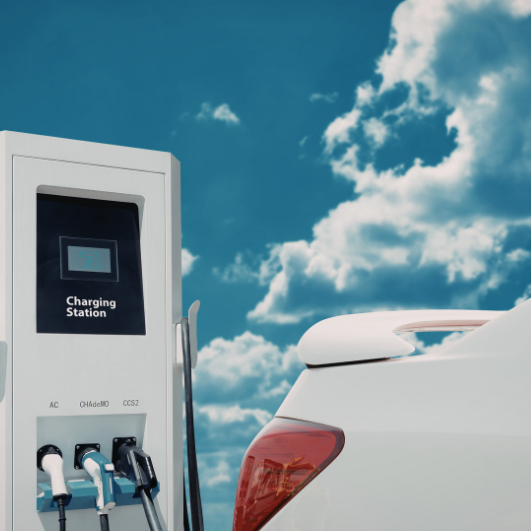
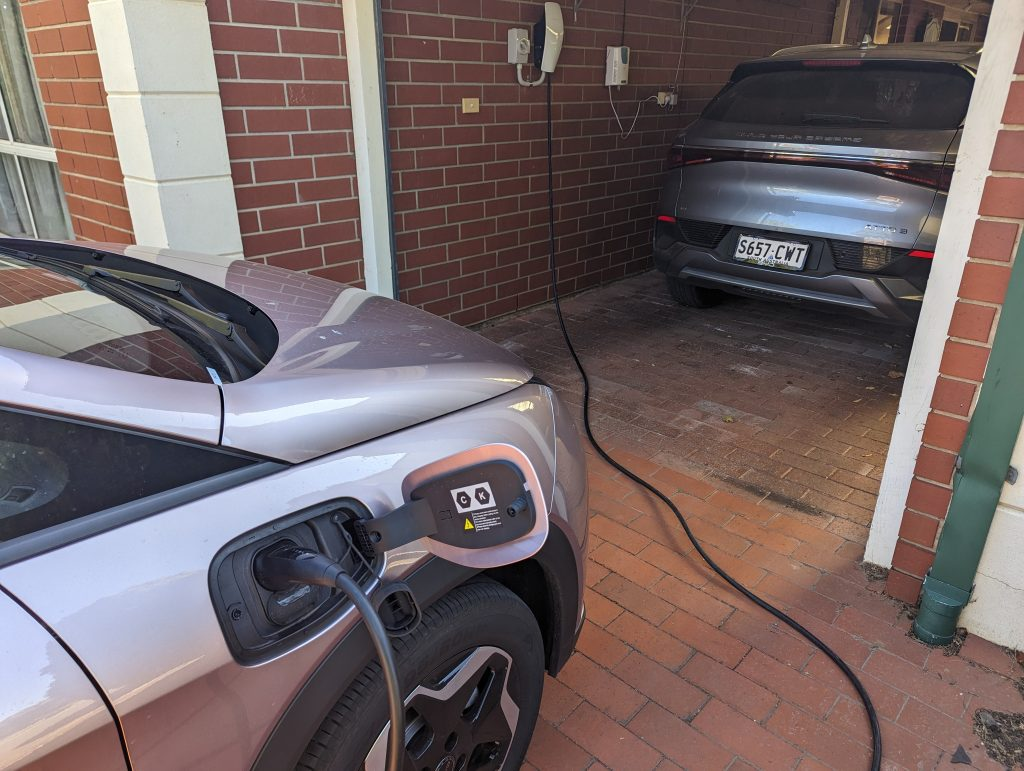
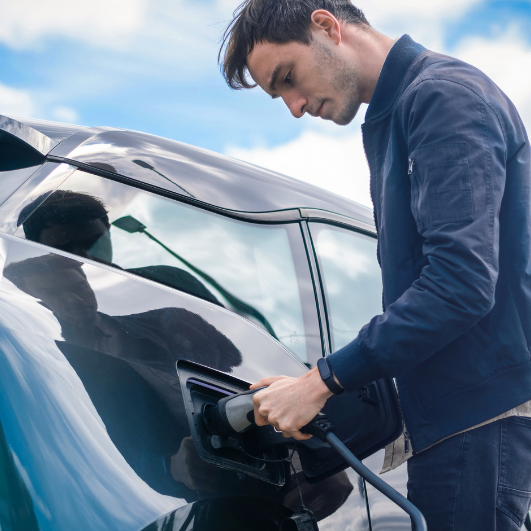
Home charging is the most popular and cost-effective way to charge an electric vehicle in Australia, with around 80–90% of charging done at home for most EV owners.
How much does home charging cost?
In 2026:
- Standard electricity rates: $0.25 – $0.30 per kWh
- Off-peak tariffs: $0.12 – $0.20 per kWh
- Solar charging: effectively $0 per kWh
For an average EV consuming 15–18 kWh per 100 km, this equates to:
- 🚗 $2.50 – $6 per 100 km
👉 Home charging is by far the cheapest EV charging method in Australia.
Why home charging saves the most money
Home charging benefits from:
- Lower electricity rates compared to public networks
- Overnight off-peak pricing
- Ability to use rooftop solar
- No network or infrastructure surcharges
If you have solar, EV charging becomes even cheaper—many drivers effectively drive for less than 1 cent per kilometre when charging from excess solar.
Real-world example
A typical Adelaide EV driver:
- Drives: 40 km/day
- Energy use: ~6–7 kWh/day
- Home charging cost: ~$1.50 – $2.00/day
👉 Monthly cost: $45 – $60
Internal resource
If you’re comparing EV ownership costs, see:
👉 https://www.trendrentals.com.au/blog/
2. Public EV Charging: Convenience at a Premium
Public charging stations are essential for EV drivers who don’t have home charging access or need top-ups while out and about.
However, convenience comes at a higher price.
How much does public charging cost?
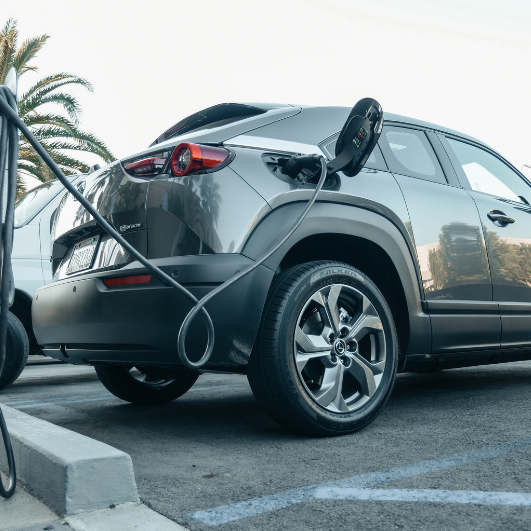
In 2026, public charging in Australia typically costs:
- ⚡ AC public chargers: $0.25 – $0.45 per kWh
- ⚡ DC fast chargers: $0.40 – $0.85 per kWh
This means:
- 🚗 $10 – $18 per 100 km
Why public charging is more expensive
Public charging prices are higher due to:
- Infrastructure installation costs
- Network maintenance fees
- Peak demand pricing
- Commercial electricity tariffs
Some networks also include idle fees or time-based charges, increasing overall cost.
When public charging makes sense
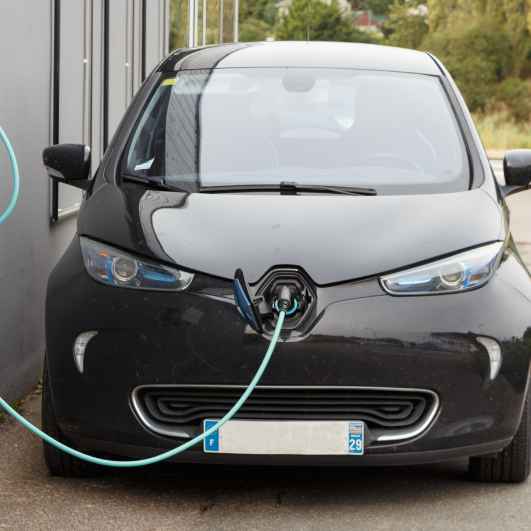
Public charging is best for:
- Apartment dwellers without home charging access
- Drivers on long road trips
- Emergency top-ups during travel
- Urban commuters without driveway access
However, relying on public charging exclusively can significantly increase running costs compared to home charging.
Key insight
Public charging is still cheaper than petrol in most cases—but it is not the cheapest way to run an EV in Australia.
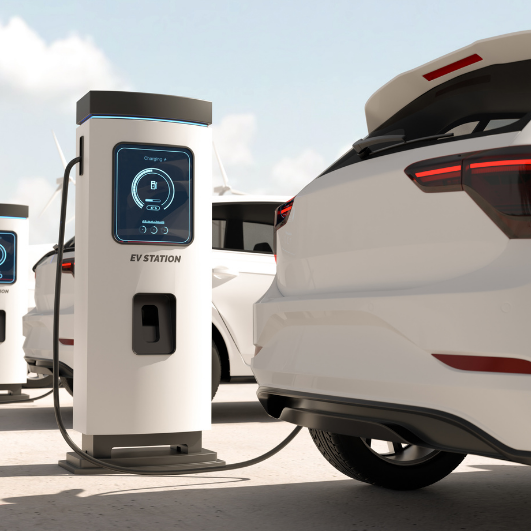
3. Fast Charging (DC Chargers): Speed vs Cost
Fast charging is designed for convenience, not cost savings.
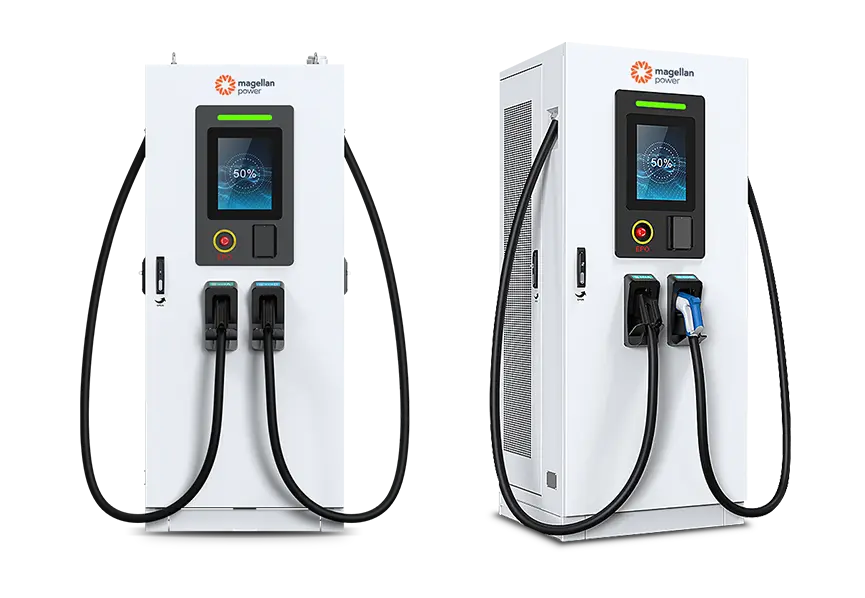
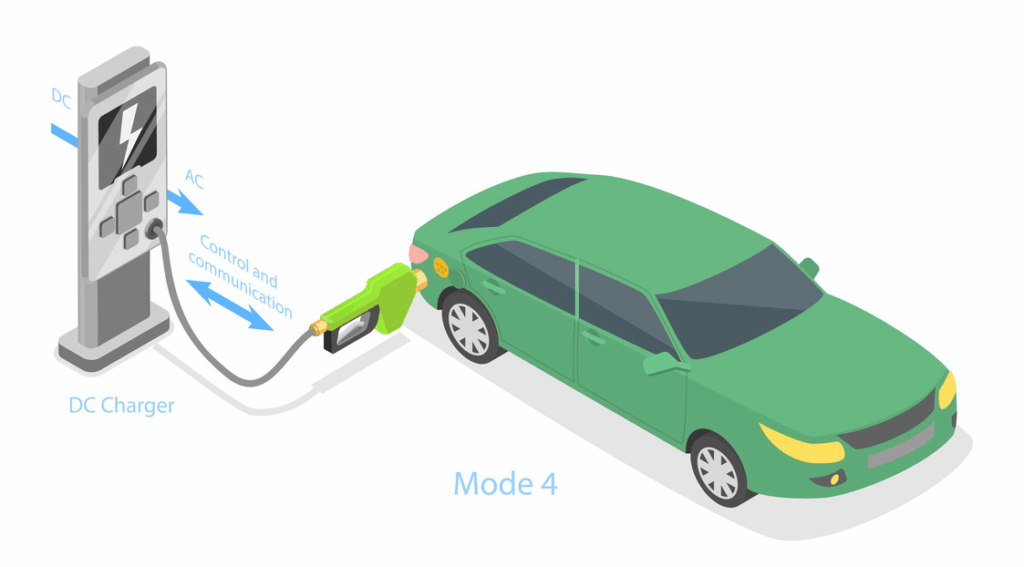
These ultra-rapid chargers (50–350 kW) are located along highways and major routes and can charge an EV from 10% to 80% in under 30 minutes.
Fast charging costs in Australia (2026)
- ⚡ DC fast charging: $0.40 – $0.85 per kWh
This translates to:
- 🚗 $12 – $20 per 100 km
Why fast charging is expensive
Fast charging is the most expensive option because:
- High power delivery requires expensive infrastructure
- Demand charges from energy providers
- Heavy grid load management costs
- Premium convenience pricing model
When fast charging is worth it
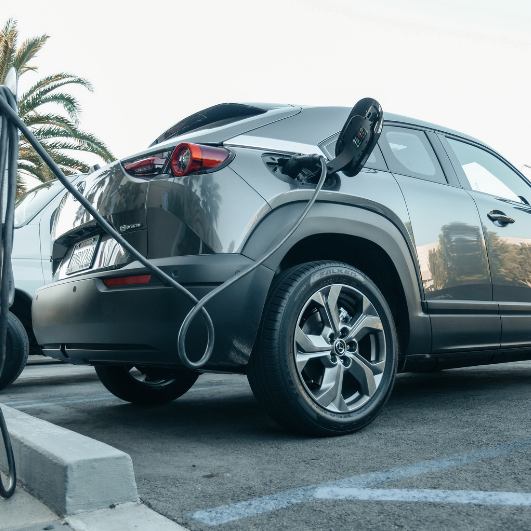
Fast charging is ideal for:
- Long-distance travel (Adelaide → Melbourne, etc.)
- Road trips where time matters
- Fleet or rental vehicle turnover
- Emergency charging situations
Important reality check
Even at fast charging rates, EVs are often still cheaper per kilometre than petrol vehicles—but the gap narrows significantly compared to home charging.
Home vs Public vs Fast Charging: Full Cost Comparison
| Charging Type | Cost per kWh | Cost per 100 km | Convenience | Best Use Case |
|---|---|---|---|---|
| Home Charging | $0.12 – $0.30 | $2.50 – $6 | High | Daily charging |
| Public AC Charging | $0.25 – $0.45 | $6 – $10 | Medium | Shopping / top-ups |
| DC Fast Charging | $0.40 – $0.85 | $10 – $18 | Very High | Road trips |
Which EV Charging Option Is Cheapest?
🥇 Cheapest overall: Home charging
Home charging dominates because it:
- Uses residential electricity rates
- Allows off-peak pricing
- Can be combined with solar
- Eliminates public charging premiums
🥈 Middle option: Public AC charging
Good balance between:
- Cost
- Convenience
- Accessibility
🥉 Most expensive: Fast charging
Best reserved for:
- Travel
- Emergencies
- Time-sensitive situations
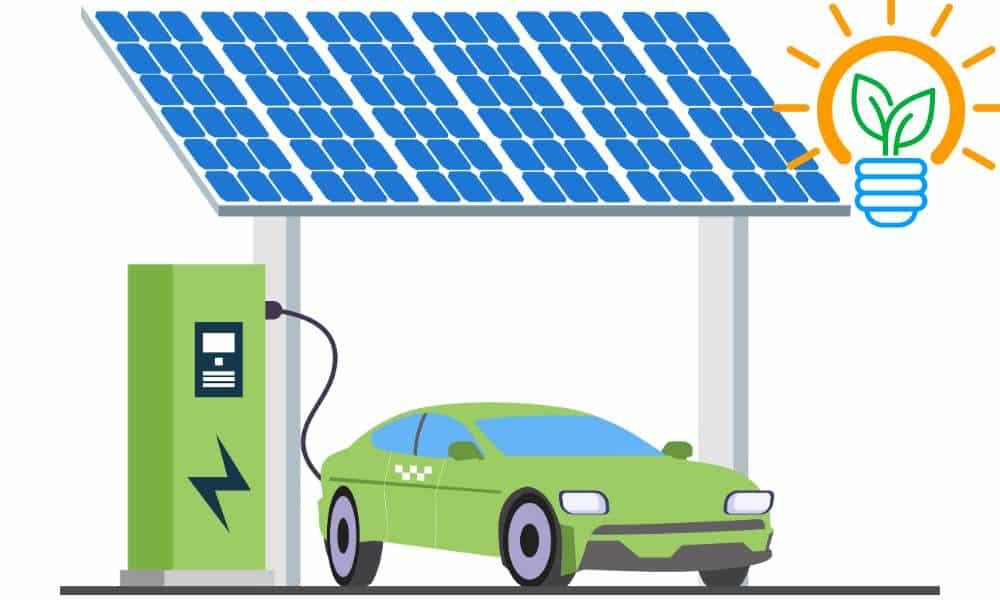
How Solar Changes Everything
One of the biggest advantages for Australian EV owners is solar integration.
If you charge your EV using excess solar energy:
- Fuel cost drops to near zero
- Payback period improves dramatically
- Annual savings can exceed $1,500–$2,500
This is why solar + EV combinations are becoming extremely popular in South Australia.
Real EV Running Cost Example (Adelaide 2026)
Let’s compare real-world costs for a typical EV:
Scenario: 12,000 km/year driving
Home charging only
- Cost: ~$600 – $900/year
Public charging only
- Cost: ~$1,800 – $2,400/year
Fast charging only
- Cost: ~$2,400 – $3,500/year
👉 Difference between cheapest and most expensive: up to $2,500/year
EV Charging Trends in Australia (2026)
Several major trends are shaping EV charging:
- Rapid expansion of fast charging networks across highways
- Increased adoption of home EV chargers
- Rising electricity prices making solar more attractive
- Growing EV adoption in fleets and rentals
Recent developments show governments are heavily investing in charging infrastructure to support EV growth across Australia.
At the same time, rising fuel costs are pushing more Australians toward EVs and away from petrol vehicles.
EV Charging Strategy: How to Save the Most Money
To minimise EV charging costs in Australia:
1. Charge at home whenever possible
This is the single biggest cost-saving strategy.
2. Use off-peak tariffs
Night-time electricity is significantly cheaper.
3. Install solar panels
This can reduce charging costs by up to 100%.
4. Avoid overusing fast chargers
Use them only for travel.
Final Verdict: Which Charging Option Should You Use?
The best EV charging strategy in Australia is a mix:
- 🏠 Home charging = daily fuel
- 🏬 Public charging = convenience
- ⚡ Fast charging = travel only
If you rely heavily on fast or public charging, your EV running costs can approach petrol levels. But if you charge at home—especially with solar—your costs drop dramatically.
Conclusion
EV charging in Australia is not one fixed price—it is a spectrum of costs depending on where and how you charge.
For most drivers in 2026:
- Home charging is the clear winner
- Public charging is a useful backup
- Fast charging is essential for travel but expensive
Understanding this difference is the key to unlocking the real savings of electric vehicle ownership.