With fuel prices remaining volatile and electric vehicle (EV) adoption accelerating across Australia, one question continues to dominate:
👉 How much money can you actually save by driving an EV in 2026?
The short answer: a lot—but it depends on how and where you drive.
In this comprehensive guide, we break down real EV savings in Australia, including fuel costs, maintenance, running costs, and long-term ownership benefits. Whether you’re a business owner, commuter, or considering an EV rental, this article will give you a clear, data-driven answer.
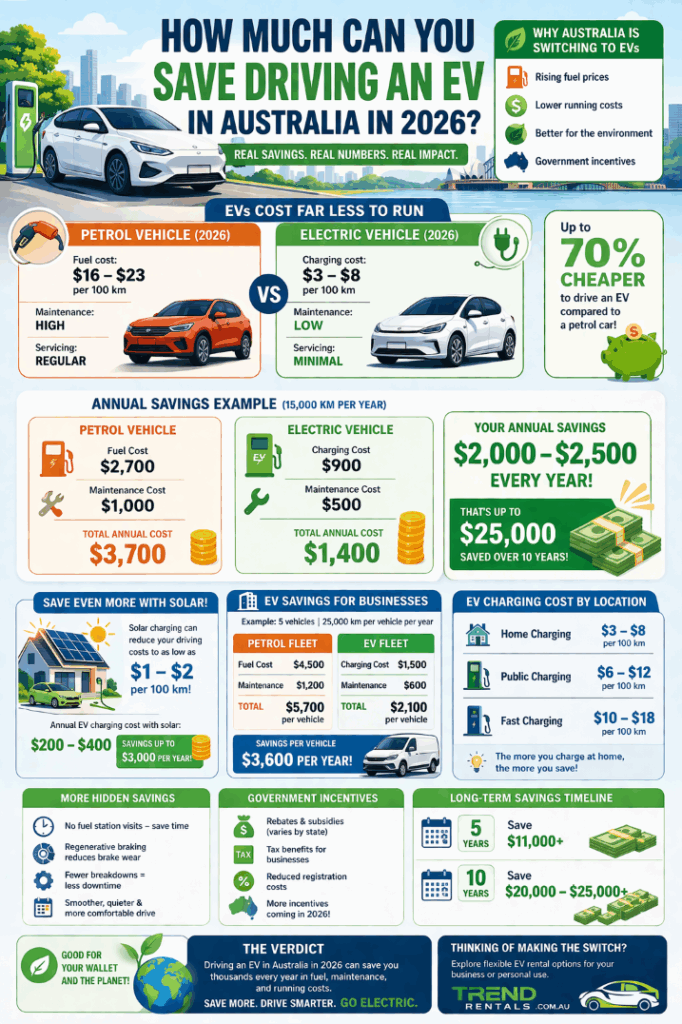
EV vs Petrol Costs in Australia (2026 Overview)
Before diving into detailed savings, let’s compare the basics.
Petrol Vehicle Costs:
- Fuel: $12–$18 per 100 km
- Maintenance: High
- Servicing frequency: Regular
Electric Vehicle Costs:
- Charging: $4–$8 per 100 km
- Maintenance: Low
- Servicing: Minimal
👉 Immediate takeaway: EVs are up to 70% cheaper per kilometre.
1. Fuel Savings: The Biggest Cost Advantage
Fuel is the single largest ongoing cost for petrol vehicles—and where EVs deliver the most savings.
Petrol Costs (2026)
- Average fuel price: ~$2.00–$2.30/L
- Average consumption: 8–10L/100 km
👉 Cost: $16–$23 per 100 km
EV Charging Costs
- Home charging: $0.12–$0.30 per kWh
- Average consumption: 15–18 kWh/100 km
👉 Cost: $3–$8 per 100 km
💰 Annual Fuel Savings Example
Assume:
- 15,000 km/year driving
Petrol:
- ~$2,700/year
EV:
- ~$900/year
👉 Savings: ~$1,800/year
2. Maintenance Savings: Fewer Parts, Lower Costs
EVs have significantly fewer moving parts than internal combustion vehicles.
No need for:
- Oil changes
- Spark plugs
- Gearbox servicing
- Exhaust repairs

Typical Annual Maintenance Costs
| Vehicle Type | Annual Cost |
|---|---|
| Petrol | $800 – $1,500 |
| EV | $300 – $700 |
👉 Savings: $500 – $1,000/year
3. Total Running Cost Comparison
Let’s combine fuel + maintenance.
Petrol Vehicle:
- Fuel: $2,700
- Maintenance: $1,000
👉 Total: $3,700/year

Electric Vehicle:
- Charging: $900
- Maintenance: $500
👉 Total: $1,400/year
💰 Total Savings
👉 $2,000 – $2,500 per year
4. Savings Increase with Solar Charging
If you have solar panels, EV savings increase dramatically.
Solar Charging:
- Cost per kWh: ~$0
- Driving cost: ~$1–$2 per 100 km

Annual Cost Example
- EV charging cost: ~$200–$400/year
👉 Savings vs petrol:
- $2,300 – $3,000/year
5. EV Savings for Business Users
Businesses benefit even more from EV savings due to higher vehicle usage.
Example: 25,000 km/year
Petrol:
- ~$4,500 fuel
- ~$1,200 maintenance
👉 ~$5,700/year
EV:
- ~$1,500 charging
- ~$600 maintenance
👉 ~$2,100/year
👉 Savings: ~$3,600/year per vehicle
6. EV Rental vs Ownership Savings
Not everyone needs to buy an EV.
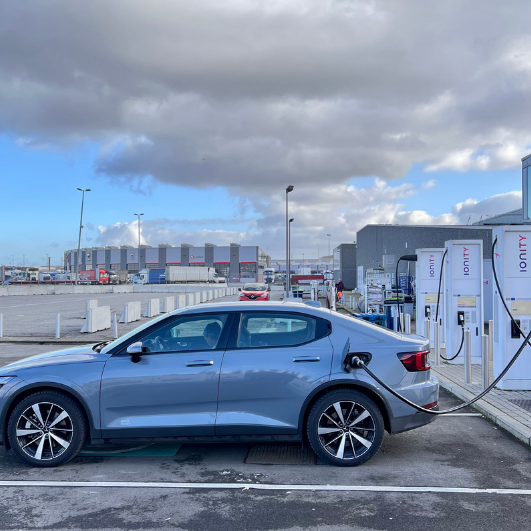
EV rentals offer:
- No upfront cost
- Flexible usage
- Immediate access to savings
Why EV rentals are growing
- Businesses avoid capital expenditure
- Short-term projects benefit from flexibility
- Individuals can trial EVs before buying
7. Government Incentives and Rebates
Australia continues to support EV adoption through:
- Rebates and subsidies
- Tax benefits for businesses
- Reduced registration costs
These incentives can reduce:
👉 Total ownership costs by thousands of dollars
8. Reduced Depreciation Risk (Emerging Trend)
As demand for EVs increases:
- Resale values are stabilising
- Petrol vehicles may depreciate faster
This trend is expected to strengthen over time as:
- EV adoption increases
- Emissions regulations tighten
9. Hidden Savings Most Drivers Miss
No fuel station visits
- Saves time and convenience
Lower wear on brakes
- Regenerative braking reduces wear
Less downtime
- Fewer repairs = more uptime
10. Long-Term Cost Savings (5–10 Years)
EV savings compound over time.
5-Year Savings Example
- Annual savings: ~$2,200
👉 5 years: ~$11,000 saved

10-Year Savings Example
👉 $20,000 – $25,000 saved
EV Cost Breakdown by Charging Type
| Charging Type | Cost per 100 km |
|---|---|
| Home Charging | $3 – $8 |
| Public Charging | $6 – $12 |
| Fast Charging | $10 – $18 |
👉 The more you charge at home, the more you save.
Real Adelaide Example (2026)
For a typical Adelaide driver:
- Distance: 12,000 km/year
Petrol:
- ~$2,200/year
EV:
- ~$700/year
👉 Savings: ~$1,500/year

When EV Savings Are Highest
You’ll save the most if you:
- Drive frequently
- Charge at home
- Use solar energy
- Avoid fast chargers
When Savings Are Lower
EV savings reduce if:
- You rely heavily on fast charging
- You drive very little
- Electricity prices are high
EV vs Petrol: Full Financial Comparison
| Category | Petrol | EV |
|---|---|---|
| Fuel Cost | High | Low |
| Maintenance | High | Low |
| Running Costs | Unpredictable | Stable |
| Long-Term Savings | Low | High |
Why More Australians Are Switching to EVs
Key drivers include:
- Rising fuel prices
- Lower running costs
- Environmental benefits
- Improved EV technology
EV adoption is expected to accelerate significantly over the next decade.
Final Verdict: How Much Can You Save?
👉 Average Australian driver:
- Saves ~$1,500 – $2,500/year
👉 Business users:
- Save ~$3,000 – $5,000/year per vehicle
👉 With solar:
- Savings can exceed $3,000/year
Conclusion
Driving an EV in Australia in 2026 is not just about sustainability—it’s about serious cost savings.
From lower fuel and maintenance costs to long-term financial benefits, EVs offer a compelling advantage over traditional petrol vehicles.
For individuals and businesses alike, the numbers are clear:
👉 Switching to an EV can save you thousands every year.