
A Complete 2026 Guide for Employers in Regional Queensland
The Pacific Australia Labour Mobility (PALM) Scheme plays a critical role in supporting Australian industries like agriculture, hospitality, and regional infrastructure. But while most employers focus on visas, accommodation, and workforce logistics, one area often overlooked is transport compliance.
👉 What vehicle do you actually need to stay compliant under the PALM Scheme?
Choosing the wrong vehicle—or failing to meet safety and transport requirements—can lead to compliance issues, safety risks, and operational inefficiencies.
In this guide, we break down exactly what vehicles you need, key requirements, and how to choose the right solution for your workforce in 2026.
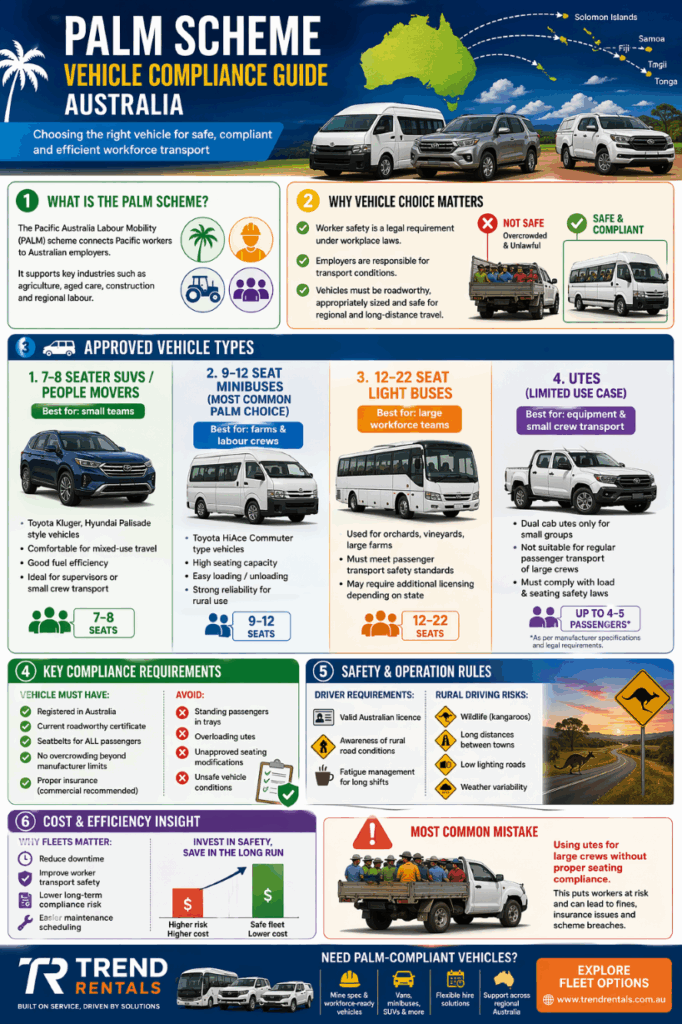
🚧 Why Vehicle Compliance Matters for PALM Employers
Transport is not just a convenience—it’s a compliance responsibility.
Employers under the PALM Scheme must ensure:
- Safe transport to and from work
- Reliable access to accommodation and services
- Compliance with Australian road and workplace safety standards
Failing to meet these expectations can result in:
- Breaches of PALM obligations
- Increased liability
- Higher operational risk
👉 That’s why selecting the right vehicle is essential—not optional.
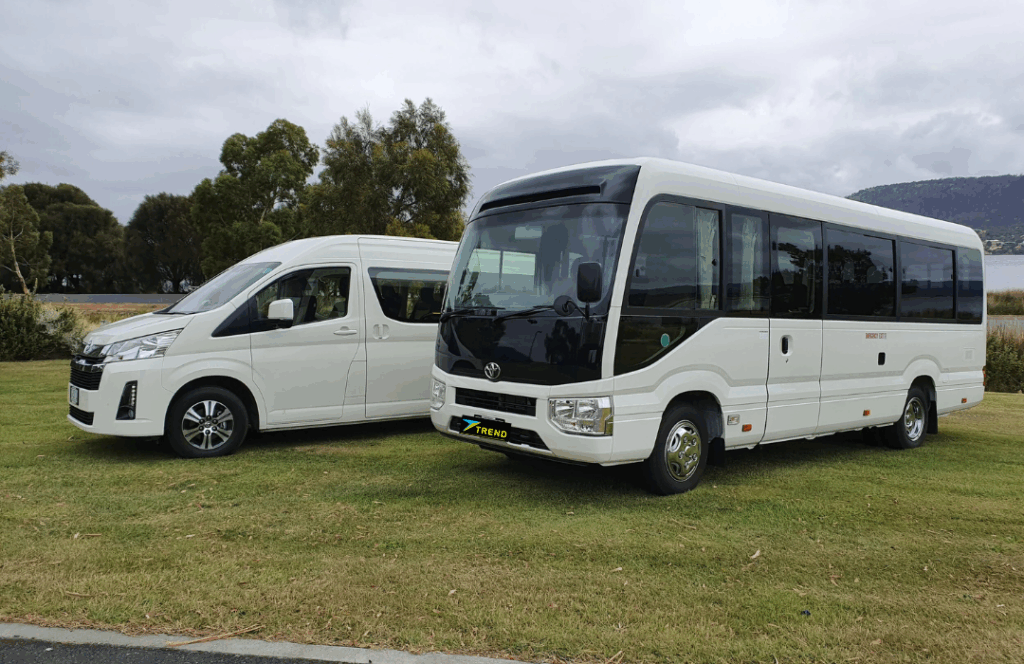
🚐 What Type of Vehicle Is Required?
There is no single mandated vehicle type, but your choice must meet capacity, safety, and suitability requirements.
The most common compliant options include:
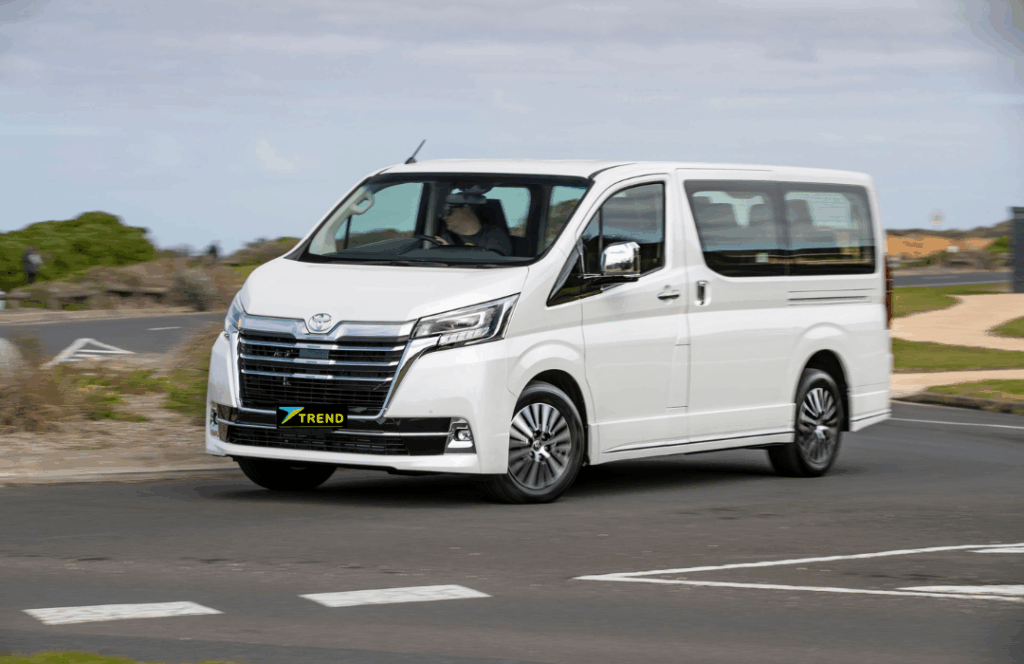
🚐 1. Minibuses (Highly Recommended)
Minibuses are the most popular and efficient choice for PALM Scheme employers.
Why minibuses work:
- Carry 8–24 workers in one vehicle
- Reduce total fleet size
- Lower fuel and operating costs
- Simplify logistics
Best use cases:
- Farm transport
- Regional workforce accommodation transfers
- Daily job site transport
👉 For many employers, a minibus is the most compliant and cost-effective solution.
Have a look into our workers transport calculator to find out if renting a minibus is cheaper than 4 utes.
🚗2. 7–8 Seater Vehicles
These are ideal for smaller teams or supervisors.
Benefits:
- Flexible and easy to drive
- Lower upfront cost than minibuses
- Suitable for mixed transport needs
Limitations:
- Require multiple vehicles for larger groups
- Higher total cost at scale
👉 Best for:
- Small crews
- Support staff
- Overflow transport

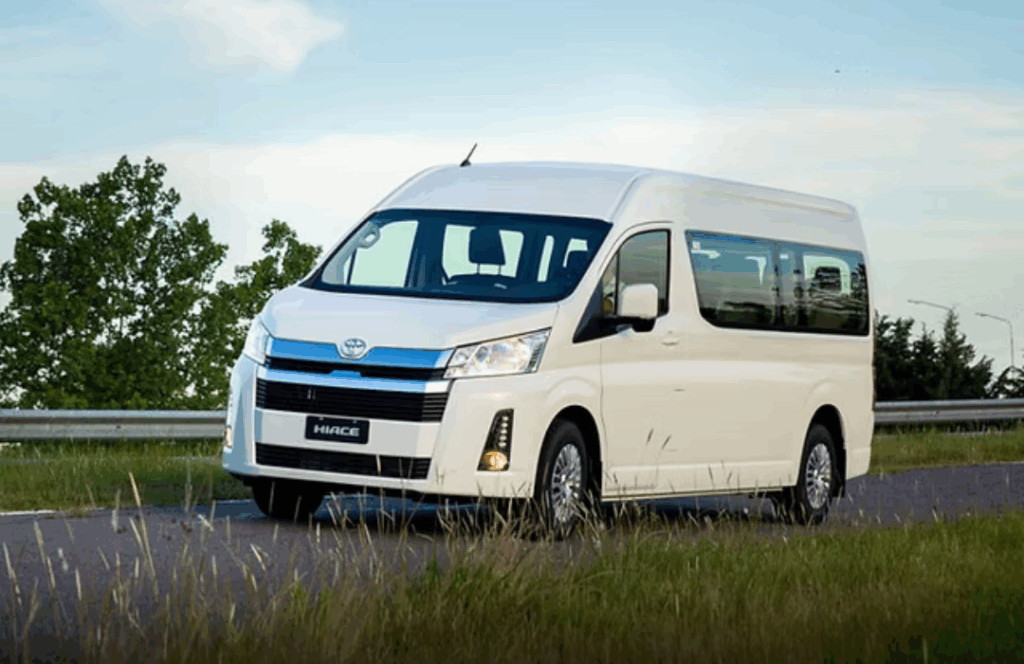
🚐 3. Vans (Cargo + Crew Options)
Vans are useful when you need to transport both workers and equipment.
Advantages:
- Dual-purpose transport
- Strong load capacity
- Durable for regional conditions
👉 Ideal for:
- Maintenance teams
- Agricultural operations
- Mixed transport requirements

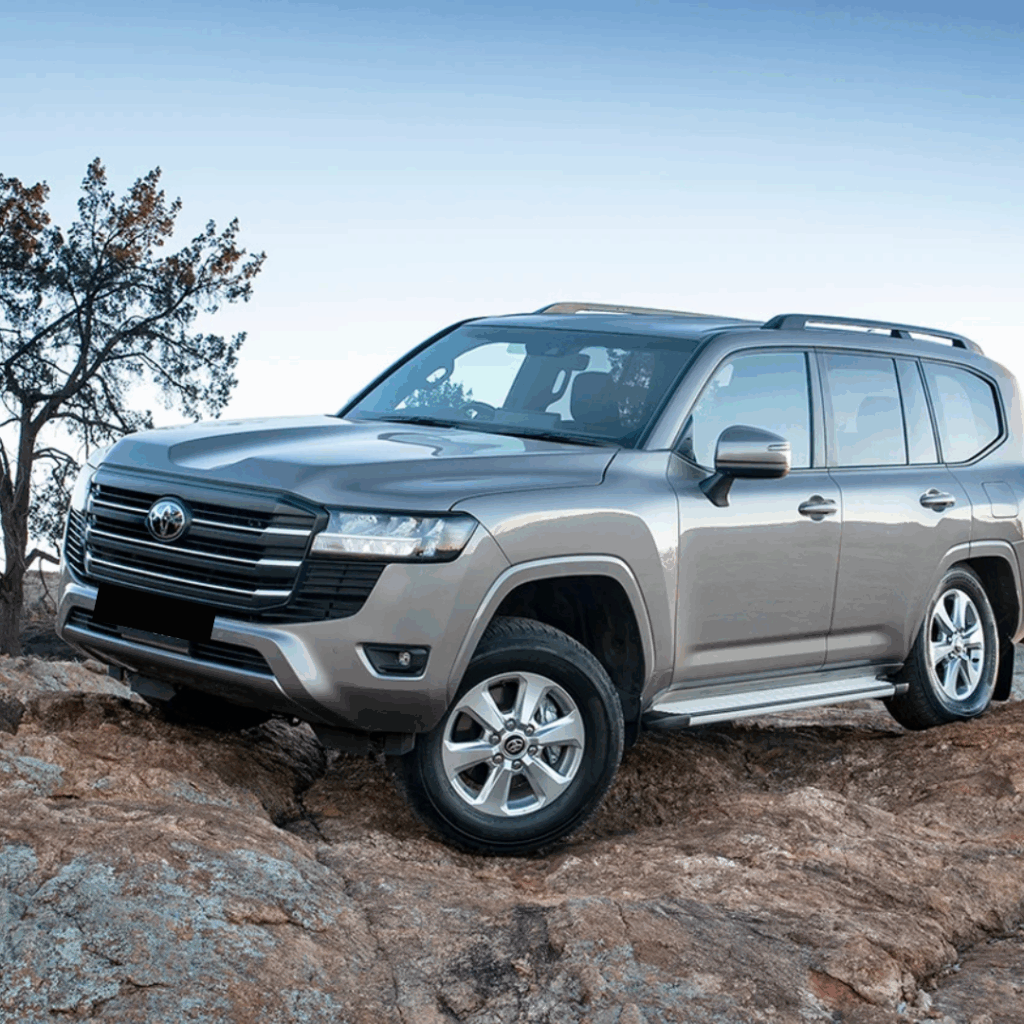
🚙 4. SUVs and Utes (Limited Use Case)
While common in Australia, these are not ideal for PALM compliance at scale.
Why:
- Limited seating capacity
- Inefficient for group transport
- Higher cost per worker
👉 Use only for:
- Supervisors
- Site managers
- Remote access roles
🦺 Key PALM Scheme Vehicle Requirements
To stay compliant, your vehicles must meet several non-negotiable standards.
1. Seating Capacity Must Match Workforce Needs
You must ensure:
- Enough seats for all workers
- No overcrowding
👉 Overloading vehicles is a major compliance risk
2. Roadworthy and Well Maintained
All vehicles must be:
- Registered
- Regularly serviced
- Safe for regional driving conditions
👉 Maintenance records may be required during audits
3. Licensed Drivers Only
Drivers must:
- Hold appropriate licences
- Be trained for the vehicle type
👉 For minibuses:
- Additional licence classes may apply
4. Insurance Coverage
You must have:
- Comprehensive vehicle insurance
- Public liability coverage
👉 This protects both workers and your business
5. Safety Features
Recommended (and often expected):
- Seatbelts for all passengers
- Airbags
- Reverse cameras
- GPS tracking (optional but useful)
📊 Minibus vs Multiple Cars: What’s Better for Compliance?
Many employers consider using multiple cars instead of a minibus.
👉 But from both a cost and compliance perspective, minibuses usually win.
Minibus:
- One vehicle to manage
- Easier compliance
- Lower fuel costs
Multiple cars:
- More drivers required
- Higher admin burden
- Increased safety risk
🌏 Regional Queensland: Why Vehicle Choice Matters More
In areas like:
- Mareeba
- Bundaberg
- Townsville
- Sunshine Coast
Transport challenges include:
- Long distances
- Limited public transport
- Remote worksites
👉 This makes reliable fleet vehicles essential for compliance

🚀 Renting vs Buying Vehicles for PALM Compliance
This is one of the biggest decisions employers face.
🚗 Buying Vehicles
Pros:
- Full ownership
- Long-term asset
Cons:
- High upfront cost
- Depreciation
- Maintenance responsibility
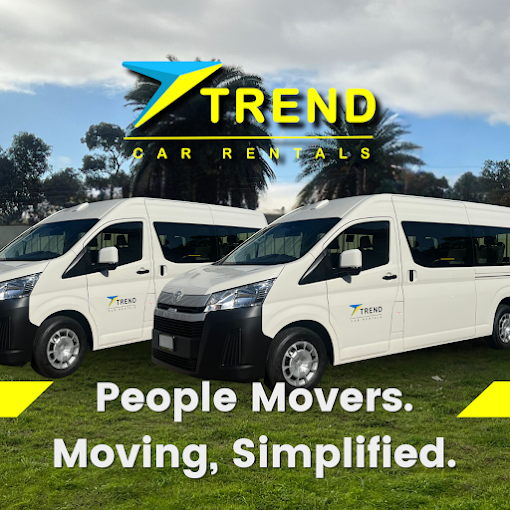
🚐 Hiring Vehicles (Recommended)
Pros:
- No large upfront investment
- Flexible fleet size
- Maintenance included
- Easy upgrades
💡 Why Vehicle Hire Is Ideal for PALM Employers
PALM workforce demand can fluctuate based on:
- Seasonality
- Project duration
- Workforce size
👉 Hiring allows you to:
- Scale up or down quickly
- Avoid idle vehicles
- Stay compliant without long-term commitments
📈 Cost Considerations
When choosing vehicles, consider:
- Fuel efficiency
- Maintenance costs
- Insurance
- Driver requirements
👉 Minibuses often deliver the lowest cost per worker
🧠 Common Mistakes to Avoid
❌ Using too many small vehicles
- Leads to higher costs
- More drivers needed
- Increased compliance risk
❌ Ignoring maintenance
- Can lead to breakdowns
- Safety issues
- Compliance breaches
❌ Choosing the cheapest option
- May lack safety features
- Not suitable for regional conditions
🔍 How to Choose the Right Vehicle (Step-by-Step)
Step 1: Assess workforce size
- 1–5 workers → 7–8 seater
- 6–20 workers → minibus
Step 2: Consider location
- Remote → durable vehicles
- Regional → fuel efficiency matters
Step 3: Evaluate usage
- Daily transport → reliability key
- Occasional → flexibility matters
Step 4: Decide hire vs buy
👉 Most PALM employers benefit from hiring
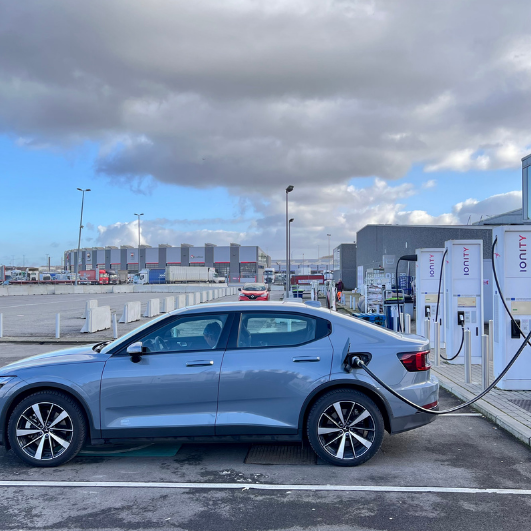
🌱 Future Trends: EVs and PALM Transport
Electric vehicles are growing in Australia, but:
- Charging infrastructure is limited in remote areas
- Range may not suit long-distance travel
👉 For now:
- Diesel and petrol vehicles remain the standard
🚧 Final Checklist for PALM Compliance
Before selecting a vehicle, ensure:
✔ Enough seating capacity
✔ Fully insured
✔ Roadworthy and maintained
✔ Licensed driver
✔ Suitable for regional conditions
🏆 Final Verdict
👉 So, what vehicle do you need for PALM Scheme compliance?
Best overall choice:
Best for small teams:
Best for mixed use:
Vans
🚀 Conclusion
Transport is a critical part of PALM Scheme compliance—and choosing the right vehicle can significantly impact your costs, safety, and efficiency.
For most employers in regional Queensland, minibus hire offers the best balance of compliance, cost savings, and operational simplicity.
If you want a flexible, reliable solution that grows with your workforce, vehicle hire is the smart choice.