Moving workers between job sites sounds simple—until you’re the one responsible for making it happen every single day. Across Australia, especially in regional and high-demand industries, workforce transport has quietly become one of the most underestimated operational challenges. It sits in the background, often overlooked, yet it directly impacts safety, productivity, compliance, and cost.
For businesses operating in construction, agriculture, mining support, or under structured workforce programs, the question isn’t whether you need transport—it’s whether your current solution is holding you back. Many companies still rely on a mix of utes and standard cars, piecing together transport with whatever vehicles are available. On paper, it might seem flexible. In reality, it often introduces inefficiencies, risks, and hidden costs that compound over time.
Minibus hire offers a fundamentally different approach. Instead of patching together transport across multiple vehicles, it centralises movement into a single, purpose-built solution designed for people, not cargo. The difference isn’t just operational—it’s strategic.
The Hidden Complexity of Multi-Vehicle Transport
At first glance, using multiple cars or utes feels like the easier option. Vehicles are readily available, drivers are familiar with them, and there’s no need to think about capacity planning. But that simplicity fades quickly once daily operations begin.
Each additional vehicle introduces another variable. Different departure times, different driving styles, different arrival speeds. Workers arrive at staggered intervals, supervisors spend time coordinating instead of managing productivity, and delays become part of the routine rather than the exception.
In regional Australia, where distances between accommodation and worksites can stretch significantly, these inefficiencies are magnified. A convoy of vehicles doesn’t move like a unit—it fragments. One driver gets delayed, another takes a wrong turn, and suddenly your entire schedule shifts.
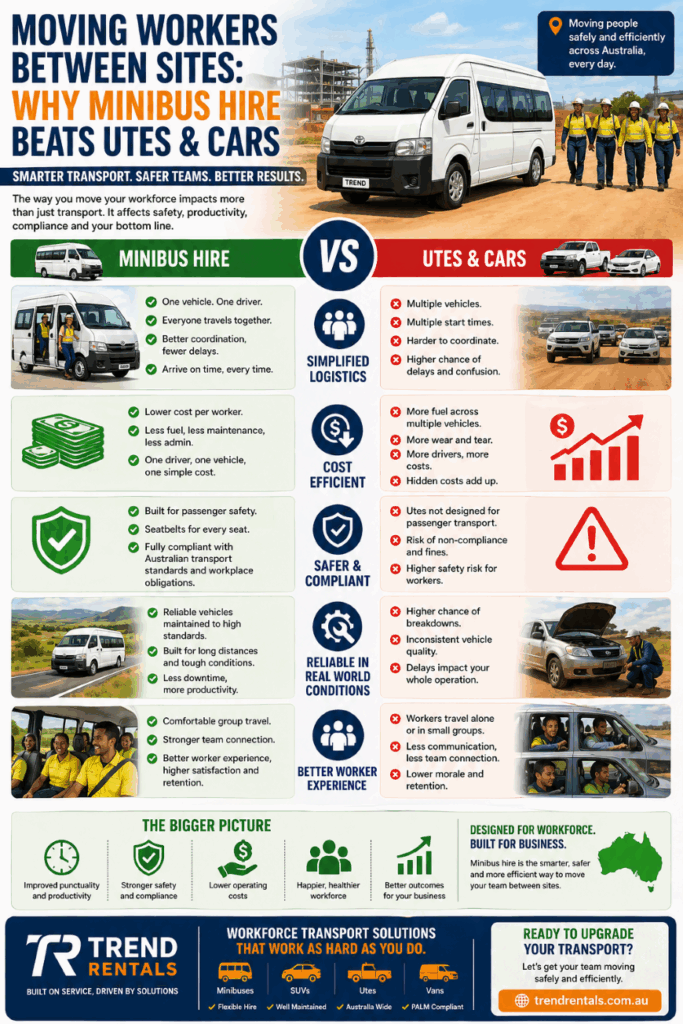
Minibus hire eliminates that fragmentation. It replaces a scattered system with a single, coordinated movement. Everyone travels together, arrives together, and starts work together. What seems like a small change quickly becomes a major operational advantage.
For businesses already exploring more structured transport solutions through vehicle hire services, this shift often marks the point where logistics start working for them instead of against them.
Designed for People, Not Compromise
The fundamental issue with using utes and standard cars for worker transport is that they were never designed for that purpose. Utes are built for carrying tools, equipment, and materials. Cars are designed for small groups or personal use. When they’re repurposed for workforce transport, compromises are inevitable.
Those compromises often show up in ways that aren’t immediately obvious. Limited seating leads to multiple trips or overcrowding. Storage space gets sacrificed for passengers. Comfort is reduced, especially over longer distances. Over time, these small compromises affect both efficiency and worker experience.
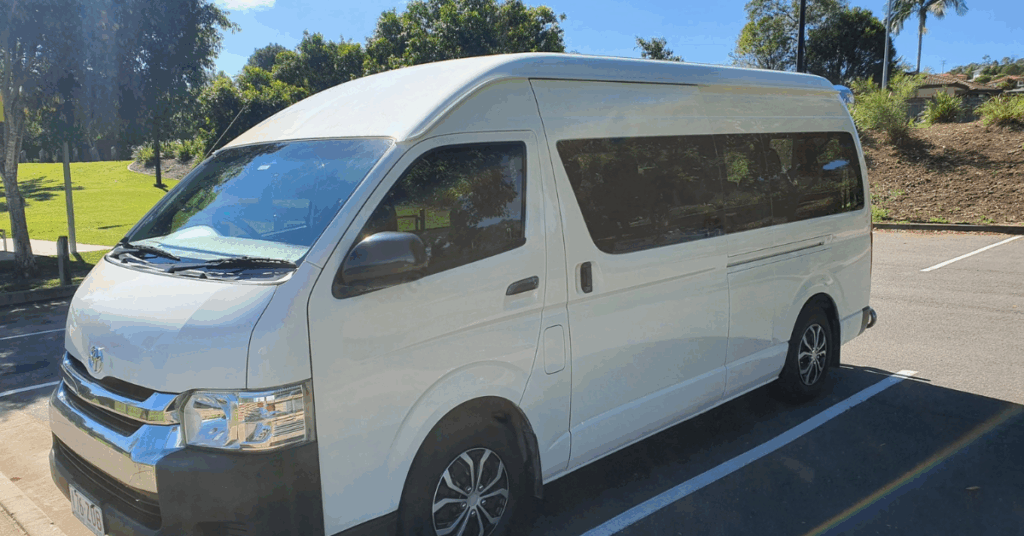
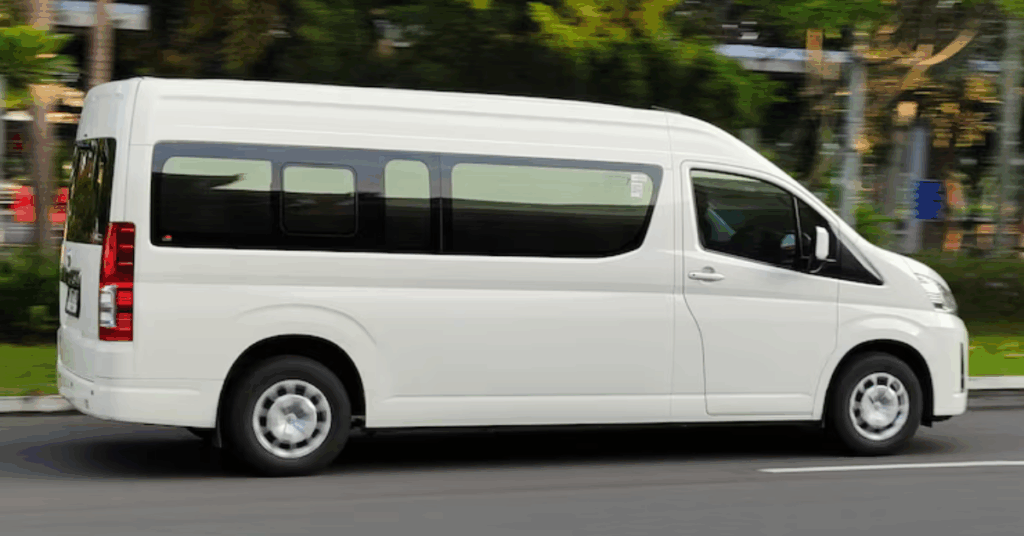
A minibus, on the other hand, is purpose-built for transporting people. Every seat is designed for a passenger. Every safety feature is aligned with occupancy. The layout supports group travel without forcing trade-offs between comfort and capacity.
This distinction becomes particularly important in industries where transport is a daily requirement rather than an occasional task. When moving workers is part of your core operation, the vehicle you choose should reflect that reality.
Compliance Is Not Optional
Australia’s workplace and transport regulations place a clear responsibility on employers to ensure that workers are transported safely. This responsibility becomes even more significant under programs like the PALM scheme, where transport standards are closely scrutinised.
Using utes or standard cars can create compliance grey areas, especially when vehicles are pushed beyond their intended use. Overloading, inadequate seating arrangements, or lack of proper safety features can expose businesses to legal risks that far outweigh any perceived cost savings.
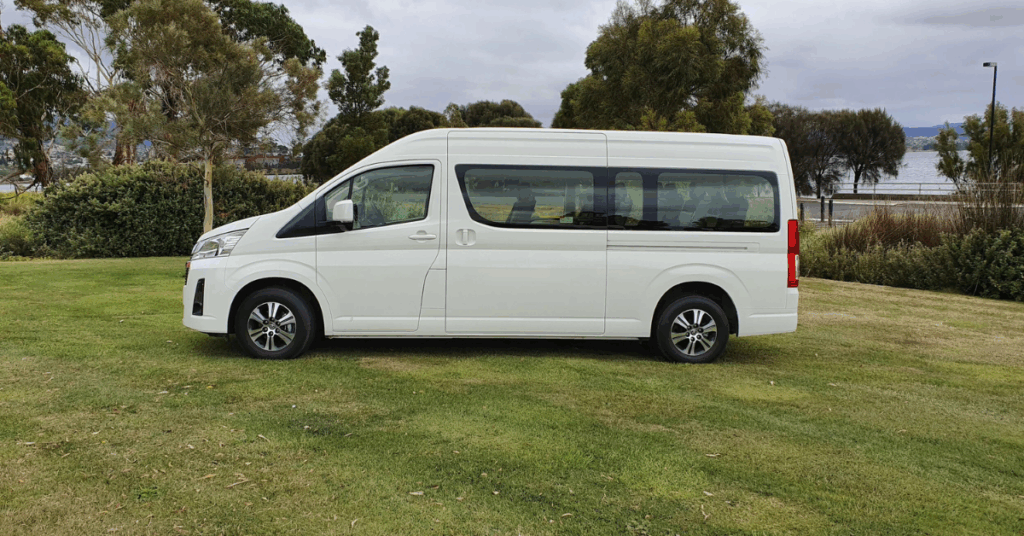
Minibuses remove that uncertainty. They are built to meet passenger transport requirements, with proper seating configurations, seatbelts for every occupant, and design standards that align with safety regulations. Hiring a compliant vehicle means you’re not retrofitting a solution—you’re starting with one that already meets expectations.
For businesses navigating workforce transport requirements, understanding the importance of compliance is critical. Resources like this guide to PALM scheme vehicle compliance highlight how the right vehicle choice can simplify obligations and reduce risk.
Beyond regulations, there’s also a broader responsibility. Providing safe transport isn’t just about avoiding penalties—it’s about ensuring that workers arrive and return safely every day. That responsibility becomes easier to fulfil when the vehicle itself is designed for the task.
Cost Efficiency That Goes Beyond Fuel
One of the most persistent misconceptions about minibus hire is that it’s more expensive than using existing vehicles. On the surface, comparing a single hire cost to owned vehicles can make it seem that way. But a deeper look reveals a different picture.
Running multiple cars or utes involves more than just fuel. There’s maintenance, insurance, depreciation, and the administrative effort required to manage multiple assets. Each vehicle represents a separate cost centre, and those costs accumulate quickly.
There’s also the cost of inefficiency. When workers arrive at different times, when coordination breaks down, when delays become routine, productivity suffers. These indirect costs are harder to measure but often more significant than direct expenses.
A minibus consolidates these variables into a single, predictable cost. Fuel usage per worker decreases, maintenance is centralised, and coordination becomes simpler. Instead of managing multiple moving parts, businesses operate with a streamlined system that is easier to control and optimise.
For organisations looking at long-term operational efficiency, exploring flexible fleet options through commercial vehicle hire solutions can reveal opportunities to reduce both direct and indirect costs.
Reliability in the Real World
Transport doesn’t happen in ideal conditions. It happens on rural roads, in changing weather, across long distances, and often under time pressure. In these environments, reliability becomes a defining factor.
A fleet of mixed vehicles introduces variability. Different ages, different maintenance histories, different performance levels. When one vehicle fails, the entire system is affected. Workers are delayed, schedules shift, and productivity takes a hit.
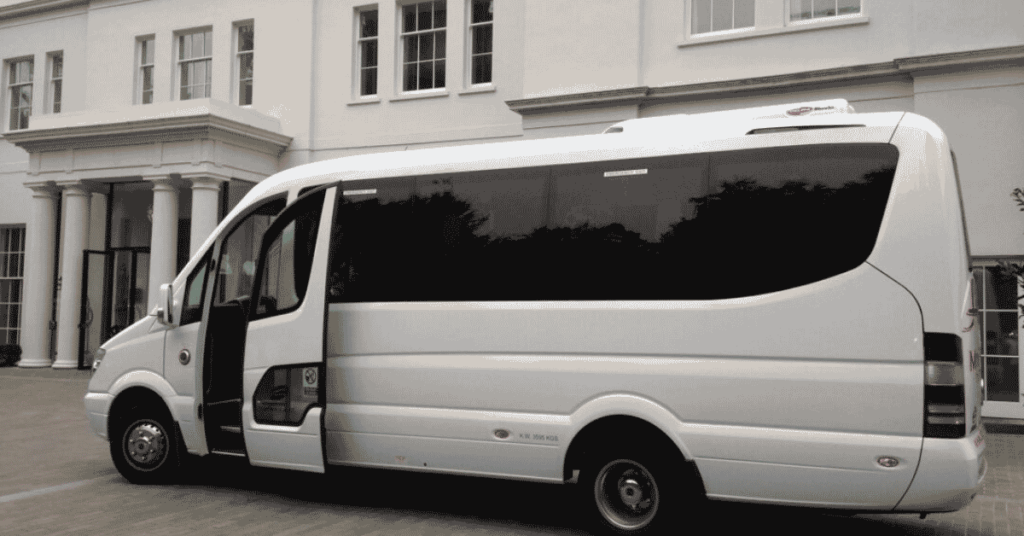
Minibuses hired from professional providers are typically maintained to high standards, with regular servicing and fleet management practices that prioritise reliability. This consistency reduces the likelihood of unexpected disruptions and provides a level of dependability that ad-hoc vehicle arrangements struggle to match.
There’s also a psychological element to reliability. When workers know that transport will be consistent, it creates a sense of stability. They can focus on their work rather than worrying about how they’ll get there.
The Human Side of Transport
It’s easy to think of transport purely in logistical terms, but the human element is just as important. The journey to and from work shapes the daily experience of workers in ways that are often underestimated.
Travelling in separate vehicles can feel fragmented. Communication is limited, the sense of team cohesion is reduced, and the journey becomes an isolated experience. Over time, this can affect morale, especially for workers who are already operating in unfamiliar environments.
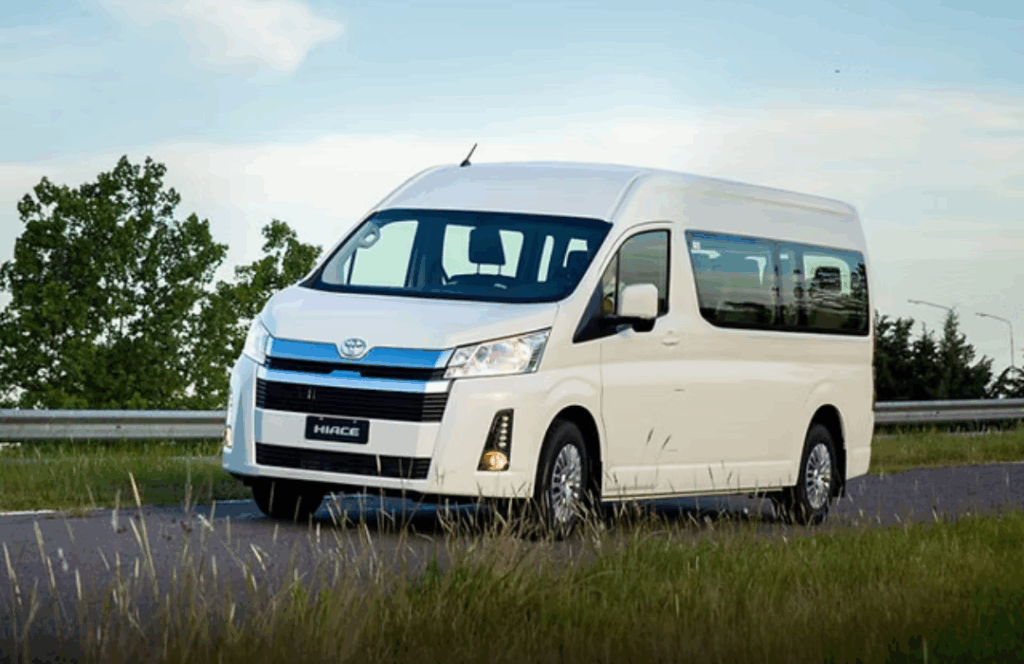
A minibus changes that dynamic. It creates a shared space where workers travel together, interact, and build a sense of community. Conversations happen naturally, relationships develop, and the workday begins and ends with a shared experience.
For seasonal workers, particularly those participating in structured programs, this sense of connection can be incredibly valuable. It supports wellbeing, reduces isolation, and contributes to a more positive overall experience.
Businesses that recognise this often find that improved transport leads to improved retention. Workers who feel supported are more likely to stay, and in industries where labour availability is a constant challenge, that stability is a significant advantage.
Flexibility Without the Burden of Ownership
One of the key advantages of hiring a minibus rather than owning multiple vehicles is flexibility. Workforce requirements change, sometimes rapidly. Projects expand, contracts shift, seasons peak and decline. A fixed fleet doesn’t always align with these changes.
Owning vehicles ties up capital and creates ongoing obligations, regardless of whether those vehicles are fully utilised. Hiring, on the other hand, allows businesses to scale their transport solution in line with demand.
During peak periods, additional capacity can be added quickly. When demand drops, costs can be reduced without the burden of underutilised assets. This adaptability is particularly valuable in industries where predictability is limited.
For companies navigating fluctuating workforce needs, flexible transport options provide a way to remain agile without sacrificing reliability or compliance.
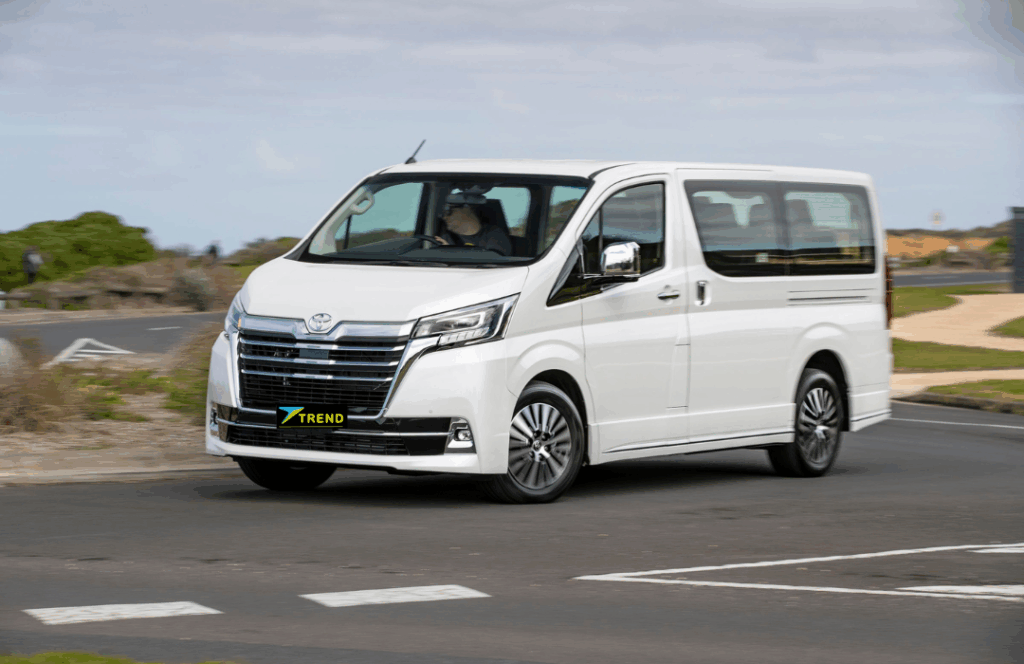
A Shift from Convenience to Strategy
What often starts as a convenience decision—using available cars or utes—can become a limiting factor as operations grow. Transport that once worked adequately begins to show its limitations, and the cost of inefficiency becomes more apparent.
Switching to a minibus isn’t just about upgrading a vehicle. It’s about rethinking how workers move between sites and recognising transport as a strategic component of operations.
Businesses that make this shift often notice improvements beyond transport itself. Schedules become more predictable, teams become more cohesive, and management can focus on higher-value tasks rather than daily coordination.
Have a look into our workers transport calculator to find out if renting a minibus is cheaper than 4 utes.
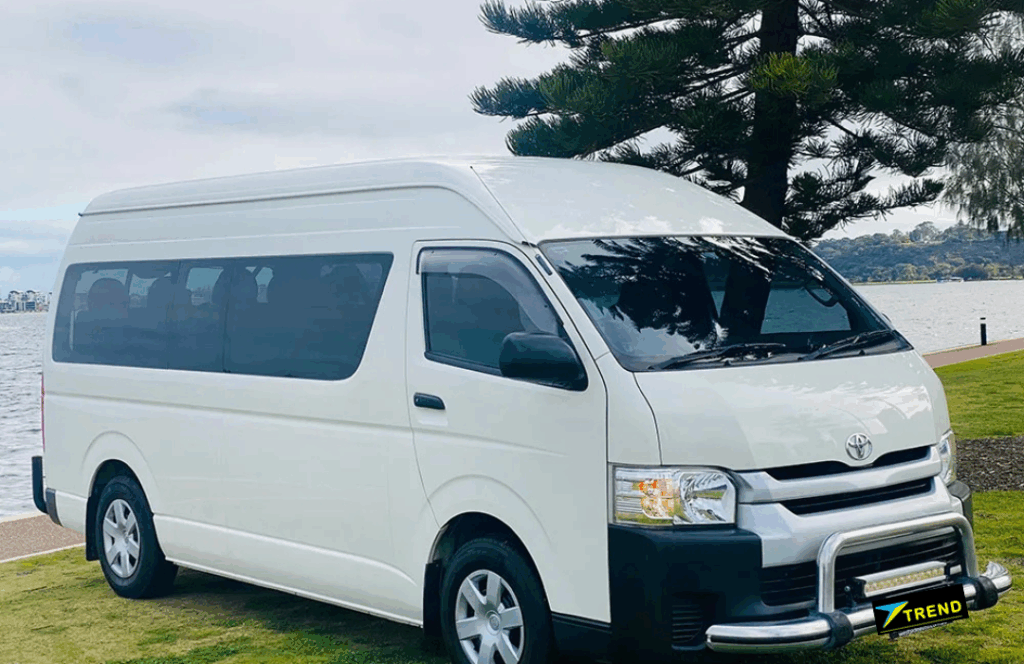
Conclusion: The Smarter Way to Move Workers
Moving workers between sites is a daily reality for many Australian businesses, but the way it’s done can vary dramatically. While utes and cars may offer short-term convenience, they often fall short when it comes to efficiency, compliance, and scalability.
Minibus hire provides a solution that aligns with the realities of modern operations. It simplifies logistics, supports safety requirements, reduces costs over time, and enhances the overall experience for workers.
In a landscape where efficiency and compliance are increasingly important, the choice of transport is no longer a minor detail. It’s a decision that can influence productivity, profitability, and long-term success.
For businesses looking to improve how they move their workforce, the answer isn’t more vehicles—it’s the right one.