
Quick Summary
If you’re hiring seasonal workers in regional Australia—especially under the PALM scheme—transport costs can quietly become one of your biggest operational expenses.
Here’s the simple takeaway:
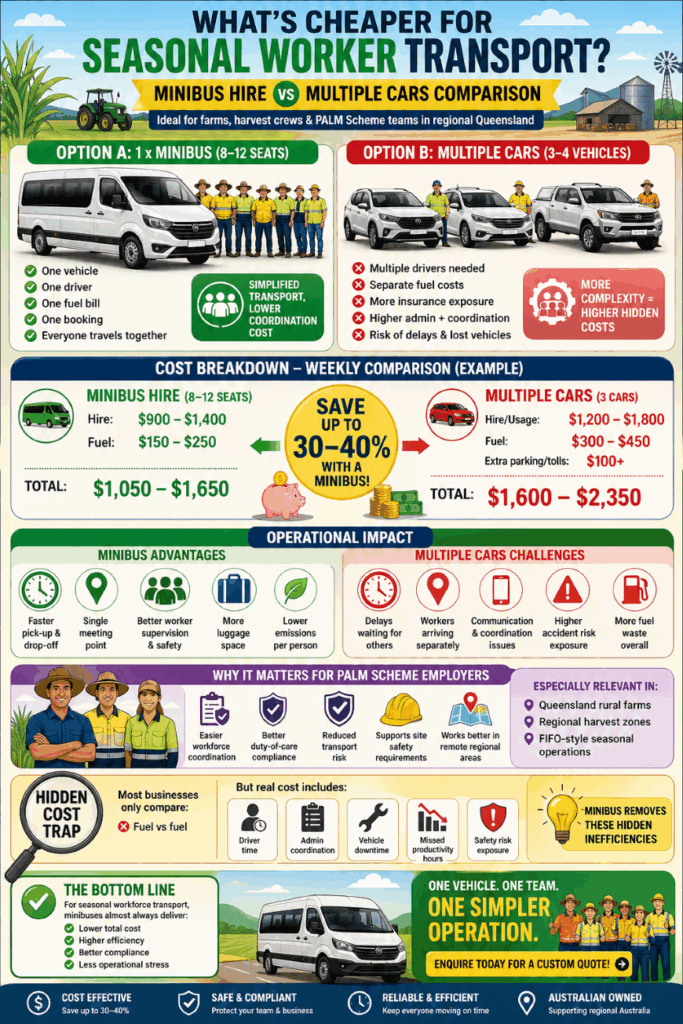
- A minibus is usually cheaper and simpler for groups of 6–12 workers
- Multiple cars often increase fuel, insurance, admin, and maintenance costs
- The cost of hiring a minibus can be 20–45% lower than running several small vehicles
- Minibuses improve coordination, compliance, and workforce efficiency
👉 For most seasonal workforce operations, a minibus wins on cost, efficiency, and logistics.
Why Transport Costs Matter for Seasonal Workforces
Seasonal industries in regional Australia—agriculture, horticulture, viticulture, and processing—depend heavily on reliable workforce mobility.
For PALM scheme employers especially, transport is not optional. It directly affects:
- Shift punctuality
- Productivity per day
- Worker safety compliance
- Housing-to-worksite logistics
- Labour retention
Yet many businesses still default to hiring multiple small cars without comparing the real cost of hiring a minibus.
That’s where hidden costs start stacking up.

Understanding the Real Cost of Hiring a Minibus
When evaluating the cost of hiring a minibus, most businesses only look at the daily rental rate.
That’s only part of the picture.
1. Base Rental Cost
Typical Australian seasonal hire rates:
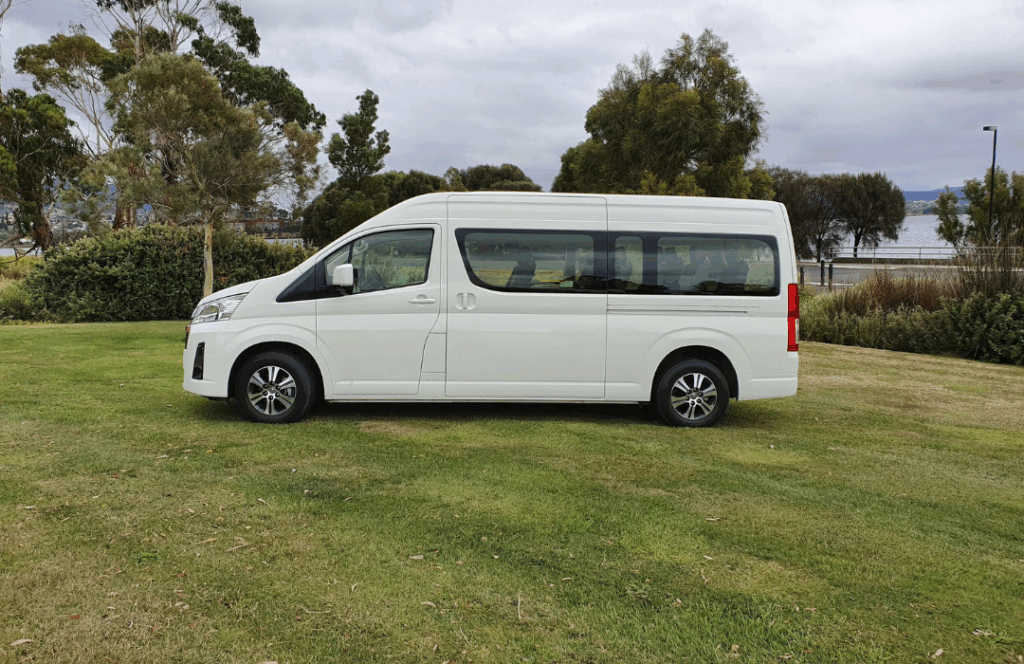
- 12-seater minibus: $120 – $220 per day
- 8-seater people mover: $90 – $180 per day
This already covers a large group in one vehicle.
2. Fuel Efficiency Advantage
A minibus is not always more fuel-hungry than multiple vehicles combined.
Example:
- 1 minibus: ~10–13L/100km
- 3 small cars: ~7–9L/100km each → total 21–27L/100km
👉 Even if the minibus uses more fuel per vehicle, it is significantly cheaper per group transported.
Have a look into our workers transport calculator to find out if renting a minibus is cheaper than 4 utes.
3. Insurance & Registration Savings
One of the most overlooked cost drivers:
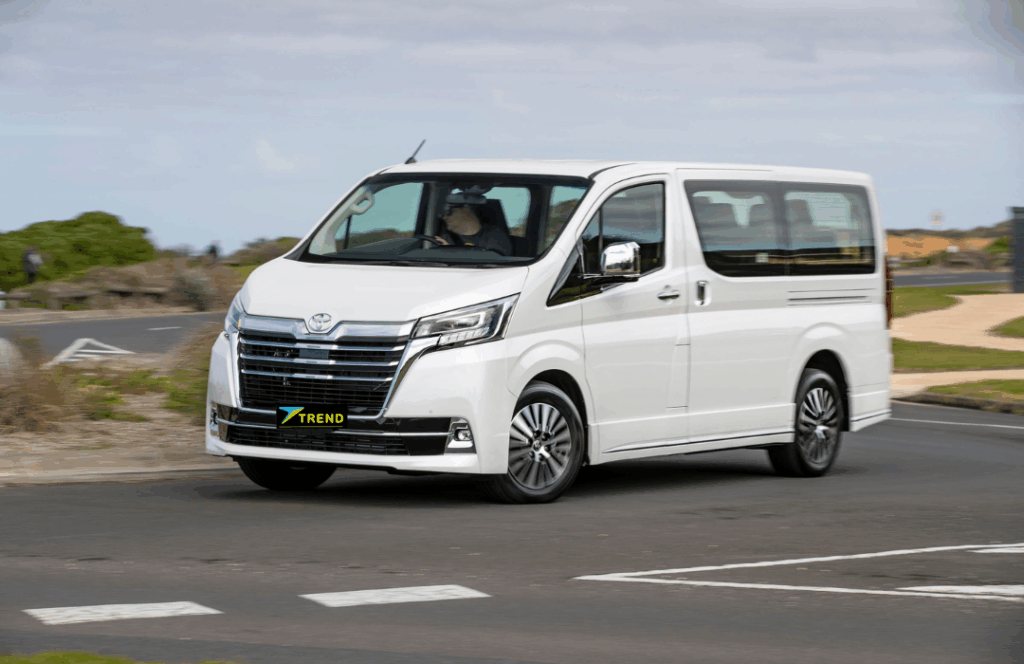
- 1 minibus = 1 insurance policy
- 3–4 cars = 3–4 insurance policies
You also reduce:
- Registration fees
- Maintenance schedules
- Breakdown risk exposure
4. Labour Efficiency Gains
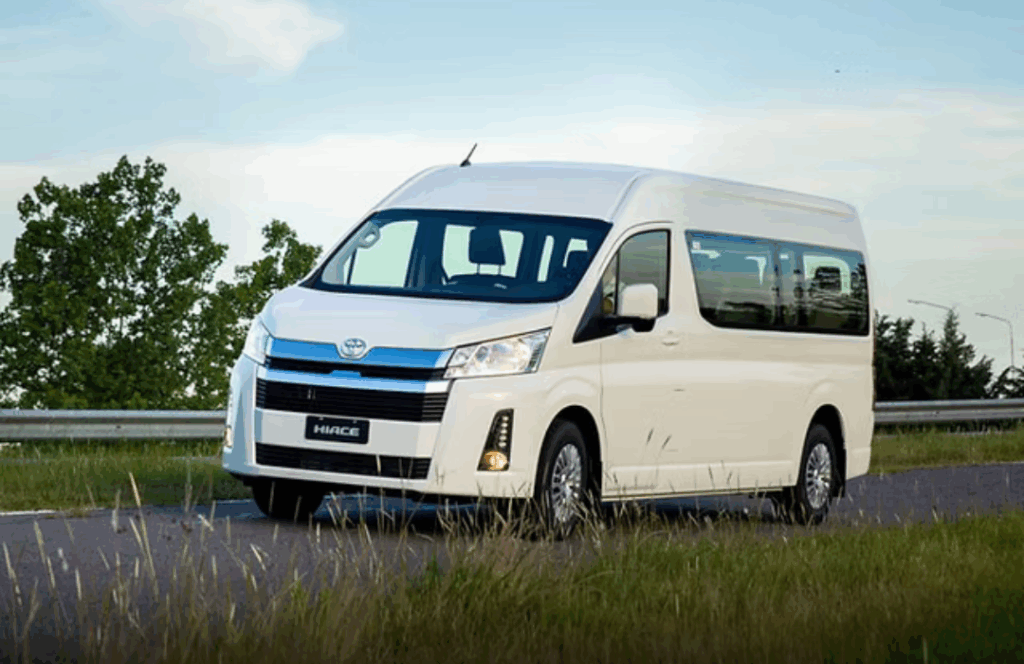
A minibus reduces:
- Driver allocation complexity
- Key handover delays
- Fuel reimbursement tracking
- Vehicle coordination issues
This translates into real payroll savings, especially in multi-shift operations.

Cost of Minibus vs Multiple Cars (Side-by-Side Breakdown)
Let’s compare a real-world seasonal workforce scenario.
Scenario:
- 10 seasonal workers
- 6-week harvest period
- 6 days per week
- 50 km per day travel (round trip)
Option A: Multiple Cars (3–4 vehicles)
Costs:
- 4 small cars @ $80/day = $320/day
- Fuel (combined) = $90–$140/day
- Insurance uplift + admin = $30–$60/day
Total daily cost:
👉 $440 – $520/day
Total for 6 weeks:
👉 $18,480 – $21,840

Option B: One Minibus (12-seater)
Costs:
- Minibus hire = $180/day
- Fuel = $70–$110/day
- Insurance/admin = included or minimal uplift
Total daily cost:
👉 $250 – $290/day
Total for 6 weeks:
👉 $10,500 – $12,180

💡 Key Result:
👉 Hiring a minibus saves $7,000 – $10,000 per season
That’s a 35–45% cost reduction in many cases.
Why Minibuses Are Better for PALM Scheme Employers
For PALM scheme companies managing seasonal labour from the Pacific Islands, compliance and structure matter just as much as cost.
1. Centralised Workforce Movement
Instead of tracking multiple vehicles:
- One departure point
- One arrival schedule
- One accountability system
This reduces logistical breakdowns dramatically.
2. Improved Safety Compliance
Minibuses support:
- Seatbelt compliance tracking
- Reduced fatigue risk (fewer drivers needed)
- Easier maintenance scheduling
- Centralised vehicle inspections
3. Reduced Administrative Burden
With multiple cars, admin teams must manage:
- Fuel receipts
- Reimbursements
- Insurance claims
- Maintenance logs
A minibus simplifies everything into one system.

Real-Life Case Study: Vineyard Operation (Regional SA)
A mid-sized vineyard near regional South Australia previously used:
- 3 sedans + 1 dual-cab ute
- For 9 seasonal workers
Problems they faced:
- Constant coordination delays
- One vehicle breakdown disrupted entire shift
- High fuel reimbursement claims
- Driver shortages during peak season
What they switched to:
- 2 x 12-seater minibuses via seasonal hire
Results after 1 season:
- Transport cost reduced by 38%
- Late arrivals reduced by 70%
- Admin workload reduced by half
- Worker satisfaction improved significantly
👉 The biggest win wasn’t just cost—it was operational stability.
When Multiple Cars Might Still Make Sense
While minibuses often win, there are exceptions.
You may prefer multiple cars if:
- Workers operate in small, separate teams
- Sites are geographically scattered
- You need flexible, independent movement
- You already own fleet vehicles with sunk costs
However, even in these cases, hybrid models often work better:
👉 1 minibus + 1 support ute is a common optimal mix

Hidden Costs Businesses Often Miss
Even experienced operators underestimate:
1. Downtime Cost
One breakdown in a multi-car setup = partial workforce delay
One minibus breakdown = full workforce delay (but easier to replace with backup hire)
2. Fuel Leakage & Inefficiency
Multiple drivers = less control over fuel usage patterns
3. Time Fragmentation
Small inefficiencies per vehicle multiply across a season:
- 10 minutes lost per vehicle per day = hours lost weekly
Step-by-Step: How to Decide What’s Cheaper
Here’s a simple decision framework:
Step 1: Count workers per shift
- 6–12 workers → minibus preferred
- 2–4 workers → cars may be fine
Step 2: Measure travel distance
- Under 20km/day → either option works
- Over 30km/day → minibus advantage increases
Step 3: Calculate admin cost
Include:
- Staff coordination time
- Fuel tracking effort
- Booking and logistics
Step 4: Compare total cost (not just rental)
Always include:
- Fuel
- Insurance
- Labour coordination
- Downtime risk
Why Smart Employers Are Switching to Minibus Hire
Across Australia, especially in agriculture-heavy regions, the trend is clear:
- Less fragmentation
- Lower operational cost
- Better workforce control
- Higher compliance confidence
The cost of hiring a minibus is no longer just a transport decision—it’s a workforce strategy decision.
Internal Links (Trend Rentals Resources)
To explore more fleet solutions for seasonal workforce operations:
- https://www.trendrentals.com.au/
- https://www.trendrentals.com.au/blog/ (fleet insights and cost guides)
- https://www.trendrentals.com.au/vehicle-hire/ (work-ready vehicles for regional operations)
- https://www.trendrentals.com.au/fleet-solutions/ (long-term hire options for employers)
Final Verdict: Minibus vs Multiple Cars
If your goal is cost efficiency + workforce reliability, the data is clear:
👉 Minibuses win for most seasonal workforce operations
👉 Multiple cars only win in highly fragmented or low-density work environments
For PALM scheme employers and regional businesses, switching to a minibus can deliver:
- Lower total transport cost
- Stronger compliance control
- Better workforce productivity
- Simpler operational management
FAQs
1. What is the average cost of hiring a minibus in Australia?
The cost of hiring a minibus typically ranges from $120 to $220 per day, depending on size, location, and hire duration.
2. Is a minibus cheaper than multiple cars?
Yes. In most seasonal workforce scenarios, a minibus is 20–45% cheaper than running multiple small cars when fuel, insurance, and admin are included.
3. What size minibus is best for seasonal workers?
An 8–12 seater minibus is ideal for most PALM scheme and agricultural workforce teams.
4. Are minibuses suitable for regional work sites?
Yes. Minibuses are commonly used in regional Australia for farming, harvesting, and remote workforce transport due to their efficiency and capacity.
5. Can a minibus reduce admin workload?
Absolutely. One vehicle means fewer fuel claims, fewer insurance policies, and simplified scheduling—reducing admin time significantly.