
Quick Summary
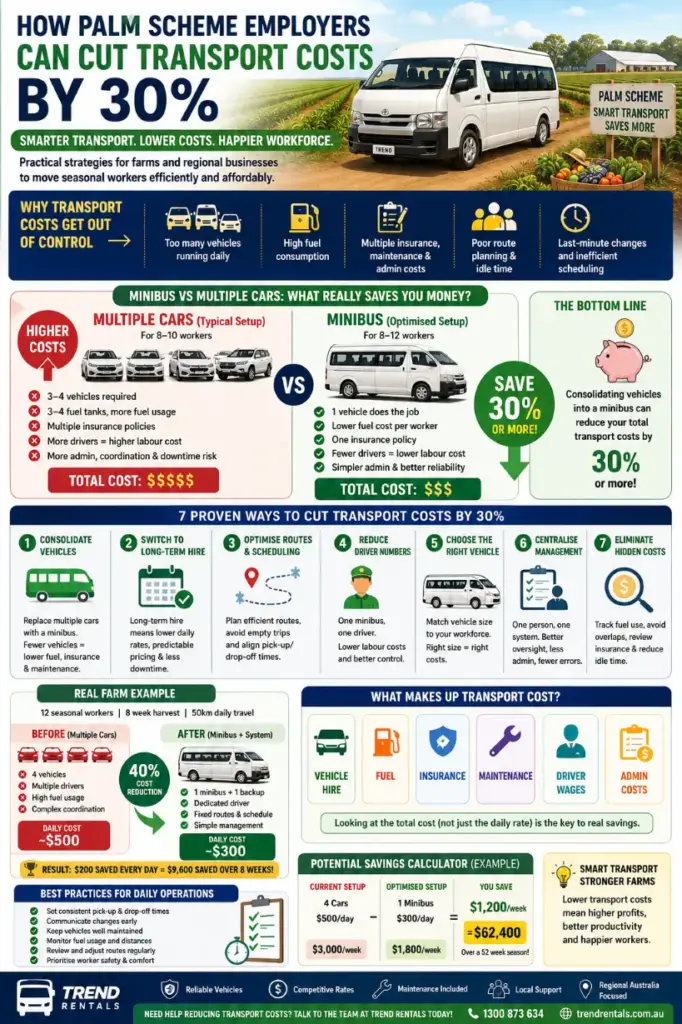
Transport is one of the biggest hidden expenses for PALM scheme employers in regional Australia.
Here’s how to cut costs by up to 30% or more:
- Replace multiple cars with minibus hire
- Switch to long-term rental agreements
- Optimise routes and reduce idle time
- Centralise workforce transport
- Reduce admin, insurance, and fuel duplication
👉 The biggest win comes from understanding the true cost of hiring a minibus vs multiple cars—not just daily rates.
Why Transport Costs Blow Out for PALM Employers
For businesses hiring seasonal workers under the PALM scheme, transport isn’t optional—it’s operational.
But most cost overruns come from:
- Running too many vehicles
- Poor route planning
- Short-term hire inefficiencies
- High admin overhead
- Fuel duplication across drivers
These inefficiencies quietly inflate your transport cost Palm scheme budget.

The Real Cost of Hiring a Minibus vs Multiple Cars
Many employers assume multiple small vehicles are cheaper. In reality, the opposite is often true.
🚗 Multiple Cars (Typical Setup)
For 8–10 workers:
- 3–4 cars required
- 3–4 fuel tanks
- 3–4 insurance policies
- Multiple drivers
Hidden costs:
- Fuel inefficiency
- Admin time
- Vehicle downtime risk
- Driver coordination delays
Have a look into our workers transport calculator to find out if renting a minibus is cheaper than 4 utes.
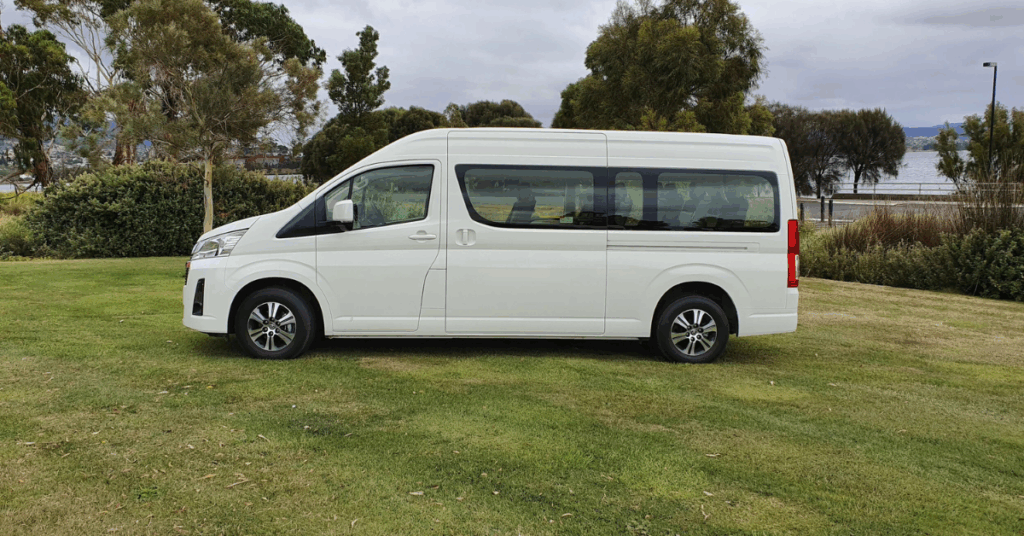
🚐 Minibus (Optimised Setup)
For the same workforce:
- 1 vehicle
- 1 driver
- Centralised movement
Key advantages:
- Lower fuel per worker
- Reduced admin
- Better scheduling
- Higher reliability
💡 Cost Comparison Snapshot
| Expense Category | Multiple Cars | Minibus |
|---|---|---|
| Daily Hire | High | Moderate |
| Fuel | High (combined) | Lower |
| Insurance | Multiple policies | Single |
| Admin Time | High | Low |
| Total Cost | 🔴 Expensive | 🟢 Efficient |
👉 The cost of hiring a minibus is often 20–40% cheaper overall, even if the daily rate looks higher.

7 Proven Ways to Cut Transport Costs by 30%
1. Consolidate Vehicles into Minibuses
This is the biggest cost-saving lever.
Why it works:
- Reduces vehicle count
- Cuts fuel usage
- Minimises insurance duplication
👉 Example:
- 4 cars = $400/day
- 1 minibus = $180/day
Savings: $220/day (~55%)

2. Switch to Long-Term Hire Agreements
Short-term hire looks flexible—but it’s expensive.
Long-term benefits:
- Lower daily rates
- Fixed pricing
- Maintenance included
👉 Ideal for:
- Harvest seasons
- Ongoing workforce housing transport
3. Optimise Routes & Scheduling
Small inefficiencies compound quickly.
Fix this by:
- Creating fixed pickup/drop routes
- Reducing duplicate trips
- Aligning shift times
👉 Even saving 10km per day across a season = significant fuel savings.
4. Reduce Driver Numbers
More vehicles = more drivers.
Hidden cost:
- Paid time spent driving
- Reduced productivity
👉 One minibus = one driver → labour efficiency gain

5. Choose the Right Vehicle Type
Not all vehicles are equal.
Best options for PALM employers:
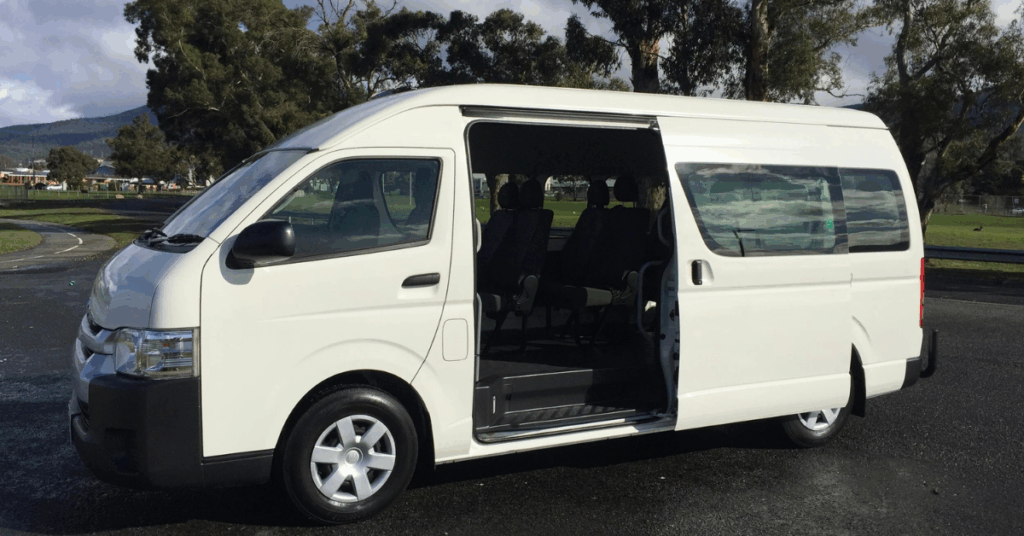
- 8–12 seater minibuses
- People movers
- Site-spec vehicles (for compliance)
Avoid:
- Oversized fleets
- Underutilised cars

6. Centralise Transport Management
Decentralised transport = chaos.
Improve by:
- Assigning one transport coordinator
- Using consistent schedules
- Tracking fuel + usage
👉 This reduces:
- Admin time
- Errors
- Cost leakage

7. Eliminate Hidden Costs
Most employers underestimate:
- Fuel misuse
- Insurance overlaps
- Idle vehicles
- Rebooking fees
👉 Regularly audit your fleet costs monthly.

Real-World Case Study (Regional Australia)
Scenario:
- 10 PALM workers
- 8-week harvest
- 60km daily travel
Before (Multiple Cars):
- 4 vehicles
- Total cost: ~$20,000
Problems:
- Fuel duplication
- Driver shortages
- High admin workload
After (Minibus + Long-Term Hire):
- 1–2 minibuses
- Total cost: ~$13,500
Results:
- 32% cost reduction
- Improved punctuality
- Lower admin time
- Better worker coordination
👉 This is how smart operators reduce transport cost Palm scheme expenses.
Step-by-Step Plan to Reduce Costs
Step 1: Audit Current Fleet
List:
- Number of vehicles
- Daily cost
- Fuel usage
- Driver allocation
Step 2: Calculate Total Cost (Not Just Rental)
Include:
- Fuel
- Insurance
- Admin time
- Downtime risk
Step 3: Compare with Minibus Model
Run a simple test:
- Replace 3 cars with 1 minibus
- Calculate new total cost
Step 4: Move to Long-Term Hire
Lock in:
- Better pricing
- Predictable costs
Step 5: Monitor & Optimise Monthly
Track:
- Fuel efficiency
- Vehicle utilisation
- Cost per worker
Why Minibus Hire is the Future for Seasonal Workforces
Across regional Australia, there’s a clear shift:
- Fewer vehicles
- Higher efficiency
- Better compliance
- Lower cost per worker
The cost of minibus vs multiple cars consistently favours consolidation.

Final Verdict
If you’re managing PALM scheme workers:
👉 The fastest way to cut costs by 30% is to reduce vehicle count and centralise transport
Minibus hire + long-term planning = maximum savings
This isn’t just a cost decision—it’s a productivity and operational strategy.
FAQs
1. What is the cost of hiring a minibus in Australia?
Typically between $120–$220 per day, depending on size and duration.
2. Is a minibus cheaper than multiple cars?
Yes. In most cases, a minibus is 20–40% cheaper overall when fuel, insurance, and admin are included.
3. How can PALM employers reduce transport costs quickly?
- Consolidate vehicles
- Use long-term hire
- Optimise routes
- Reduce drivers
4. What vehicles are best for seasonal workers?
8–12 seat minibuses and people movers are the most cost-effective options.
5. Does long-term hire save money?
Yes. Long-term hire significantly reduces daily rates and improves cost predictability.
✅ Pro Tip:
If you’re still running multiple cars for seasonal workers, you’re likely overspending. A simple fleet restructure can deliver immediate savings.