
Quick Summary
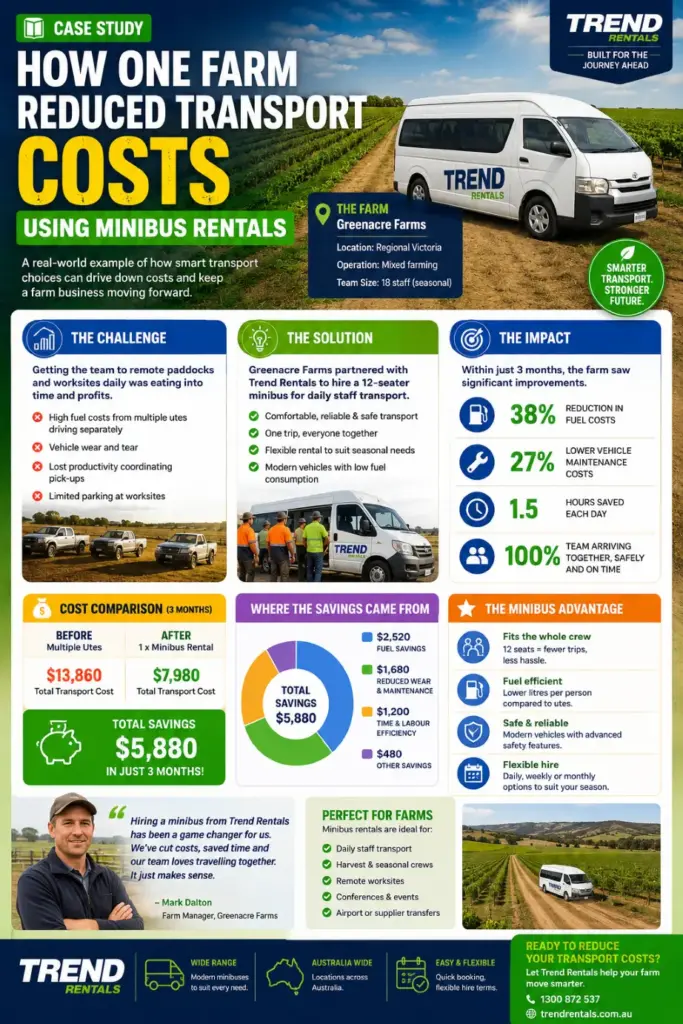
A regional Australian farm reduced its transport cost transporting workers by more than 40% after replacing multiple small vehicles with minibus rentals.
Key changes included:
- Replacing 4 cars with 1–2 minibuses
- Introducing fixed transport schedules
- Reducing driver numbers
- Switching to long-term vehicle hire
- Optimising routes and fuel usage
👉 The result:
- Lower fuel costs
- Simpler logistics
- Better worker punctuality
- Thousands saved during harvest season
Why Transport Costs Are a Growing Problem for Farms
For farms using seasonal labour or the PALM scheme, transport has become one of the fastest-growing operational expenses.
Many businesses focus heavily on:
- Labour costs
- Accommodation
- Equipment
…but underestimate the true cost of moving workers every day.
Have a look into our workers transport calculator to find out if renting a minibus is cheaper than 4 utes.

The Hidden Reality
Transport costs aren’t just about fuel.
They also include:
- Vehicle hire
- Insurance
- Maintenance
- Driver wages
- Admin time
- Downtime risk
This is why understanding the cost of hiring a minibus compared to multiple cars is critical.
Meet the Farm: A Realistic Regional Case Study
Farm Profile
This hypothetical case study is based on common transport setups used across regional Australia.
Farm details:
- Mixed horticulture operation
- Regional South Australia
- 12 seasonal workers
- 8-week harvest period
- Daily travel between accommodation and worksites
Original Transport Setup
Before optimisation, the farm used:
- 4 small vehicles
- Multiple worker drivers
- Flexible pickup schedules
Daily travel:
- Approximately 60km total
The Problems They Faced
At first, the setup seemed manageable.
But over time, transport inefficiencies became expensive.
1. Fuel Costs Were Escalating
Four vehicles meant:
- Four fuel tanks
- Duplicate trips
- Increased idle time
Fuel spend became unpredictable during peak season.
2. Too Many Drivers
Using multiple drivers created:
- Scheduling confusion
- Late arrivals
- Accountability issues
Managers spent significant time coordinating transport instead of running operations.
3. Insurance & Maintenance Costs Added Up
Multiple cars meant:
- Multiple insurance policies
- More servicing
- Higher breakdown risk
One vehicle issue often disrupted an entire shift.
4. Admin Time Increased
Staff had to manage:
- Fuel reimbursements
- Vehicle scheduling
- Driver coordination
- Maintenance tracking
The hidden labour cost became substantial.
The Turning Point: Switching to Minibus Rentals
After reviewing their costs, the farm trialled a different model.
Instead of using multiple small cars, they switched to:
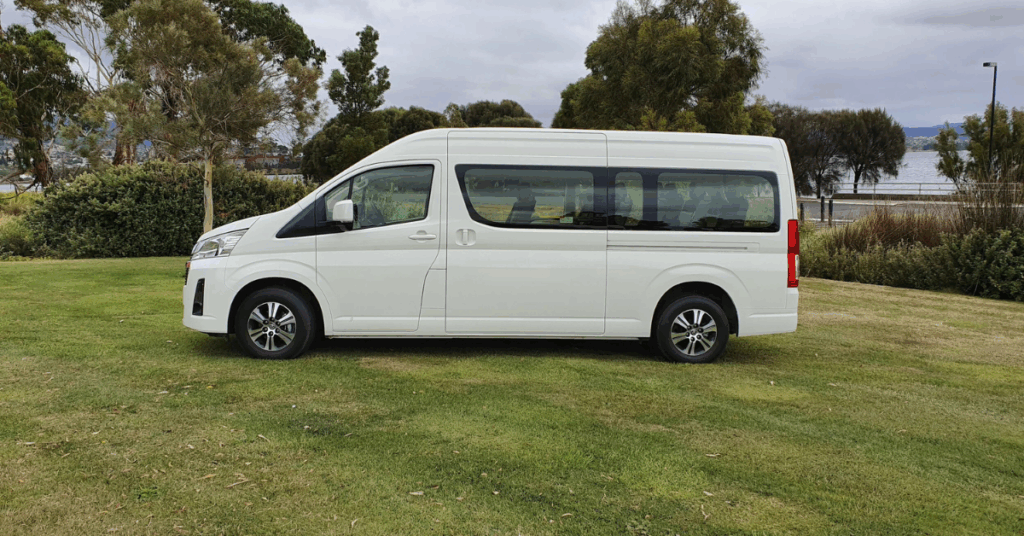
- 1 x 12-seater minibus
- 1 backup utility vehicle
- Fixed pickup and drop-off schedules

Why They Chose Minibuses for Seasonal Workers
The decision came down to efficiency.
Key reasons:
- Lower cost per worker transported
- Fewer drivers required
- Easier scheduling
- Simplified maintenance
The farm also wanted more predictable budgeting during harvest season.
Comparing the Numbers: Before vs After
🚗 BEFORE: Multiple Cars Setup
Fleet:
- 4 small vehicles
Estimated weekly costs:
| Expense | Weekly Cost |
|---|---|
| Vehicle hire | $1,400 |
| Fuel | $650 |
| Insurance | $280 |
| Driver labour | $550 |
| Admin overhead | $220 |
Total:
👉 ~$3,100/week
🚐 AFTER: Minibus Rental Setup
Fleet:
- 1 minibus
- 1 backup ute
Estimated weekly costs:
| Expense | Weekly Cost |
|---|---|
| Vehicle hire | $1,050 |
| Fuel | $380 |
| Insurance | $120 |
| Driver labour | $220 |
| Admin overhead | $80 |
Total:
👉 ~$1,850/week
The Result: Over 40% Cost Reduction
Weekly savings:
👉 Approximately $1,250
Over 8 weeks:
👉 More than $10,000 saved
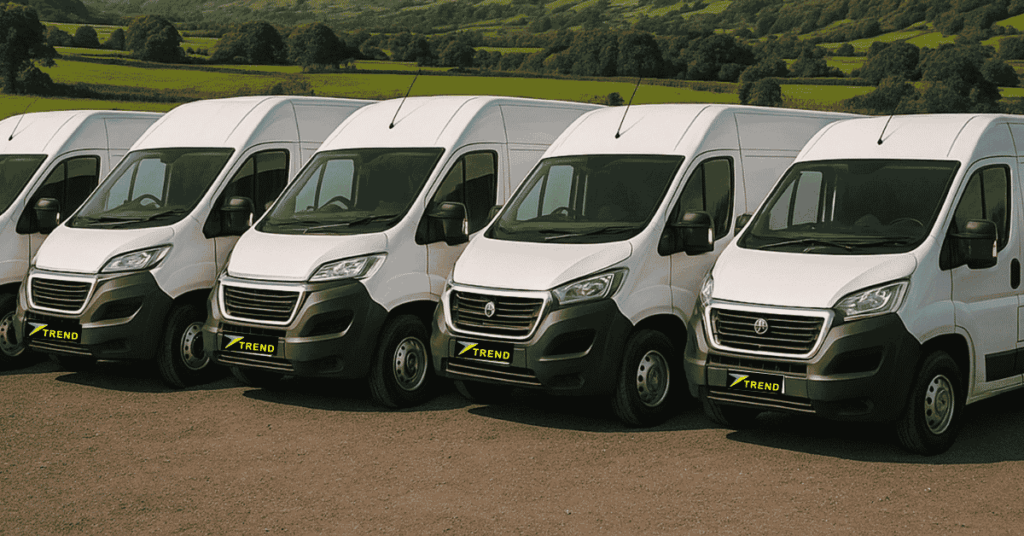
This dramatically reduced the farm’s overall transport cost transporting workers.
Operational Benefits Beyond Cost Savings
The savings were important—but they weren’t the only benefit.
1. Better Worker Punctuality
With fixed transport schedules:
- Workers arrived on time more consistently
- Shift delays dropped significantly
2. Lower Stress for Managers
Managers no longer had to:
- Coordinate multiple drivers
- Handle daily vehicle issues
Operations became far smoother.
3. Improved Compliance
Using dedicated transport simplified:
- Vehicle checks
- Safety management
- Driver accountability
This is particularly important for PALM scheme employers.
4. Reduced Fuel Waste
Consolidated transport meant:
- Fewer duplicate trips
- Lower idle time
- Better route efficiency
Why Minibuses Usually Beat Multiple Cars
Many farms assume smaller vehicles are cheaper because:
- Lower daily rental price
- Better fuel economy per vehicle
But the maths changes when moving groups.

Cost of Minibus vs Multiple Cars
Example:
Option A: 4 Cars
- 4 registrations
- 4 insurance policies
- 4 drivers
- 4 fuel costs

Option B: 1 Minibus
- 1 vehicle
- 1 insurance policy
- 1 driver
- Lower fuel per worker transported
👉 In most scenarios, the minibus wins on total operational cost.
Step-by-Step: How Farms Can Replicate These Savings
Step 1: Audit Current Transport Costs
Track:
- Fuel usage
- Driver time
- Vehicle hire
- Admin hours
Most businesses underestimate their real spend.
Step 2: Measure Vehicle Utilisation
Ask:
- Are cars travelling half empty?
- Are multiple vehicles running the same route?
Step 3: Compare Minibus Options
Evaluate:
- 8-seater vans
- 12-seater minibuses
- Long-term hire pricing
Step 4: Consolidate Routes
Reduce:
- Duplicate pickups
- Unnecessary trips
- Flexible departure times
Step 5: Use Long-Term Hire
Long-term agreements often reduce:
- Daily hire cost
- Maintenance risk
- Operational uncertainty
Best Vehicles for Seasonal Worker Transport
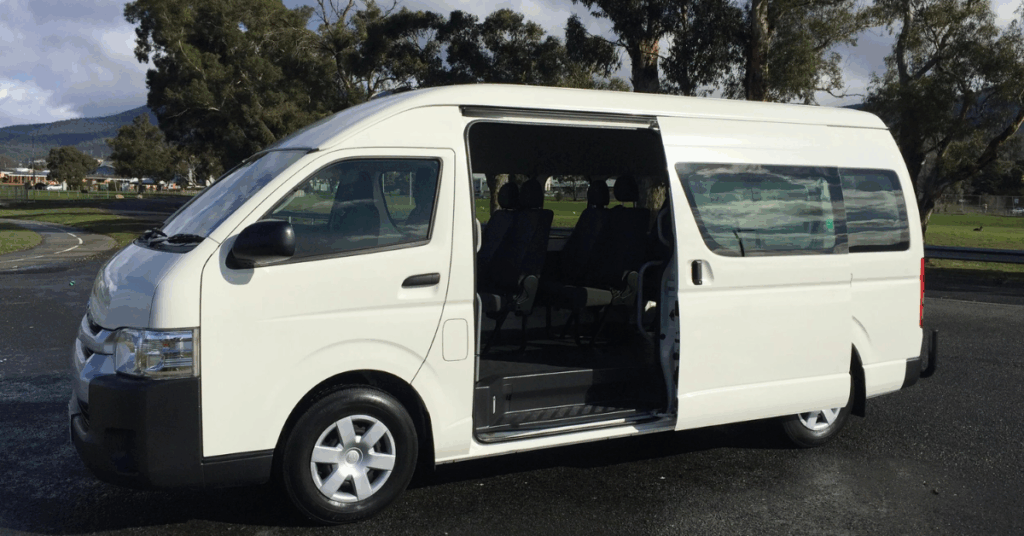
🚐 Minibuses
Best for:
- 8–12 workers
- Daily transport routes
- Cost reduction
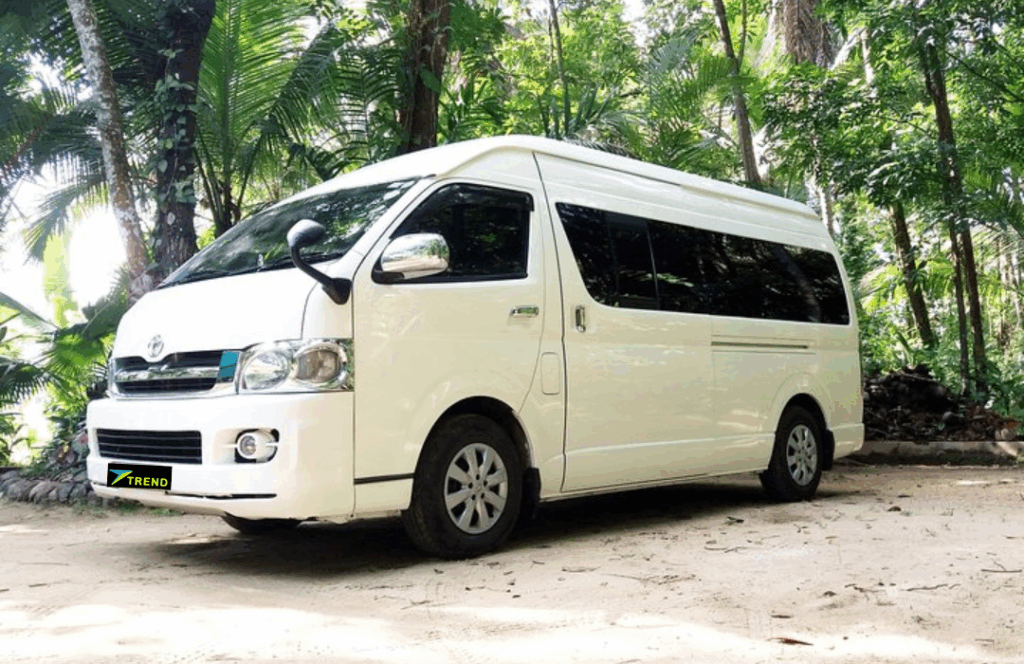
🚗 People Movers
Best for:
- Smaller teams
- Medium-distance travel

🚙 Site-Spec Vehicles
Best for:
- Farms with rough terrain
- Remote work locations

Common Mistakes Farms Make
Avoid these common transport errors:
❌ Using too many vehicles
❌ Changing routes daily
❌ Ignoring admin costs
❌ Underestimating driver labour
❌ Choosing short-term hire unnecessarily
Final Verdict
For farms managing seasonal labour, transport is no longer just a logistics issue—it’s a major profitability factor.
This case study shows that:
- Consolidating vehicles
- Using minibuses for seasonal workers
- Optimising schedules
…can dramatically reduce costs while improving operations.
👉 The farms saving the most money are not necessarily working harder—they’re simply transporting workers smarter.
1. What is the average cost of hiring a minibus in Australia?
Typically between $120–$220 per day, depending on vehicle size and hire duration whereas Trend Rentals provides the lowest hiring rates across all rental companies.
2. Is a minibus cheaper than multiple cars?
Usually yes. When fuel, insurance, admin, and labour are included, minibuses are often 25–40% cheaper overall.
3. What vehicles are best for transporting seasonal workers?
Minibuses and people movers are usually the most cost-effective options for farms.
4. How can farms reduce worker transport costs quickly?
- Consolidate vehicles
- Use long-term hire
- Optimise routes
- Reduce driver numbers
5. Why do farms switch to minibus rentals?
Because they:
- Reduce operational costs
- Simplify logistics
- Improve punctuality
- Lower admin workload