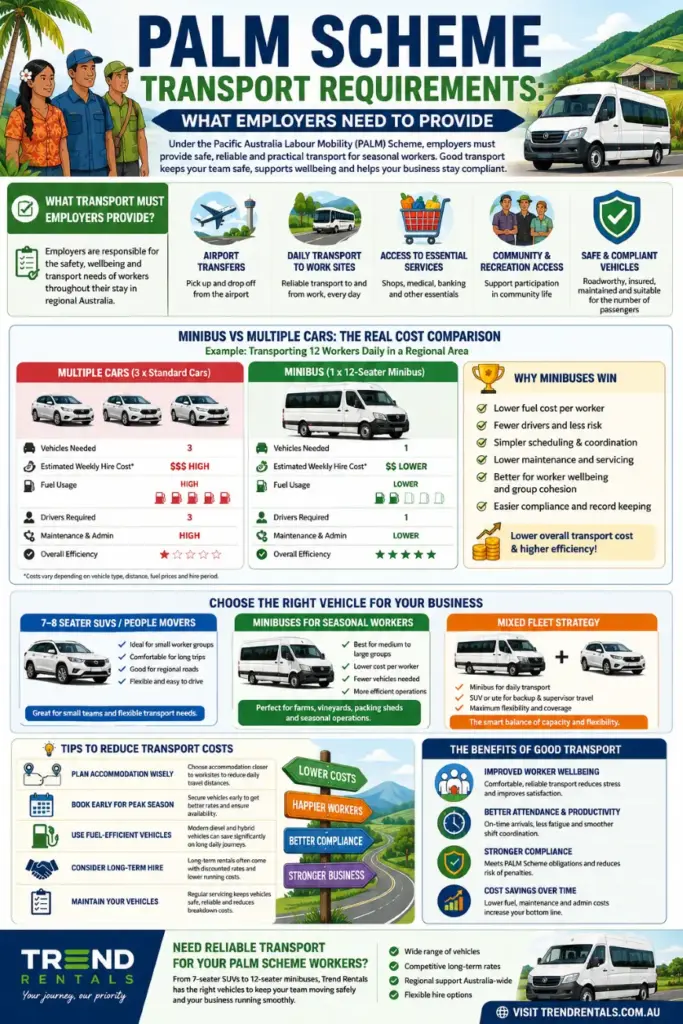
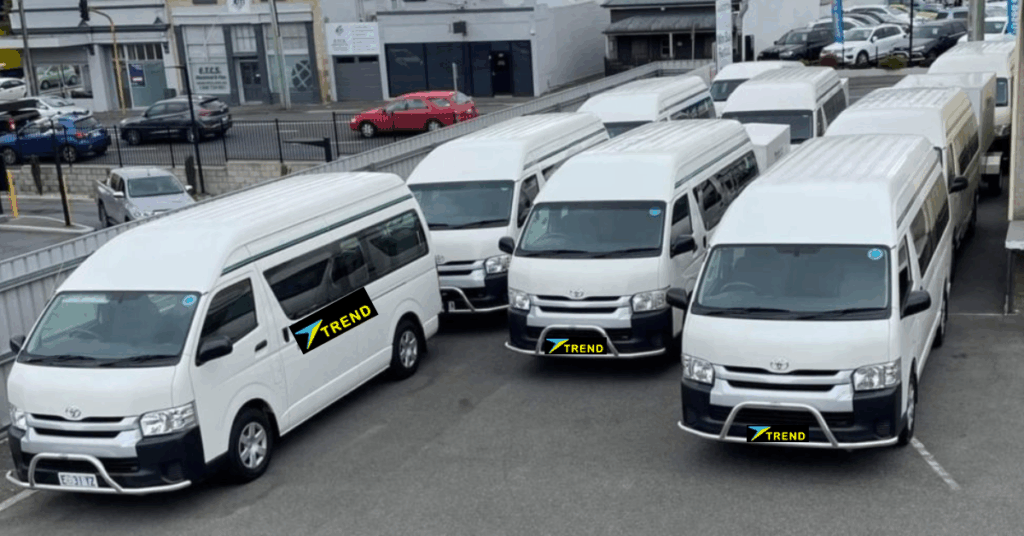
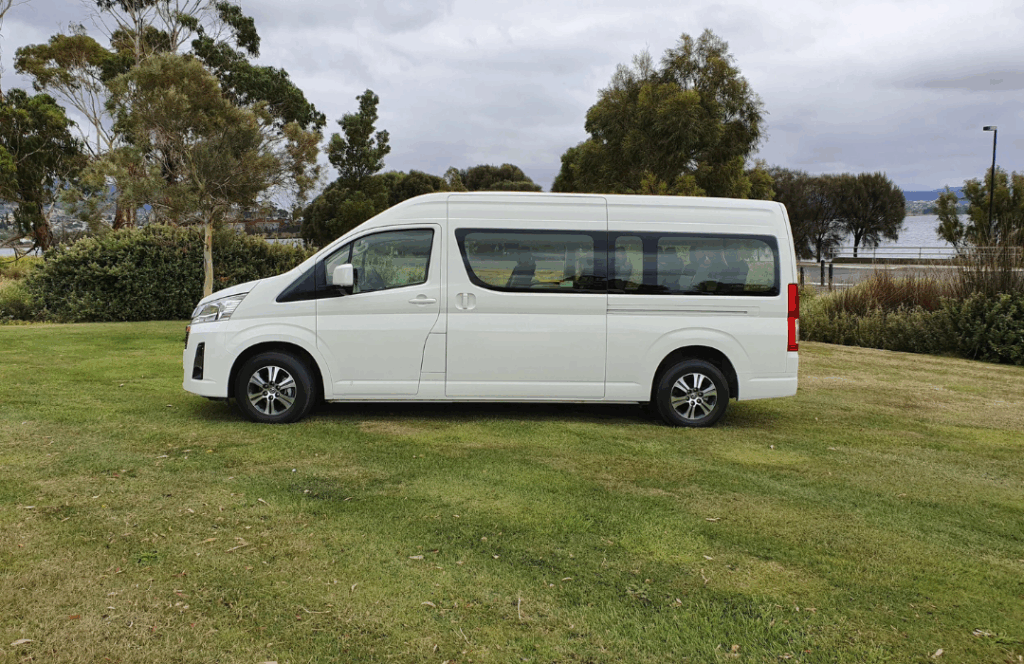
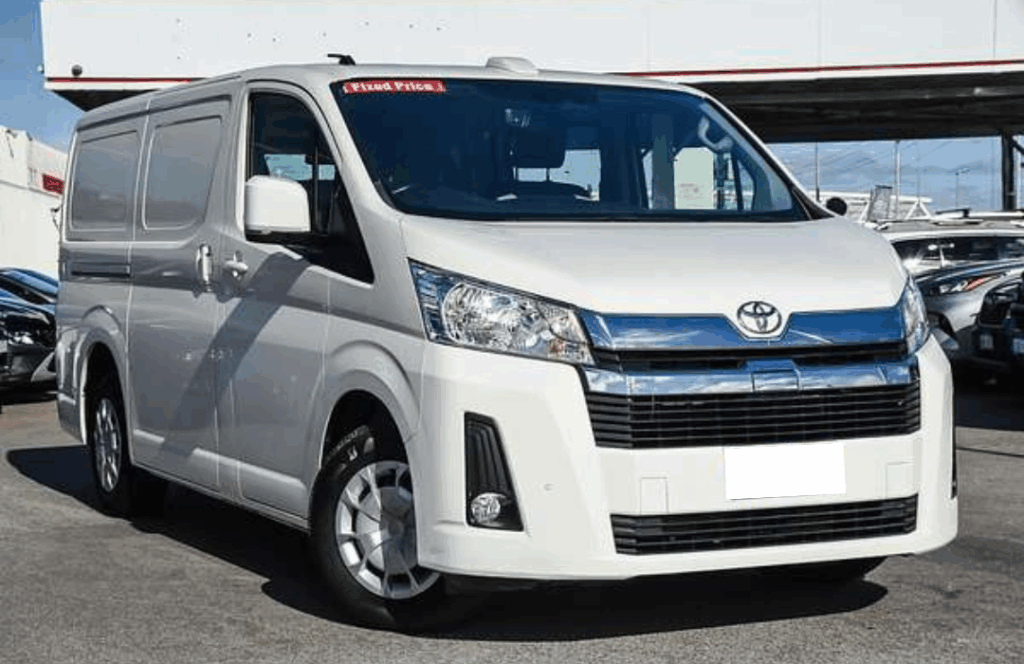
Employers participating in Australia’s PALM Scheme are responsible for providing safe, reliable, and practical transport for seasonal workers. This includes airport pickups, daily transport to work sites, accommodation transfers, and access to essential services. For many regional employers, the cost of hiring a minibusis significantly lower than running multiple cars while improving compliance, safety, and worker wellbeing.
Why Transport Matters Under the PALM Scheme
The Pacific Australia Labour Mobility (PALM) Scheme helps Australian businesses fill labour shortages by employing workers from Pacific Island nations and Timor-Leste. While the scheme solves workforce challenges, employers also take on important welfare and operational responsibilities.
One of the biggest — and often underestimated — obligations is transport.
Workers frequently arrive in remote or regional locations where public transport is limited or non-existent. Employers are expected to ensure workers can safely travel between:
Airports and accommodation
Accommodation and work sites
Shops and essential services
Medical appointments
Community activities
For many businesses, transport quickly becomes one of the largest ongoing operational costs.
That’s why understanding the transport cost transporting workers — and choosing the right vehicle setup — can dramatically impact profitability and compliance.
What Transport Responsibilities Do PALM Employers Have?
While exact obligations may vary depending on location and employment arrangements, PALM employers generally need to provide:
Safe and Reliable Transportation
Vehicles must be:
Roadworthy
Properly insured
Maintained regularly
Suitable for passenger numbers
Safe for regional driving conditions
Using unsuitable vehicles or overcrowding workers can create major compliance risks.
Daily Transport to Work Sites
Many farms, vineyards, packing sheds, and regional worksites are located far from worker accommodation.
Employers are expected to provide dependable transport for:
Early morning shifts
Split shifts
Weekend work
Seasonal peak periods
This becomes difficult and expensive when relying on multiple smaller vehicles.
Airport Transfers
PALM workers often arrive in groups.
A single delayed flight can create logistical challenges if employers only have standard cars available. This is one reason many companies are shifting toward:
These vehicles simplify arrivals and reduce the number of trips required.
Access to Essential Services
PALM worker wellbeing extends beyond the job site.
Employers should also help workers access:
Grocery stores
Medical centres
Banks
Community events
Recreational activities
Reliable group transport improves worker satisfaction and reduces isolation in regional areas.
The Hidden Costs of Using Multiple Cars
Many businesses initially assume multiple small cars are the cheapest option.
In reality, operating several vehicles often creates hidden costs that add up quickly.
Fuel Costs Increase Rapidly
Three or four vehicles travelling separately consume significantly more fuel than a single people mover or minibus.
This is especially true in regional Australia where workers may travel:
40–100 km daily
On unsealed roads
Between scattered worksites
Over a harvest season, fuel savings alone can become substantial.
More Drivers = More Risk
Every additional vehicle means:
Another licensed driver
Another insurance policy
More maintenance scheduling
Greater accident exposure
Managing multiple vehicles also increases administrative workload for supervisors.
Maintenance Costs Multiply
Tyres, servicing, registration, roadside assistance, and repairs all increase when operating multiple cars.
A single minibus often reduces:
Registration costs
Service scheduling
Downtime
Fleet complexity
Cost of Hiring a Minibus vs Multiple Cars
One of the biggest questions employers ask is:
“Is hiring a minibus actually cheaper?”
In many cases, yes.
Here’s a simplified example for a regional farming operation transporting 12 workers daily.
Vehicle Setup
Vehicles Needed
Estimated Weekly Hire Cost
Fuel Usage
Driver Complexity
3 Standard Cars
3
Higher combined cost
High
High
2 SUVs
2
Moderate
Moderate
Moderate
1 Minibus
1
Lower overall operational cost
Lower per passenger
Low
While exact pricing varies, the cost of minibus vs multiple cars usually favours minibuses when transporting larger worker groups.
The biggest savings often come from:
Reduced fuel use per worker
Fewer drivers required
Lower fleet management overhead
Reduced downtime
Why Minibuses Work Better for Seasonal Workers
Better Group Coordination
Keeping workers together improves:
Attendance reliability
Shift coordination
Communication
Emergency response
Supervisors also spend less time managing transport logistics.
Improved Worker Experience
Workers generally prefer travelling together rather than being split across multiple vehicles.
Benefits include:
Stronger team morale
Easier communication
Less confusion
Reduced transport stress
This can positively impact retention during long harvest seasons.
Easier Compliance Management
Using a single transport vehicle simplifies:
Vehicle inspections
Safety checks
Maintenance records
Insurance management
For businesses audited under PALM obligations, organised transport systems are easier to demonstrate.
Choosing the Right Vehicle Setup
Not every employer needs the same transport solution.
The best option depends on:
Worker numbers
Road conditions
Distance travelled
Seasonal demand
Accommodation location
Option 1: 7–8 Seater SUVs
Ideal for:
Small worker groups
Mixed road conditions
Flexible transport needs
Advantages:
Comfortable for longer trips
Easier to drive
Suitable for regional roads
Lower fuel use than large buses
This is often the best starting point for businesses new to the PALM Scheme.
You can explore suitable vehicles at Trend Car Rentals.
Option 2: Minibuses for Seasonal Workers
Best for:
Medium to large worker groups
Farms with fixed daily transport routes
High-volume seasonal operations
Advantages:
Lower per-worker transport cost
Simplified logistics
Fewer vehicles required
Better operational efficiency
Minibuses are particularly valuable during:
Fruit picking seasons
Vintage harvests
Packing operations
Construction projects
Option 3: Mixed Fleet Strategy
Some employers benefit from combining:
One minibus
One backup SUV or ute
This provides flexibility for:
Supervisor travel
Emergency transport
Smaller errands
Worker appointments
Real-World Example: Regional Vineyard Operation
Imagine a vineyard employing 16 PALM workers during vintage season.
Original Setup
The employer used:
4 small cars
4 separate drivers
Multiple fuel cards
Separate maintenance schedules
Problems included:
Workers arriving late
Fuel costs increasing weekly
Driver rostering headaches
Higher insurance costs
Updated Setup
The business switched to:
1 twelve-seater minibus
1 backup SUV
Results:
Lower weekly transport cost
Easier shift coordination
Reduced fuel spend
Improved worker punctuality
Simpler compliance tracking
This example highlights why many employers now prioritise minibuses for seasonal workers instead of relying on multiple cars.
How to Reduce Transport Costs Without Cutting Corners
Transport savings should never compromise worker safety.
However, businesses can still reduce costs strategically.
Plan Accommodation Carefully
The closer workers live to worksites, the lower transport costs become.
Reducing daily travel distances saves:
Fuel
Time
Vehicle wear
Use Long-Term Vehicle Hire
Long-term rental agreements often reduce:
Weekly rates
Maintenance concerns
Fleet replacement costs
This is particularly useful during peak harvest periods.
Match Vehicle Size to Worker Numbers
Overestimating fleet size wastes money.
Underestimating creates operational problems.
Aim for vehicles with:
Enough passenger space
Room for luggage and equipment
Suitable comfort for long drives
Consider Fuel Efficiency
Hybrid SUVs and modern diesel minibuses can significantly reduce operational costs.
For regional employers travelling long distances daily, fuel efficiency matters enormously over time.
Common Mistakes PALM Employers Make
Relying on Personal Vehicles
Using personal cars for worker transport can create:
Insurance issues
Liability risks
Maintenance problems
Dedicated fleet vehicles are safer and more professional.
Ignoring Peak Season Demand
Vehicle shortages are common during harvest periods.
Booking transport early ensures:
Better pricing
Vehicle availability
Proper fleet planning
Underestimating Transport Time
Regional travel distances can be longer than expected.
Employers should factor in:
Traffic delays
Road conditions
Refuelling
Vehicle cleaning
Maintenance downtime
Why Regional Vehicle Hire Makes Sense
Many PALM employers now prefer flexible rental solutions instead of purchasing fleets outright.
Benefits of car hire regional cars include:
No large upfront capital investment
Easier fleet scaling
Access to newer vehicles
Reduced maintenance responsibility
Better flexibility during seasonal fluctuations
For businesses with changing workforce numbers, rental fleets often provide the most practical solution.
What to Look for in a Vehicle Rental Provider
When choosing a rental company, PALM employers should prioritise:
Fleet Variety
Look for access to:
SUVs
7–8 seaters
Minibuses
Utes
Regional-ready vehicles
Regional Support
Breakdowns in remote areas can severely disrupt operations.
Choose providers with:
Roadside assistance
Regional servicing support
Flexible rental terms
Long-Term Rental Options
Seasonal employers often need vehicles for:
Several weeks
Entire harvest seasons
Ongoing annual contracts
Long-term pricing can significantly reduce costs.
Final Thoughts
Transport is one of the most important operational responsibilities under the PALM Scheme.
The right transport setup improves:
Compliance
Worker wellbeing
Operational efficiency
Cost control
For many regional employers, the cost of hiring a minibus is far lower than managing multiple smaller cars once fuel, maintenance, and logistics are considered.
Businesses that invest in smarter transport solutions often see improvements across every part of their operation — from worker satisfaction to harvest productivity.
As labour shortages continue across regional Australia, efficient worker transport will become even more important for staying competitive.
Frequently Asked Questions
Are PALM employers required to provide transport?
Yes. PALM employers are generally expected to provide safe and reliable transport for workers, particularly in regional areas where public transport is limited.
What is the cheapest way to transport seasonal workers?
For medium and large worker groups, minibuses are often cheaper than running multiple smaller vehicles due to lower fuel and maintenance costs.
Is hiring a minibus better than buying one?
For many seasonal employers, hiring offers greater flexibility, lower upfront costs, and easier fleet management.
What vehicles are best for regional worker transport?
Popular options include:
7–8 seater SUVs
People movers
Minibuses
Regional-ready diesel vehicles
The best choice depends on worker numbers and road conditions.