
Quick Summary
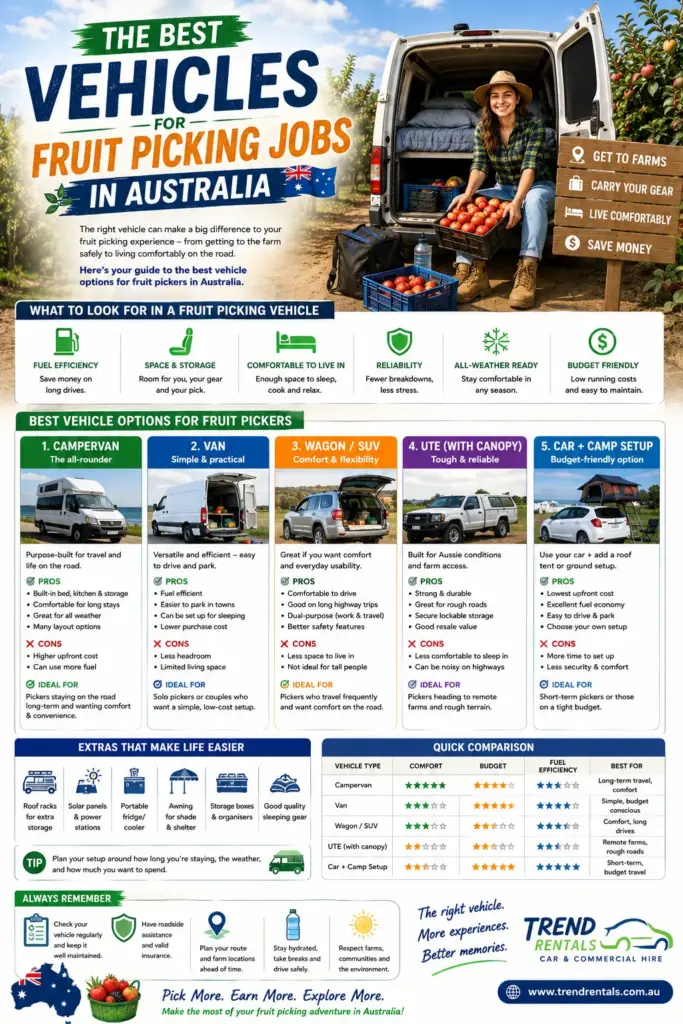
Choosing the right vehicle for fruit picking jobs in Australia can dramatically reduce transport costs, improve worker safety, and boost operational efficiency.
The best options usually include:
- Minibuses for transporting worker groups
- SUVs for rural roads and flexibility
- Utes for equipment and farm duties
- Compact cars for smaller teams
For many PALM scheme employers, minibus hire is cheaper and easier to manage than running multiple cars.
Key considerations include:
- Passenger capacity
- Fuel efficiency
- Insurance
- Regional road suitability
- Seasonal hire flexibility
Why Vehicle Choice Matters for Fruit Picking Jobs
Fruit picking jobs in Australia often take place in remote or regional areas where transport becomes a major operational challenge.
Workers may need daily transport between:
- Accommodation
- Orchards
- Packing sheds
- Supermarkets
- Medical facilities
- Regional towns
For PALM scheme companies and seasonal employers, the wrong vehicle setup can create:
- High fuel costs
- Delays
- Safety risks
- Insurance complications
- Driver fatigue
- Worker dissatisfaction
The right vehicle strategy can significantly improve productivity while reducing overall transport costs.
What Makes a Vehicle Suitable for Farm Work?
Not every rental vehicle performs well in regional Australia.
The best vehicle farm work setups usually combine:
Reliability
Harvest seasons cannot afford vehicle downtime.
A reliable vehicle reduces:
- Missed shifts
- Recovery costs
- Worker disruptions
Passenger Capacity
Moving workers efficiently is critical.
Transporting eight workers in one vehicle is usually cheaper and easier than managing four separate cars.
Fuel Efficiency
Regional driving often involves long daily distances.
Fuel-efficient vehicles can save thousands across a harvest season.

Comfort and Safety
Workers may spend hours commuting each week.
Comfortable seating, air conditioning, and safety features matter more than many employers realise.

Rural Road Capability
Many farms involve:
- Gravel roads
- Uneven terrain
- Muddy access tracks
- Long highway travel
Vehicles need enough clearance and durability for these conditions.
Best Vehicles for Fruit Picking Jobs Australia
Here are the most effective vehicle types used by seasonal worker employers across Australia.
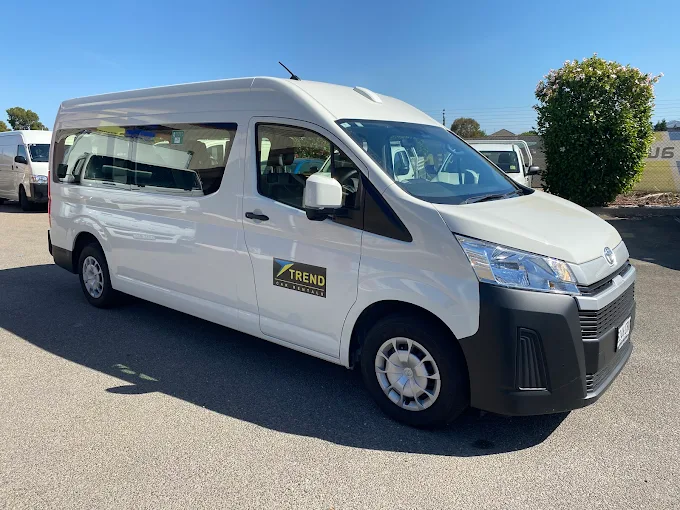
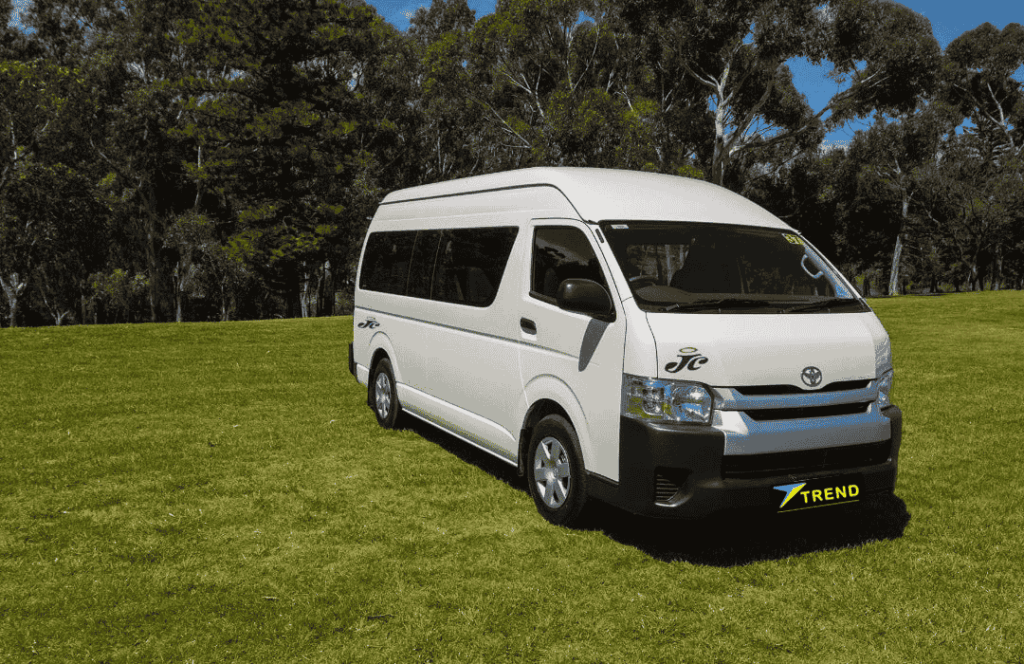
1. Minibuses — Best Overall Option for Worker Transport
For most medium-to-large farms, minibuses are the best overall transport solution.
Why Minibuses Work So Well
A single minibus can transport:
- 8 to 12 workers
- Daily equipment
- Personal bags
- Groceries
This reduces:
- Driver numbers
- Fuel costs
- Insurance complexity
- Parking issues
Key Benefits
Lower Transport Costs
The cost of minibus vs multiple cars often heavily favours minibuses.
Instead of hiring:
- Four compact cars
- Four insured drivers
- Four fuel budgets
Employers can manage one central vehicle.

Easier Compliance
Managing fewer drivers means:
- Fewer licence checks
- Simpler scheduling
- Lower accident exposure

Better Team Coordination
Workers arrive together and on time.
This improves:
- Shift management
- Productivity
- Communication
Best For
- PALM scheme worker transport
- Large orchards
- Vineyards
- Packing facilities
- Long-term harvest operations
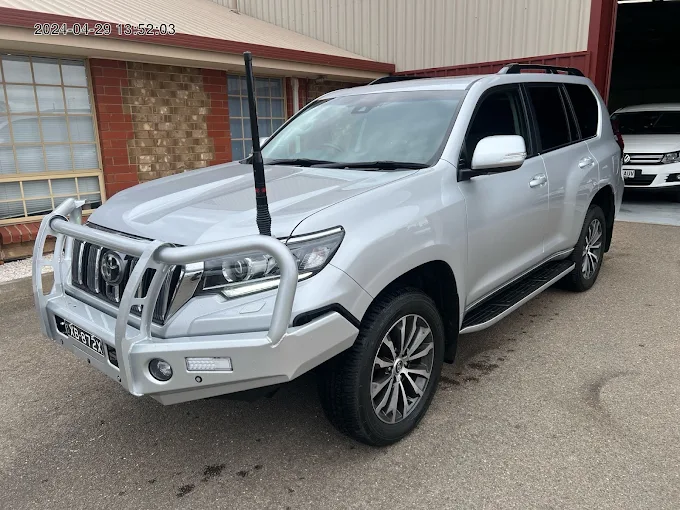
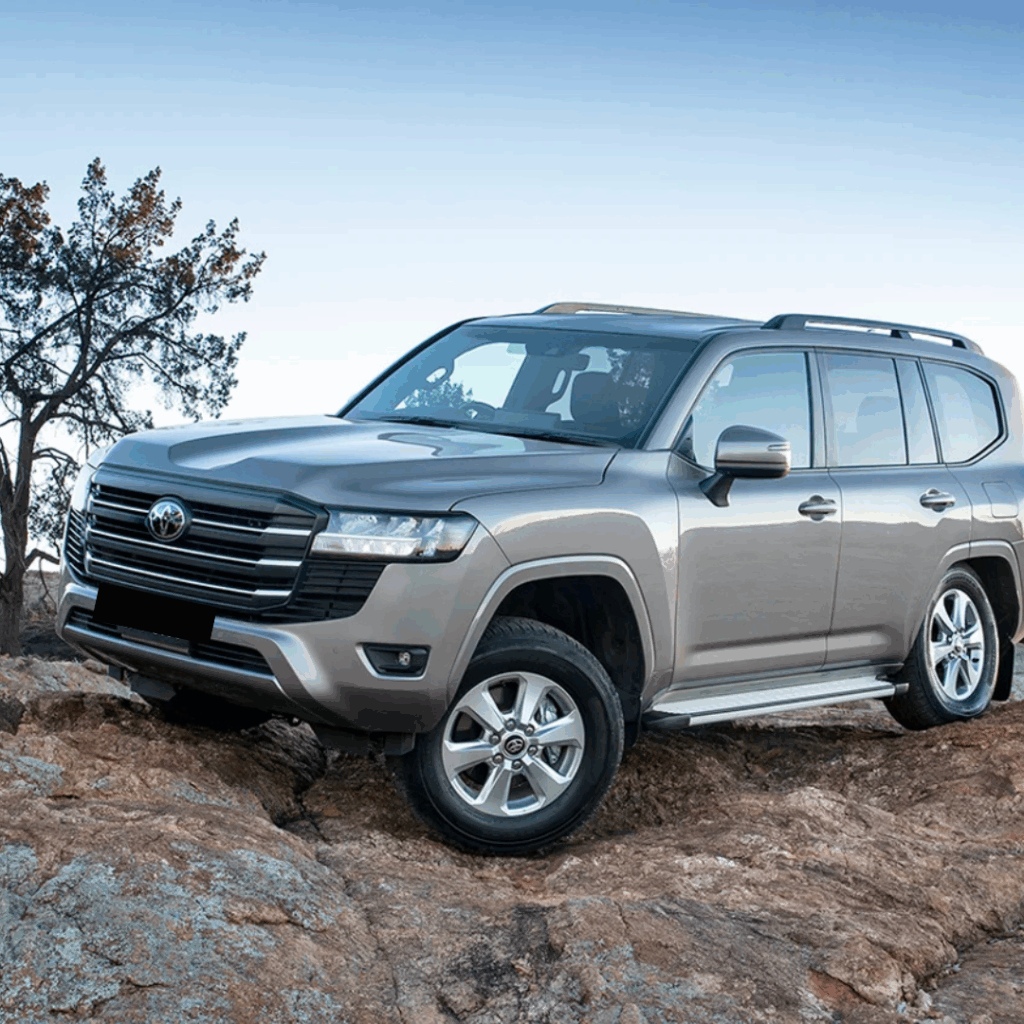
2. SUVs — Best for Regional Flexibility
SUVs are extremely popular for fruit picking operations in regional Australia.
They offer a strong balance between:
- Passenger space
- Comfort
- Rural road handling

Why SUVs Are Ideal
SUVs handle:
- Dirt roads
- Highway driving
- Wet conditions
- Long distances
better than small hatchbacks.
Advantages
- Comfortable for longer trips
- Good luggage capacity
- Higher safety ratings
- Better visibility for drivers
Best For
- Supervisors
- Small worker groups
- Farm inspections
- Regional transport
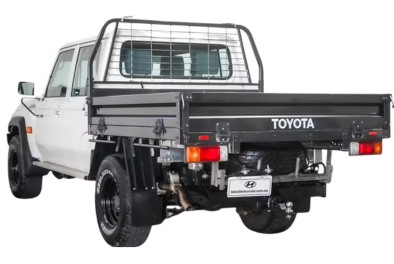
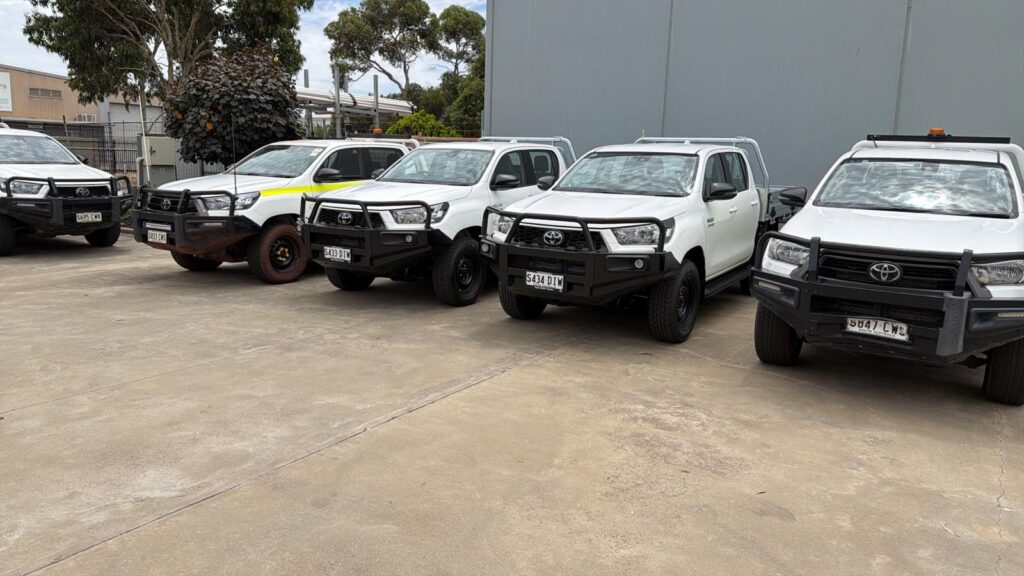
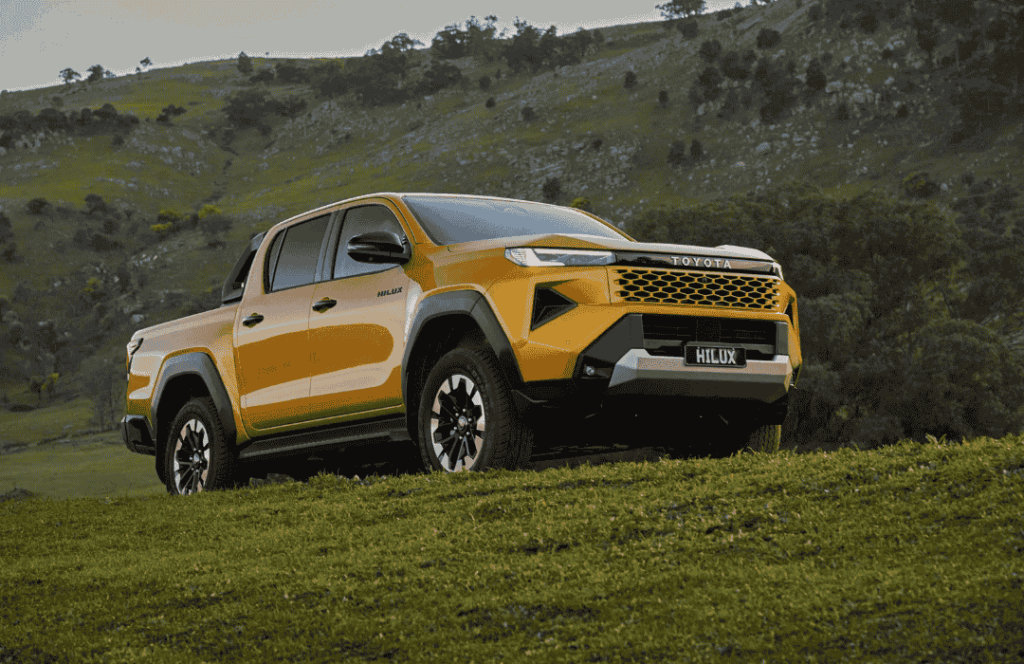
3. Utes — Best for Farm Equipment and Mixed Duties
Utes remain a staple of Australian agriculture.
While they are not ideal for transporting large worker groups, they are excellent for operational support.
Why Farms Use Utes
Utes can carry:
- Ladders
- Picking bins
- Irrigation gear
- Farm supplies
- Tools
They also perform well on rough farm tracks.
Best For
- Farm managers
- Maintenance crews
- Mixed transport and cargo
- Daily operational work
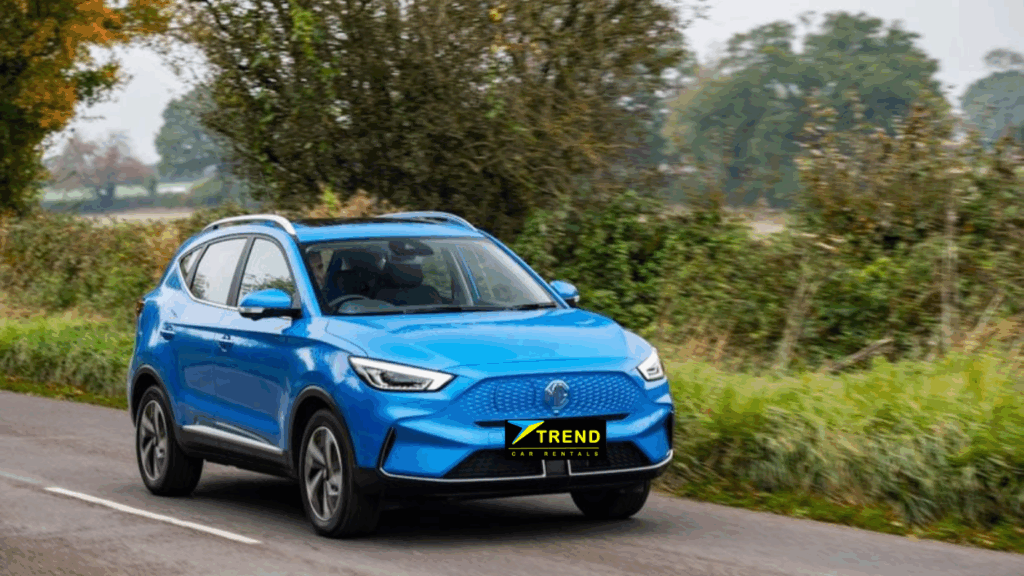
4. Compact Cars — Best for Small Teams on a Budget
For smaller operations, compact vehicles may still make sense.
They are:
- Fuel efficient
- Affordable
- Easy to park
- Good for short distances
However, they become less efficient as workforce numbers increase.

Downsides
Running multiple small cars often creates:
- Higher insurance costs
- More drivers
- More administration
- Increased accident risk
This is why many employers eventually upgrade to minibuses.
Cost of Minibus vs Multiple Cars
Let’s compare a practical seasonal worker transport scenario.
Example: 10 Seasonal Workers
Option 1 — Five Compact Cars
| Expense | Weekly Cost |
|---|---|
| Vehicle hire | $1,500 |
| Fuel | $650 |
| Insurance | $300 |
| Maintenance/admin | $150 |
| Total | $2,600/week |
Option 2 — One 12-Seater Minibus
| Expense | Weekly Cost |
| Minibus hire | $950 |
| Fuel | $400 |
| Insurance | Lower/Simplified |
| Admin | Minimal |
| Total | $1,350/week |
Estimated Savings
Potential savings:
- Over $1,000 per week
- More than $4,000 monthly during peak harvest
This is why many employers researching vehicles for fruit picking are shifting toward centralised worker transport.

Real-World Example: Citrus Farm Transport Upgrade
A hypothetical citrus farm in regional South Australia initially hired:
- 6 compact cars
- Multiple PALM workers as drivers
Problems included:
- Frequent fuel reimbursements
- Minor accidents
- Delayed arrivals
- Licence management complications
The business switched to:
- Two minibuses
- Approved senior drivers
- Centralised transport scheduling
Results:
- Reduced weekly transport costs
- Better attendance
- Lower insurance exposure
- Easier vehicle management

Choosing the Right Vehicle for Your Farm
Every farming operation is different.
Here’s a practical step-by-step approach.
Step 1 — Calculate Worker Numbers
Start with:
- Total workers
- Shift schedules
- Accommodation locations
This determines passenger requirements.
Step 2 — Assess Road Conditions
Consider:
- Gravel roads
- Flood-prone access
- Highway travel
- Distance between sites
Rural conditions strongly affect vehicle suitability.

Step 3 — Estimate Total Transport Costs
Include:
- Fuel
- Insurance
- Driver management
- Vehicle downtime
- Maintenance
- Administration
Many employers underestimate the hidden costs of running multiple vehicles.

Step 4 — Decide Between Ownership or Rental
Rental vehicles for seasonal workers offer flexibility because employers can:
- Scale fleets up or down
- Avoid depreciation
- Reduce servicing responsibilities
- Access newer vehicles
This is especially useful for short harvest periods.
Why Rental Vehicles Are Popular for Seasonal Workers
More agricultural employers now prefer rental fleets over ownership.
Benefits of Rental Vehicles
Flexible Contracts
Hire vehicles only during peak seasons.
Reduced Maintenance
Servicing and breakdown support are often included.
Access to Newer Vehicles
Modern vehicles usually offer:
- Better fuel efficiency
- Improved safety
- Lower breakdown risk
Easier Fleet Expansion
Need more vehicles during harvest peaks?
Rental providers can scale quickly.
Common Mistakes Employers Make
Hiring Too Many Small Cars
This often creates:
- More fuel usage
- More drivers
- Higher risk exposure
Ignoring Rural Road Conditions
Low-clearance vehicles may struggle on farm roads.
Underestimating Insurance Complexity
Multiple drivers can complicate claims and increase premiums.
Choosing Price Over Reliability
Cheap vehicles can become expensive if they break down during harvest.
Best Vehicle Setup by Farm Type
Small Farms (1–5 Workers)
Best options:
- Compact SUVs
- Hatchbacks
Medium Farms (6–12 Workers)
Best options:
- 8–12 seater minibuses
- SUVs for supervisors
Large Operations (12+ Workers)
Best options:
- Multiple minibuses
- Utes for operations
- Centralised transport systems
Final Thoughts
The best vehicles for fruit picking jobs in Australia depend on:
- Workforce size
- Road conditions
- Budget
- Transport distances
However, for many PALM scheme employers and regional farms, minibuses consistently provide the best balance of:
- Cost efficiency
- Worker safety
- Operational simplicity
As labour shortages continue across regional Australia, businesses that optimise worker transport will gain a major operational advantage.
Choosing the right vehicle setup is no longer just a transport decision — it’s a productivity strategy.
Frequently Asked Questions
What is the best vehicle for fruit picking jobs in Australia?
For larger worker groups, minibuses are often the most cost-effective and practical solution. SUVs and utes are also popular depending on farm needs.
Is minibus hire cheaper than multiple cars?
In many cases, yes. One minibus can significantly reduce fuel, insurance, and administration costs compared with several smaller vehicles.
Are SUVs good for farm work?
Yes. SUVs are ideal for regional roads, long-distance travel, and transporting smaller worker groups comfortably.
Why do farms hire rental vehicles for seasonal workers?
Rental vehicles offer flexibility, reduced maintenance responsibilities, and easier fleet scaling during peak harvest periods.
What vehicles are best for PALM scheme worker transport?
Minibuses are commonly considered the best option because they improve coordination, reduce driver numbers, and lower overall transport costs.