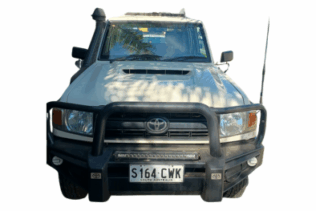
Choosing a ute with good towing capacity can make a significant difference when transporting equipment, towing a caravan, moving machinery or hauling a loaded trailer for work. However, the best towing ute is not necessarily the one with the biggest number on its specification sheet.
In Australia, several popular utes offer a maximum braked towing capacity of 3,500 kg. The Ford Ranger, Toyota HiLux, Isuzu D-MAX, Mazda BT-50, Mitsubishi Triton and Volkswagen Amarok are all worth considering, depending on the model, configuration and intended use.
The key is understanding how much you need to tow, how much weight the ute will carry and whether the complete vehicle-and-trailer combination stays within its legal limits.
Which utes have the best towing capacity?
- Ford Ranger: A strong all-rounder for work, touring and towing heavy trailers, with selected models rated to 3,500 kg braked.
- Toyota HiLux: A popular work ute with up to 3,500 kg braked towing capacity on diesel 4×4 variants.
- Isuzu D-MAX: A practical choice for commercial work and recreational towing, with selected variants rated to 3,500 kg.
- Mazda BT-50: Offers up to 3,500 kg braked towing capacity on specified variants.
- Mitsubishi Triton: A capable workhorse, with selected newer models rated to 3,500 kg.
- Volkswagen Amarok: Worth considering for drivers who want strong towing capability alongside a more premium driving experience.
Important: A 3,500 kg towing rating does not mean every version of a ute can safely tow that weight in every loading situation. Payload, towball download, Gross Vehicle Mass (GVM), Gross Combination Mass (GCM), towing equipment and the trailer’s actual loaded weight all matter.
Ute towing capacity comparison: Popular Australian models
The following table provides a starting point for comparing popular utes. Figures are maximum braked towing ratings advertised for relevant model ranges, not a guarantee that every year, engine, transmission or body style has the same capacity.
| Ute model | Maximum braked towing capacity | Best suited to |
|---|---|---|
| Ford Ranger | Up to 3,500 kg | Work, caravans and general-purpose towing |
| Toyota HiLux diesel 4×4 | Up to 3,500 kg | Trades, work sites and touring |
| Isuzu D-MAX | Up to 3,500 kg | Commercial use and recreational towing |
| Mazda BT-50 | Up to 3,500 kg | Work, trailers and touring |
| Mitsubishi Triton | Up to 3,500 kg on selected models | Trade work and everyday towing |
| Volkswagen Amarok | Up to 3,500 kg on specified variants | Long-distance driving and heavy towing |
Specifications can change between model years and variants. Check the manufacturer’s documentation for the exact vehicle before choosing a ute for a particular load.
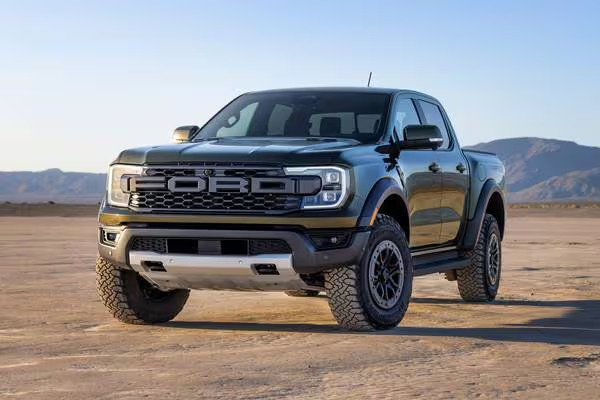
1. Ford Ranger: An excellent all-round towing ute
The Ford Ranger is one of Australia’s best-known dual-cab utes and is a strong contender for drivers who need a vehicle that can handle work during the week and recreational towing on weekends.
Selected Ranger variants offer up to 3,500 kg of braked towing capacity when correctly equipped. Depending on the model, buyers can choose different engines, drivetrains and body configurations to suit their requirements.
Why choose the Ford Ranger?
- Strong towing capability across much of the range.
- A choice of work-focused and more premium variants.
- Available four-wheel drive for suitable off-road applications.
- A practical cabin for transporting passengers and equipment.
- Driver-assistance and trailer-related technologies on applicable variants.
The Ranger is worth considering for towing a medium-to-large caravan, a boat on a suitable trailer or a work trailer carrying equipment. However, the Ranger Raptor has a lower maximum towing rating than many other Ranger variants, so the model name alone is not enough to establish towing capacity.
Best for: Drivers wanting a versatile ute for a combination of work, travel and towing.
Before purchasing or renting one, verify the tow pack requirements and the payload remaining after passengers, luggage, accessories and towball download are accounted for.
2. Toyota HiLux: A dependable work and towing option
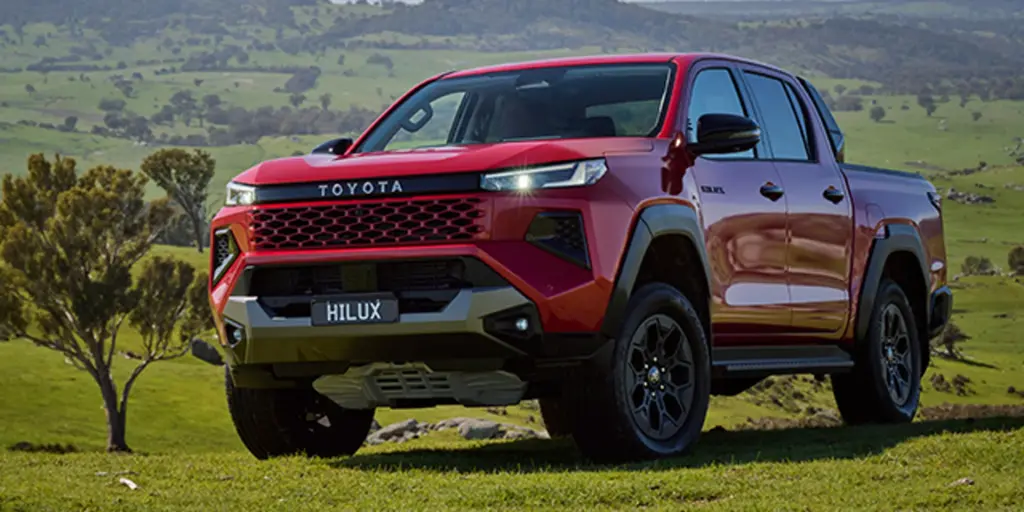
The Toyota HiLux has a long-standing reputation in Australian trades, construction, regional work and recreational touring.
Toyota lists a maximum braked towing capacity of up to 3,500 kg for diesel 4×4 HiLux variants. Certain 4×2 variants have a lower rating, so it is essential to distinguish between the available configurations.
What makes the HiLux a good towing ute?
- A broad range of work-oriented and lifestyle variants.
- A well-established presence in Australia’s commercial vehicle market.
- Four-wheel-drive options for appropriate work sites and touring conditions.
- A practical choice for businesses needing a ute for everyday duties as well as towing.
For example, a contractor transporting tools and towing a braked equipment trailer may find the HiLux a suitable option, provided the trailer and combined weights remain within the vehicle’s limits.
The important consideration is not simply whether the HiLux is rated to tow 3,500 kg. A heavily loaded dual-cab with a canopy, tools, passengers and a substantial towball load may run out of legal payload before reaching its advertised towing maximum.
Best for: Tradespeople, businesses and drivers who value a versatile work ute with strong towing capability.
3. Isuzu D-MAX: A practical choice for commercial towing
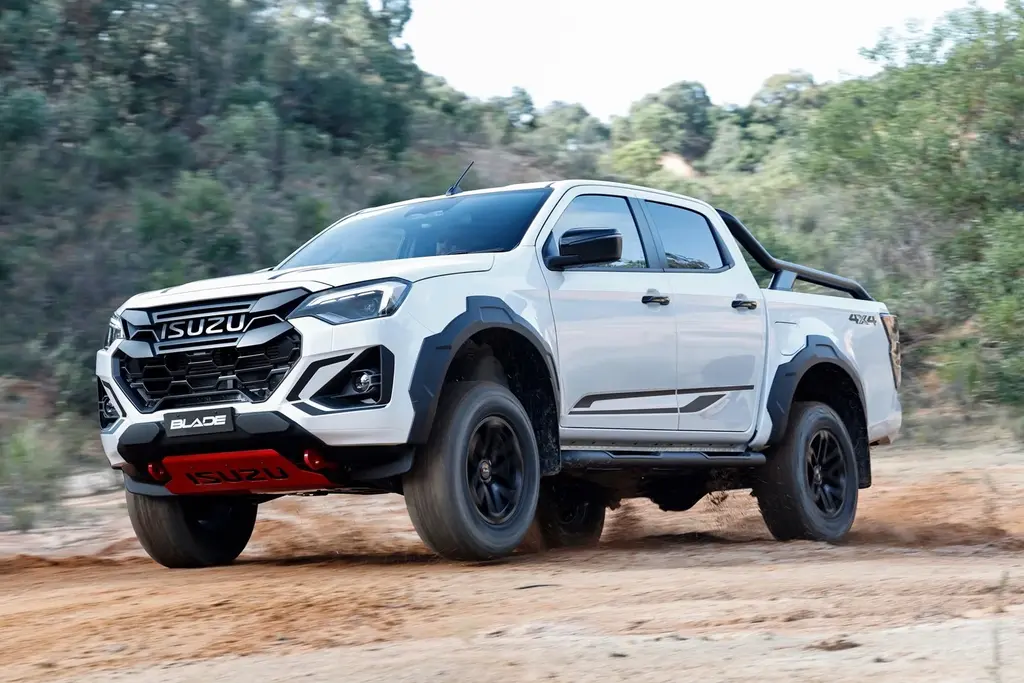
The Isuzu D-MAX deserves a place on any shortlist of utes with good towing capacity. Selected D-MAX variants have a maximum braked towing capacity of 3,500 kg, making them suitable candidates for work trailers, recreational trailers and other properly matched loads.
The range includes different cab styles and work-focused configurations, which can be useful for businesses with specific requirements.
Where the D-MAX makes sense
Consider the D-MAX if you need a ute for:
- Transporting tools, materials and work equipment.
- Towing a braked trailer for commercial duties.
- Travelling between regional work sites.
- Combining everyday driving with recreational towing.
A cab-chassis configuration can be useful where a business needs a particular tray or service body. However, fitting a heavier tray or additional equipment reduces the payload available for passengers and cargo.
Best for: Businesses, contractors and drivers who want a practical towing vehicle for regular work.
Always check the precise D-MAX specification, including its GVM, GCM and towball limits, before committing to a load.
4. Mazda BT-50: Strong towing with everyday versatility
The Mazda BT-50 is another ute worth comparing with the Ranger, HiLux and D-MAX.
Mazda publishes a maximum braked towing capacity of 3,500 kg for specified BT-50 variants, together with a maximum unbraked towing capacity of 750 kg. Towball download is also a critical limit, and Mazda provides a payload calculator to help drivers assess their proposed combination.
Why consider the BT-50?
- Strong towing capacity on suitable variants.
- Different cab and body configurations.
- A useful balance between work duties and everyday driving.
- Published payload and towing information to help plan a load.
For example, a driver towing a boat may be well served by a BT-50 if the boat and trailer are within the permitted limits and the vehicle has enough remaining payload for passengers, luggage and towball download.
The same ute may be unsuitable for a different trailer if its loading arrangement pushes the vehicle or combination over a permitted mass limit.
Best for: Drivers looking for a capable ute for work, towing and weekend travel.
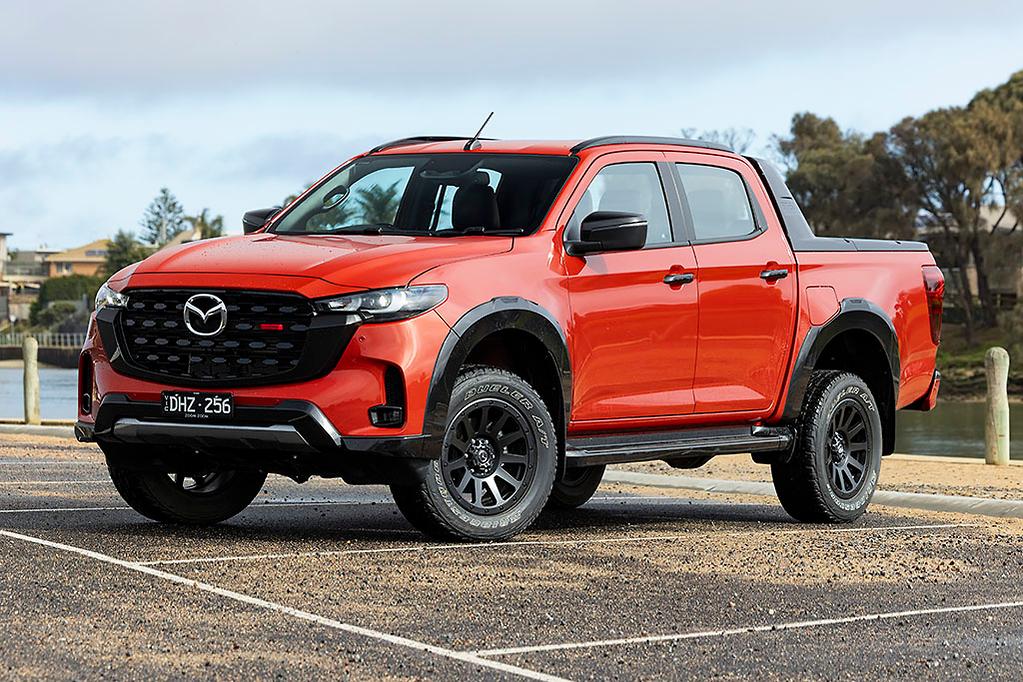
5. Mitsubishi Triton: A capable option for work and towing
The Mitsubishi Triton is worth considering if you need a dual-cab ute that can handle day-to-day work while providing substantial towing capacity.
Selected newer Triton variants offer a maximum braked towing capacity of 3,500 kg. Older Tritons and some different body or drivetrain configurations may have lower ratings.
What should you know about the Triton?
- The towing rating depends on the model year and configuration.
- Selected variants provide a 3,500 kg maximum braked towing rating.
- The vehicle’s remaining payload can become a limiting factor when towing heavy loads.
- Trailer stability systems and other features vary by specification.
For a business that occasionally transports machinery or materials on a braked trailer, the Triton could be a practical option. For frequent heavy towing, compare the exact GVM, GCM, towball limit and payload against your expected load rather than relying on the headline figure.
Best for: Tradespeople and businesses seeking a practical ute for work and towing.
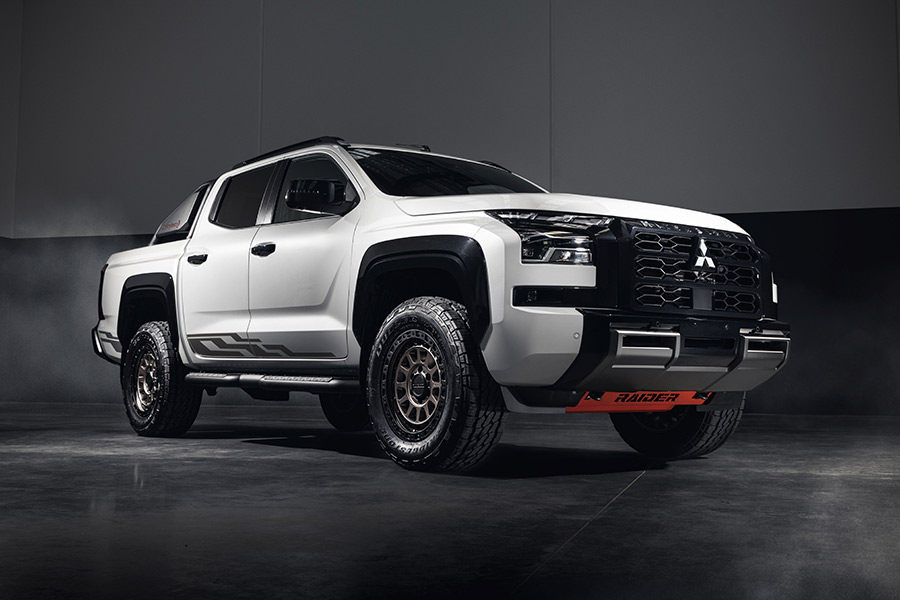
6. Volkswagen Amarok: Strong towing with a premium feel
The Volkswagen Amarok is another contender for drivers who want a ute capable of towing substantial loads while providing a comfortable cabin for longer journeys.
Selected current Amarok variants offer up to 3,500 kg of braked towing capacity. The range includes different engines and specifications, so you should verify the exact rating for the vehicle being considered.
Why the Amarok is worth comparing
- Strong towing capability on applicable variants.
- Available high-torque engine options.
- A cabin and equipment package aimed at drivers who spend significant time on the road.
- Suitability for a mix of professional use and recreational travel.
The Amarok can be attractive for towing a caravan or trailer over long distances. However, comfort and engine performance do not remove the need to calculate payload and combined mass carefully.
Best for: Drivers who want substantial towing capability alongside comfort and refinement.
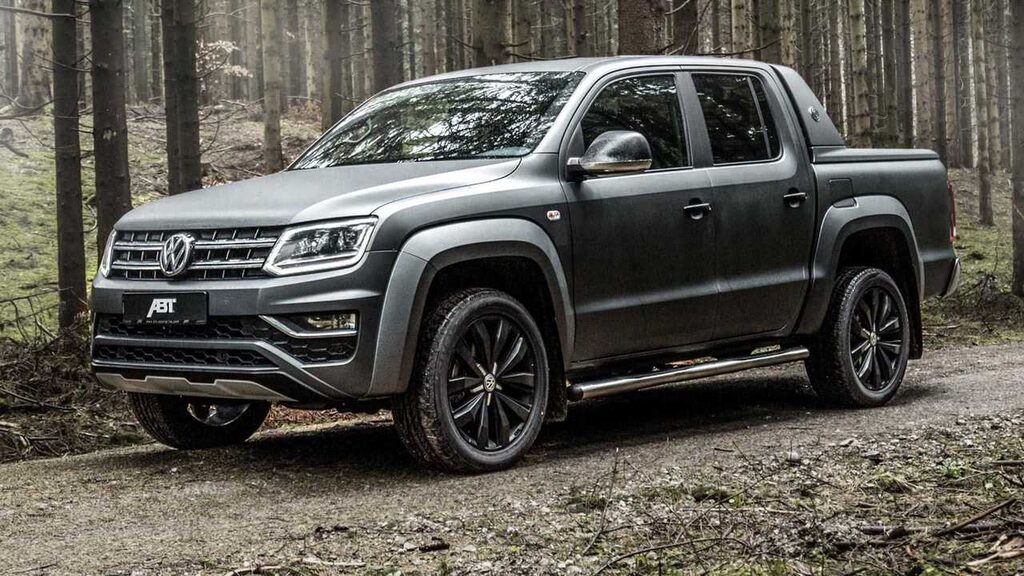
What about other utes?
The comparison above covers several popular options, but it is not an exhaustive ranking of every Australian ute.
Other vehicles may be suitable depending on your budget, load and driving conditions. Always compare the current manufacturer’s specifications rather than assuming that every model in a particular category has the same rating.
Also remember that the ute with the highest towing figure is not automatically the best choice. A lighter trailer, a better payload allowance or a more suitable tray configuration may matter more for your particular job.
What do towing capacity, GVM and GCM actually mean?
Understanding the main weight ratings is essential before towing in Australia.
Braked versus unbraked towing capacity
Braked towing capacity is the maximum permitted trailer mass when the trailer has its own braking system, subject to the vehicle’s specifications and applicable requirements.
Unbraked towing capacity is the lower maximum permitted trailer mass when the trailer does not have its own brakes.
Many popular Australian utes have a maximum unbraked towing rating of 750 kg, but you must check the exact vehicle specification. A trailer’s braking equipment and legal requirements must also be considered.
Gross Vehicle Mass (GVM)
GVM is the maximum permitted total mass of the loaded ute. It includes the vehicle, occupants, fuel, luggage, accessories and cargo, as well as the load imposed by the trailer through the towball.
This is where many towing calculations go wrong. A ute may have a high towing rating but insufficient remaining payload once it is fully loaded.
Gross Combination Mass (GCM)
GCM is the maximum permitted combined mass of the loaded towing vehicle and its trailer.
A ute can comply with its individual GVM and towing limits yet exceed its GCM when both are loaded. You must check all applicable limits simultaneously.
Towball download
Towball download is the downward force the trailer places on the towball.
That force forms part of the towing vehicle’s load and reduces the payload available for people and equipment. The maximum allowable towball download depends on the vehicle, towbar and towing setup.
For a heavy trailer, the towball load can become a significant constraint even when the trailer itself is below the ute’s maximum towing capacity.
How to choose the right towing ute: A step-by-step guide
Use the following process before buying or renting a ute for towing.
Step 1: Establish the actual loaded trailer weight
Do not rely solely on the trailer’s advertised empty weight.
Include the weight of everything you intend to carry, such as:
- Building materials or tools.
- Caravan water and camping equipment.
- Boat fuel and accessories.
- Machinery, spare parts or other cargo.
Where possible, use reliable weighing equipment to establish the actual loaded mass.
Step 2: Check the vehicle’s exact towing rating
Identify the ute’s model year, engine, transmission, drivetrain and body style.
Then confirm the maximum braked and unbraked towing ratings in the manufacturer’s specifications and owner’s manual. Do not assume a 4×4, 4×2, cab-chassis and dual-cab version share identical ratings.
Step 3: Calculate the remaining payload
Start with the vehicle’s permitted GVM and account for the actual loaded vehicle mass.
Include passengers, fuel, accessories, tools, cargo and towball download. Remember that aftermarket canopies, bull bars, roof racks and other additions can substantially reduce available payload.
Step 4: Check the GCM and axle limits
Confirm that the combined loaded mass of the ute and trailer stays within the permitted GCM.
Also check the front and rear axle limits. A heavy load placed in the tray or a high towball load can overload the rear axle even if the total vehicle mass appears acceptable.
Step 5: Confirm the towing equipment
Check that the towbar, towball, wiring, trailer brakes and any required brake controller are suitable for the vehicle and trailer.
A vehicle’s advertised maximum rating does not override a lower rating applying to an individual component.
Step 6: Consider the driving conditions
Towing on flat suburban roads is different from towing through steep ranges, on gravel roads or in hot conditions.
Allow more time for braking, acceleration and overtaking. Follow the manufacturer’s towing guidance, use appropriate gears and engine braking where recommended, and allow additional space between vehicles.
Step 7: Decide whether you need a permanent vehicle or a rental
If towing is an occasional requirement, renting a suitable ute may be more practical than purchasing and maintaining a vehicle specifically for that task.
Before booking, confirm the rental vehicle’s towing permission, towbar availability, permitted trailer weights and any restrictions in the rental agreement. Never assume that a rental ute can tow simply because it has a towbar fitted.
Real-world examples: Matching a ute to the job
The following examples are illustrative. The weights are hypothetical and are not recommendations for a particular vehicle without checking its actual specifications.
Example 1: Towing a work trailer
A contractor needs to transport tools and materials in a trailer with an actual loaded mass of 1,800 kg.
A ute rated to tow 3,500 kg may have sufficient headline towing capacity, but the contractor still needs to check the loaded ute’s GVM, GCM, axle limits and towball download. If the tray is already full of tools and equipment, payload could be the limiting factor.
Example 2: Taking a caravan on a road trip
A family plans to tow a caravan with a loaded mass of 2,700 kg.
A suitably equipped Ranger, HiLux, D-MAX, BT-50, Triton or Amarok may be worth investigating, depending on the exact variant. However, the family must calculate the actual caravan mass, towball load, passengers, luggage, accessories and fuel before deciding whether the combination is compliant.
Example 3: Moving equipment between job sites
A business needs to move a small machine on a braked trailer between work sites.
The best ute might be a work-oriented cab-chassis or dual-cab configuration, depending on the load and seating requirements. The business should assess payload, trailer dimensions, loading arrangements and site access, not just the maximum towing figure.
In each case, the correct vehicle is the one that can legally and safely manage the entire loaded combination, not simply the advertised trailer weight.
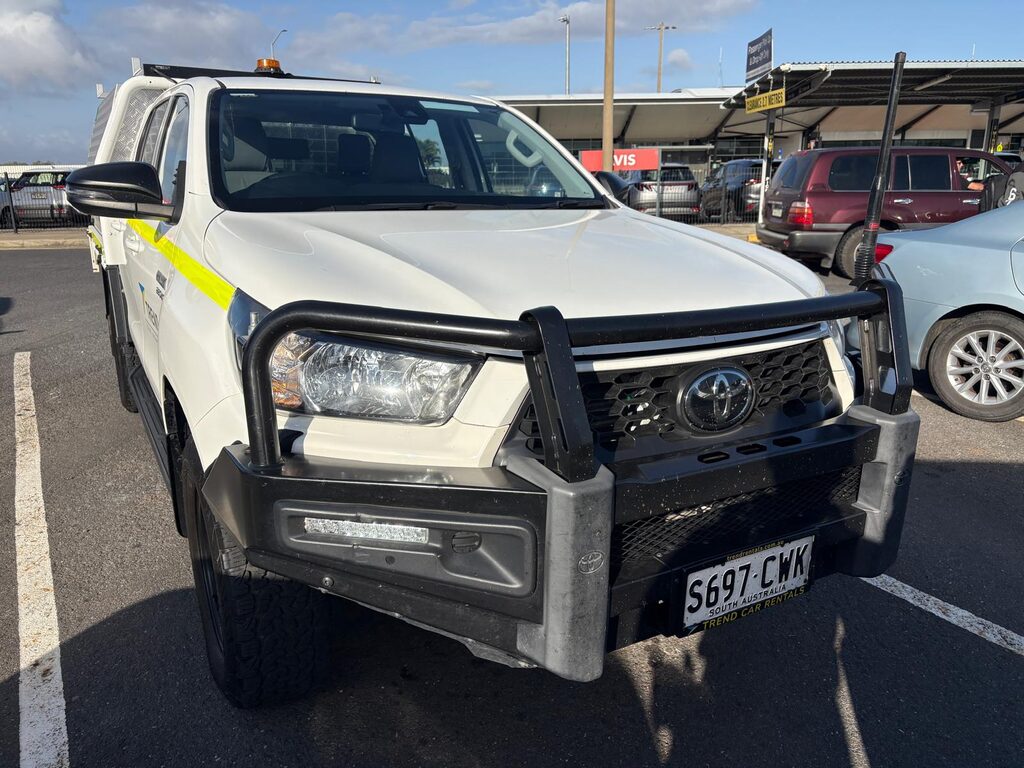
Should you rent a ute for towing?
Buying a ute is not always the most economical solution when towing is only needed for a specific project, move or trip.
Ute rentals can provide access to a suitable vehicle without the ongoing costs of ownership, registration, servicing and storage. Renting may also be useful when your usual vehicle is not equipped for the job.
For customers looking for ute rentals in Adelaide or ute rentals in Brisbane, the most important step is to explain the intended use before booking.
Confirm:
- Whether towing is permitted under the rental agreement.
- Whether a compatible towbar and required equipment are fitted.
- The permitted towing capacity for the specific rental vehicle.
- Whether the trailer and intended load are within the applicable limits.
- Any restrictions on work-site access, unsealed roads or particular uses.
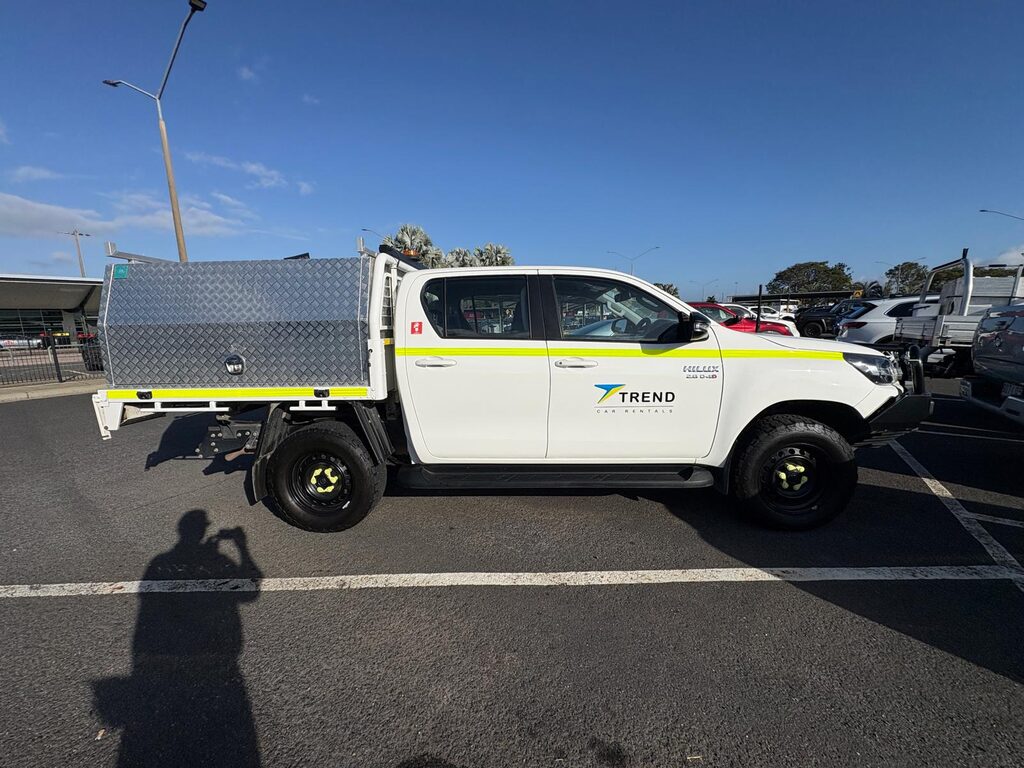
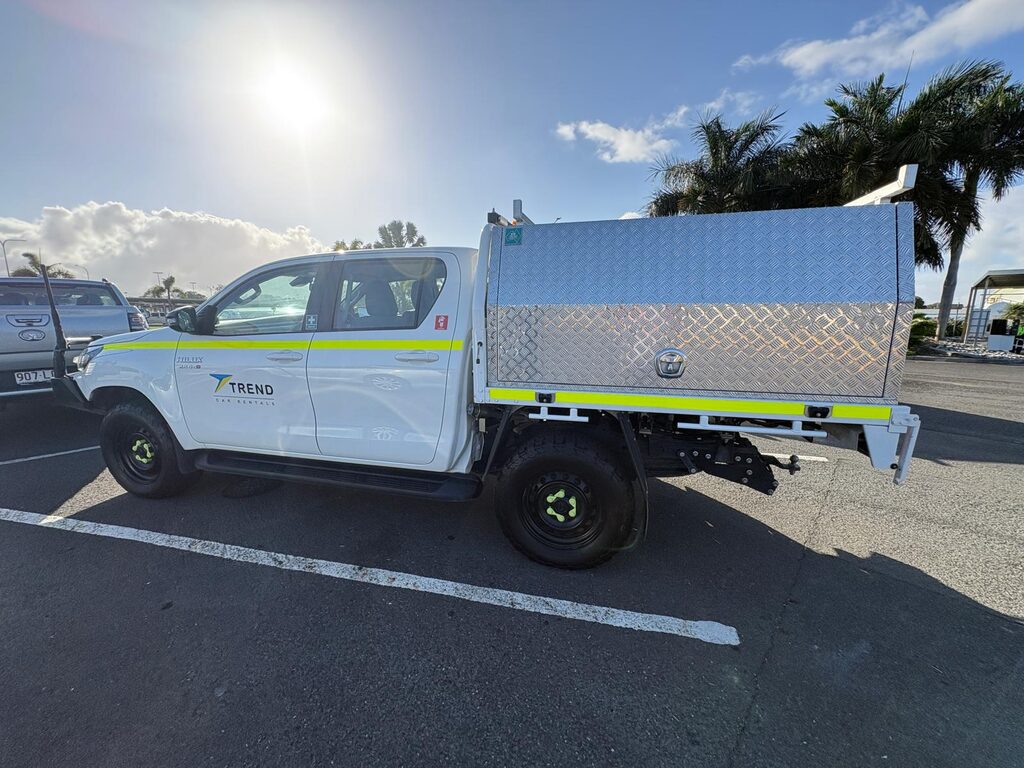
Explore Trend Rentals’ truck hire options if your project may require a truck rather than a ute. For other rental requirements, visit Trend Car Rentals and enquire about vehicle availability and suitability for your intended task.
A quick reminder: Availability of a particular ute, its towing equipment and permission to tow should always be confirmed directly before booking.
Common towing mistakes to avoid
Even experienced drivers can overlook important details when preparing a ute for towing.
Avoid these common mistakes:
- Choosing a ute on its maximum towing rating alone. Payload and GCM can be more restrictive.
- Using the trailer’s empty weight. Calculate its actual loaded mass.
- Ignoring accessories. Bull bars, canopies, drawers and roof racks add weight.
- Overloading the rear axle. Check axle ratings and load distribution.
- Assuming all variants are identical. Engine, transmission, body style and model year can change the ratings.
- Forgetting trailer brakes and equipment limits. The whole towing setup must be suitable.
- Overlooking rental conditions. Confirm towing permission before collecting a rental vehicle.
A properly matched towing setup can improve stability, braking and handling while helping you avoid unnecessary wear, damage and compliance issues.
Final verdict: Which ute should you choose?
For many Australians, the Ford Ranger is a compelling all-round option, while the Toyota HiLux, Isuzu D-MAX and Mazda BT-50 are also strong contenders. The Mitsubishi Triton and Volkswagen Amarok deserve consideration when their particular specifications suit your requirements.
If your priority is heavy towing, start by looking at variants rated to 3,500 kg braked. Then compare payload, GVM, GCM, towball download, equipment requirements and the actual trailer mass.
If you only need a ute for a short-term job, ask about rental options and confirm towing permissions before booking. The right choice is the one that meets your practical needs while keeping the complete vehicle-and-trailer combination within all applicable limits.
Frequently asked questions about ute towing capacity
Which ute has the highest towing capacity in Australia?
Several popular Australian utes, including selected Ford Ranger, Toyota HiLux diesel 4×4, Isuzu D-MAX, Mazda BT-50, Mitsubishi Triton and Volkswagen Amarok variants, offer maximum braked towing capacities of up to 3,500 kg. The highest rating available to you depends on the specific model and configuration.
Which ute is best for towing a caravan?
The Ford Ranger, Toyota HiLux, Isuzu D-MAX, Mazda BT-50, Mitsubishi Triton and Volkswagen Amarok can all be worth considering, depending on the caravan’s actual loaded mass and the vehicle’s specifications. Check payload, towball download and GCM as well as the advertised towing capacity.
Can a ute tow 3,500 kg?
Some Australian ute variants are rated to tow up to 3,500 kg with a braked trailer when correctly equipped. However, the permitted load for a particular trip may be lower because of GVM, GCM, axle limits, towbar ratings or other restrictions.
Is a 3,500 kg towing capacity enough for a caravan?
It may be enough for many caravans, but the number alone does not establish whether a particular combination is legal or safe. You need the caravan’s actual loaded mass, towball download, loaded vehicle weight and the manufacturer’s limits for the exact ute.
Can I rent a ute for towing in Adelaide or Brisbane?
Potentially, depending on vehicle availability, towing equipment and the rental provider’s terms. Contact the rental provider before booking to confirm that towing is permitted and that the selected vehicle is suitable for the trailer and load you intend to tow.