Quick Summary
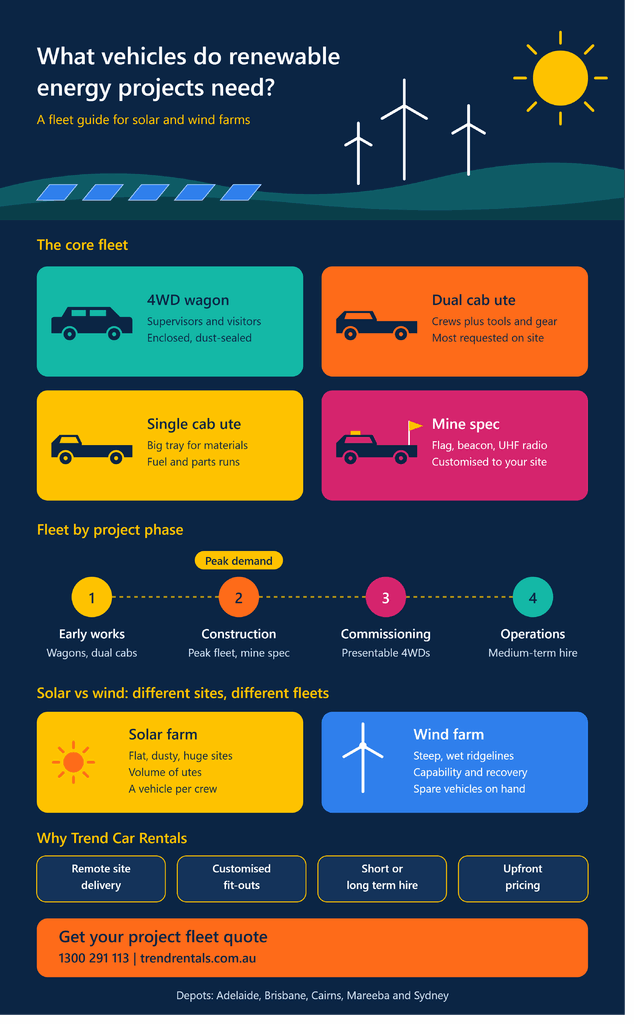
- Most solar and wind projects need a mixed fleet of 4WD wagons, single cab utes, dual cab utes and, on many sites, mine spec vehicles.
- Dual cab utes suit crews and supervisors. Single cab utes suit tools, tray loads and fast site laps.
- Fleet needs change by phase: early works, construction, commissioning and operations all look different.
- Flexible hire beats buying for most project timelines, because you scale up and down without owning idle assets.
- Confirm site vehicle requirements early (flags, beacons, UHF radios, bull bars) so vehicles arrive ready to work, not ready to be sent back.
Renewable energy projects are built where the sun is strongest and the wind is most reliable. That usually means remote, rough and a long way from the nearest workshop.
Get your vehicle fleet wrong and you pay for it in downtime, safety incidents and blown schedules. Get it right and your crews, contractors and inspectors move across the site safely every day.
This guide covers exactly what renewable energy vehicle hire should look like for solar and wind developers, EPC contractors and O&M teams. It includes vehicle types, project phases, site compliance and a practical planning process.
Why Renewable Energy Sites Need a Different Fleet Strategy
A city fleet is built around comfort and fuel economy. A project fleet is built around access, durability and safety.
Solar farms sprawl across hundreds or thousands of hectares of flat, dusty or corrugated tracks. Wind farms climb ridgelines, with steep, rutted or wet access roads between turbine pads. Both put heavy daily demands on suspension, tyres and cooling systems.
Add long travel times from accommodation to site and a workforce that changes week to week, and standard rental cars simply don’t cut it.
The Core Vehicles Every Project Fleet Needs
4WD Wagons and SUVs
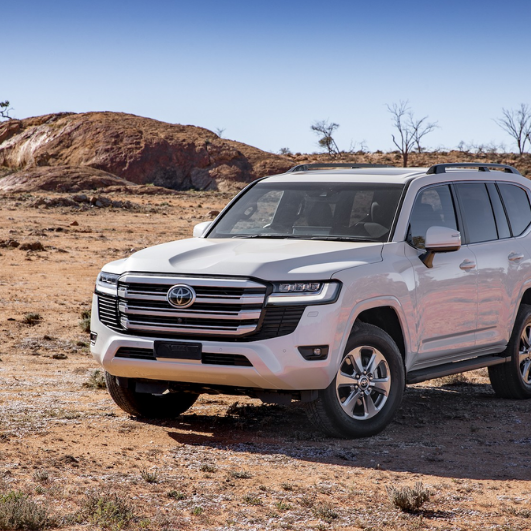
A 4WD hire for remote projects is the backbone of supervisor, client and inspector transport. Wagons carry people and gear in an enclosed, dust-sealed cabin, which matters when someone has to run a toolbox talk or review drawings on the road.
Best for: project managers, environmental and heritage officers, client visits, safety auditors.
Dual Cab Utes
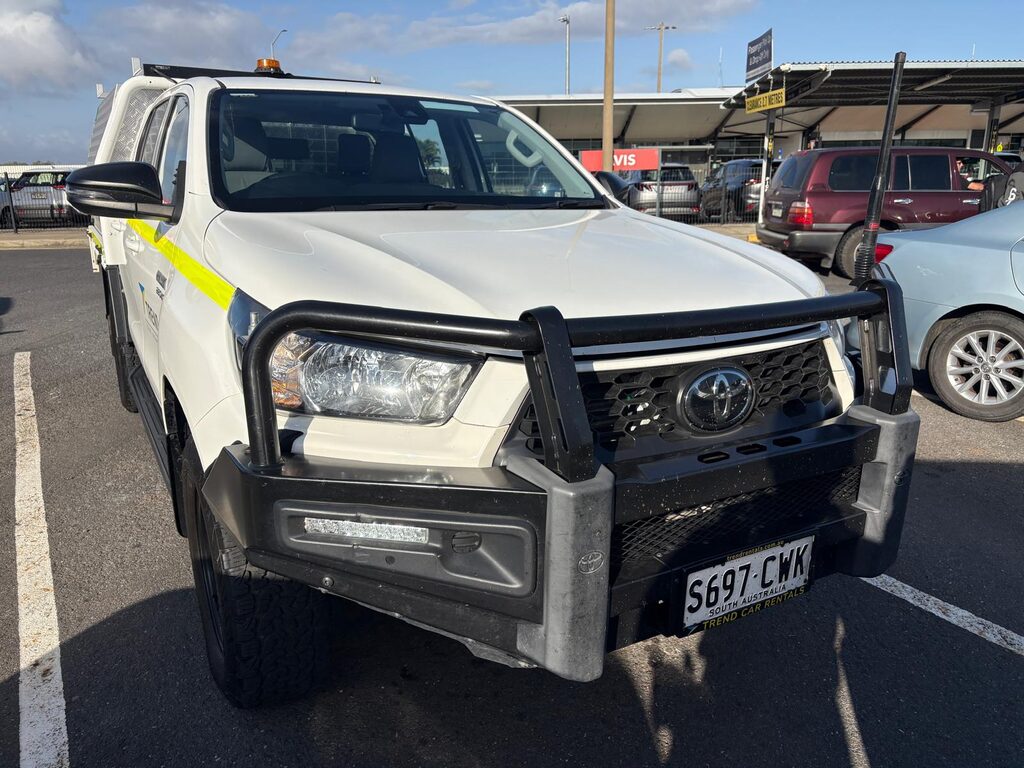
Dual cab utes are the most requested vehicle on renewable sites, and for good reason. They seat four to five people and still carry gear on the tray.
- Crew transport: move a survey, electrical or civil crew in one vehicle.
- Mixed loads: people inside, tools, pegs, cable drums or consumables out back.
- Towing: light trailers, generators, lighting towers and water carts.
Single Cab Utes
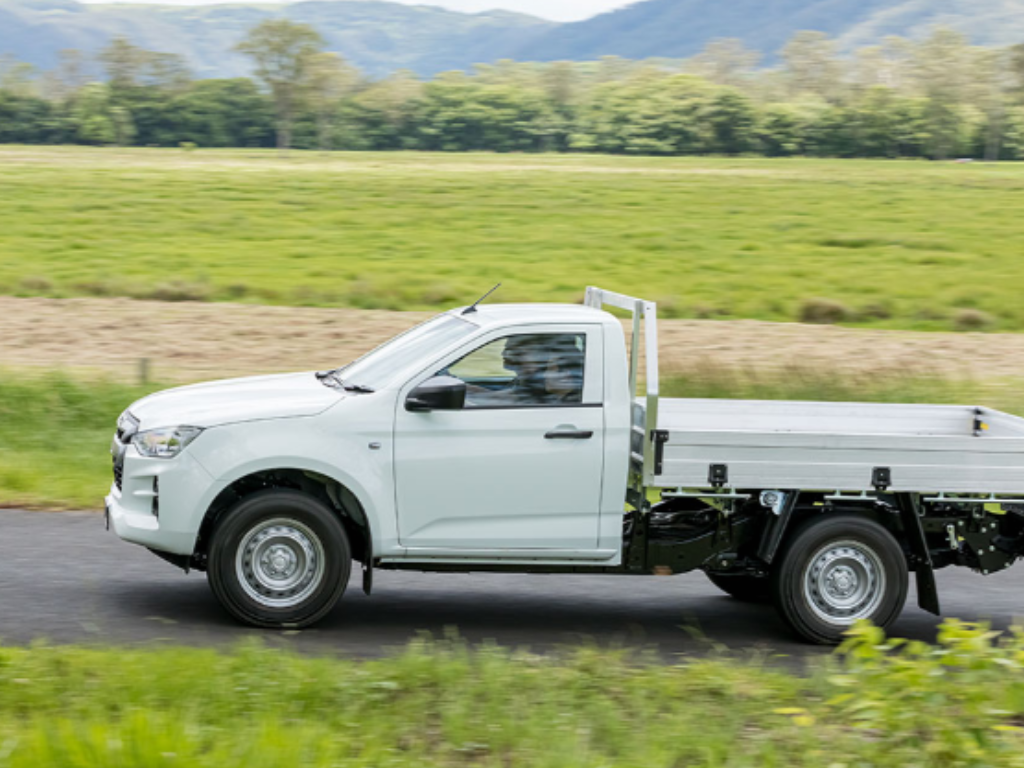
Single cab utes trade seats for tray space, and on a busy site that’s often the right trade. They’re ideal for one-person tasks like panel inspections, fence checks, fuel runs and parts deliveries.
A longer tray also means easier loading of long items such as conduit, survey gear and ladders. Many contractors keep a few single cabs on site as dedicated “runabouts” so crew vehicles stay with the crew.
Mine Spec Vehicles
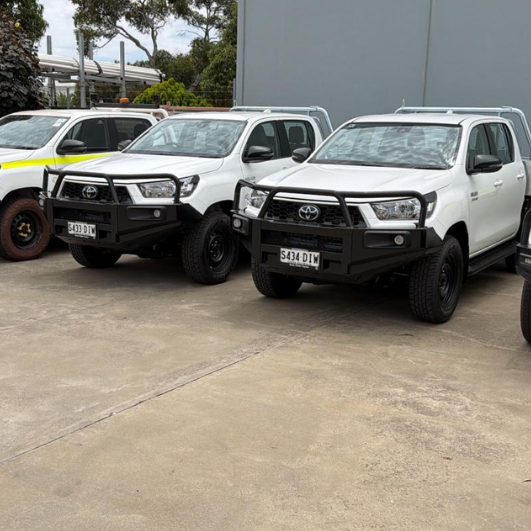
Mine spec vehicles are 4WDs and utes fitted to meet the requirements of high-risk or high-traffic worksites. They’re no longer just a mining requirement, because large renewable projects increasingly adopt similar standards.
Requirements vary by site, but a typical mine spec package includes:
- Whip flag (for visibility around heavy plant)
- Amber rotating beacon or LED light bar
- UHF radio
- Bull bar and driving lights
- Fire extinguisher and first aid kit
- Reversing alarm or camera
Always confirm the exact specification with your site induction team or principal contractor. Standards differ between sites and change between phases.
Support Vehicles: Buses, Trucks and Specialist Units
Once headcount climbs, you’ll also want people-movers (such as minibuses) for shift changeovers and light trucks for materials. A fleet partner can often coordinate these alongside your 4WDs and utes, which means one supplier and one point of contact.
Solar vs Wind: How Fleet Needs Differ
| Factor | Solar Farm | Wind Farm |
|---|---|---|
| Terrain | Flat to undulating, dusty, long straight tracks | Ridgelines, steep grades, often wet or rutted |
| Typical crews | Large, dispersed (piling, racking, panel install, electrical) | Smaller, specialised (civil, tower, crane, electrical) |
| Best core vehicle | Dual cab and single cab utes in volume | Dual cab 4WD utes and wagons with strong low-range capability |
| Distance pressure | Long site laps between work fronts | Long climbs and slow travel between turbine pads |
| Key risk | Dust, heat, high vehicle counts | Weather, steep access roads, heavy-lift interfaces |
For solar farm vehicle hire, think volume and repeatability. You’ll often need dozens of similar utes so each work crew has its own transport. For wind farm fleet rentals, think capability. Fewer vehicles, but they must handle serious terrain and be recoverable when conditions turn.
Match Your Fleet to the Project Phase
Phase 1: Early Works and Surveys
Small teams, rough or unformed tracks. Rent a few 4WD wagons and dual cab utes for survey, geotech, environmental and heritage crews.
Phase 2: Main Construction
This is your peak. Vehicle numbers jump, site traffic management becomes critical and mine spec requirements usually apply. Expect a mix of single cab utes, dual cab utes and wagons, plus minibuses if crews are bussed in.
Phase 3: Commissioning
Specialist testing teams, OEM engineers and client representatives arrive. Reliable, presentable 4WDs with the right site fit-out matter more than raw numbers.
Phase 4: Operations and Maintenance (O&M)
Smaller, permanent teams. Many operators choose medium-term hire here instead of buying, since fleet size shrinks sharply after construction and vehicles stay fresh and warrantied.
How to Plan Your Renewable Project Fleet: 7 Steps
- Map your workforce by phase. Count crews, shifts and peak headcount, not just total staff.
- Get the site vehicle standard in writing. Ask for the induction pack, spec sheet and any approved-vehicle list before you order.
- Assign vehicle types to tasks. Crews that carry people and tools get dual cabs. Single-person runs get single cabs. Supervisors and visitors get wagons.
- Plan for peak plus a buffer. Add roughly 10 to 15 percent spare capacity so a breakdown or service doesn’t strand a crew.
- Confirm servicing, breakdown and replacement terms. On a remote project, “we’ll get it looked at next week” isn’t an acceptable answer.
- Check delivery logistics. Where do vehicles arrive, who signs them over, and who inducts drivers?
- Build in flexibility. Choose a hire arrangement that lets you add or return vehicles as phases change.
Real-World Scenarios (Hypothetical Case Studies)
Case Study 1: A Large Solar Farm Build
An EPC contractor is building a multi-hundred-hectare solar farm with six work fronts: piling, racking, module install, cabling, civil and commissioning.
They hire a core group of dual cab utes for the crews and several single cab utes for fuel, parts and quality inspection runs. Two 4WD wagons go to the project manager and safety lead. Every vehicle arrives mine spec ready, with flags, beacons and UHF radios installed and tested before it reaches site.
The result: no vehicles turned away at induction, and crews start on day one.

Case Study 2: A Ridgeline Wind Farm
A wind developer is constructing turbine pads and access roads across steep, exposed country. After rain, tracks become slick and heavily rutted.
They choose 4WD dual cab utes with all-terrain tyres and recovery gear for the civil and electrical teams, supported by a small number of wagons for supervisors and OEM visitors. Because weather delays are likely, they hold spare vehicles in reserve.
The result: one bogged vehicle doesn’t stall a whole crew, because a replacement is already on site.

Hire vs Buy vs Lease for Renewable Projects
Construction is temporary, and fleet demand rises and falls with it. That’s why hire usually wins for project-based work.
- Hire: flexible, scalable, maintenance handled, ideal for construction and commissioning.
- Lease: a fit for long-term O&M teams with stable, predictable needs.
- Buy: ties up capital and leaves you with idle assets and resale risk once the build wraps up.
Before you decide, compare total cost of ownership, including servicing, downtime, insurance and disposal, rather than the headline daily rate.
Common Fleet Mistakes on Remote Renewable Sites
- Ordering standard vehicles for a mine spec site and having them turned away at the gate.
- Underestimating peak demand and scrambling for vehicles mid-project.
- Skipping spare vehicles, so one breakdown halts a crew.
- Ignoring driver fatigue and travel time. Long commutes on unsealed roads are a genuine safety risk.
- Choosing on price alone, without checking servicing and replacement support.
What to Look for in a Renewable Energy Vehicle Hire Partner
Not every rental company understands project work. Ask potential suppliers these questions:
- Can you supply mine spec vehicles fitted and ready for site induction?
- What’s your process for breakdowns and replacements in remote locations?
- Can you scale the fleet up and down as the project phase changes?
- Do you offer a single point of contact for the whole project?
- What experience do you have with resources, energy and infrastructure clients?
A good partner asks about your site, your phases and your compliance requirements before quoting. That tells you they understand the work.
Final Thoughts: Build the Fleet Around the Work
Renewable projects succeed when the logistics quietly work. The right mix of 4WDs, single cab utes, dual cab utes and mine spec vehicles, matched to each project phase, keeps crews safe, sites compliant and schedules on track.
Plan early, confirm your site standards, build in a buffer and choose a hire partner who understands remote project work. Ready to scope your fleet? Contact our team today for a tailored renewable energy vehicle hire quote.
Frequently Asked Questions
What vehicles are best for a solar farm construction site?
Dual cab utes are the most versatile choice, because they carry crews and tools together. Add single cab utes for runabout tasks and a few 4WD wagons for supervisors and visitors. Confirm whether the site requires mine spec fit-out.
What is a mine spec vehicle, and do renewable projects need one?
A mine spec vehicle is a 4WD or ute fitted with safety equipment such as a whip flag, beacon and UHF radio. Many large renewable sites require them during construction because of heavy plant movements. Check your site induction requirements to be sure.
Is it cheaper to hire or buy vehicles for a wind farm project?
For most construction projects, hiring is more cost-effective. You avoid capital outlay, maintenance burdens and resale risk, and you can scale the fleet as phases change. Buying may suit long-term O&M operations with stable vehicle needs.
What’s the difference between a single cab and a dual cab ute?
A single cab ute seats two and offers a larger tray, which suits tools and materials. A dual cab seats four to five with a smaller tray, which suits crew transport. Many projects use both.
How far in advance should I book a fleet for a remote project?
As early as your mobilisation plan allows, and ideally several weeks ahead for larger fleets. Fitting out mine spec vehicles and arranging remote delivery both take time, and availability tightens when several projects ramp up at once.