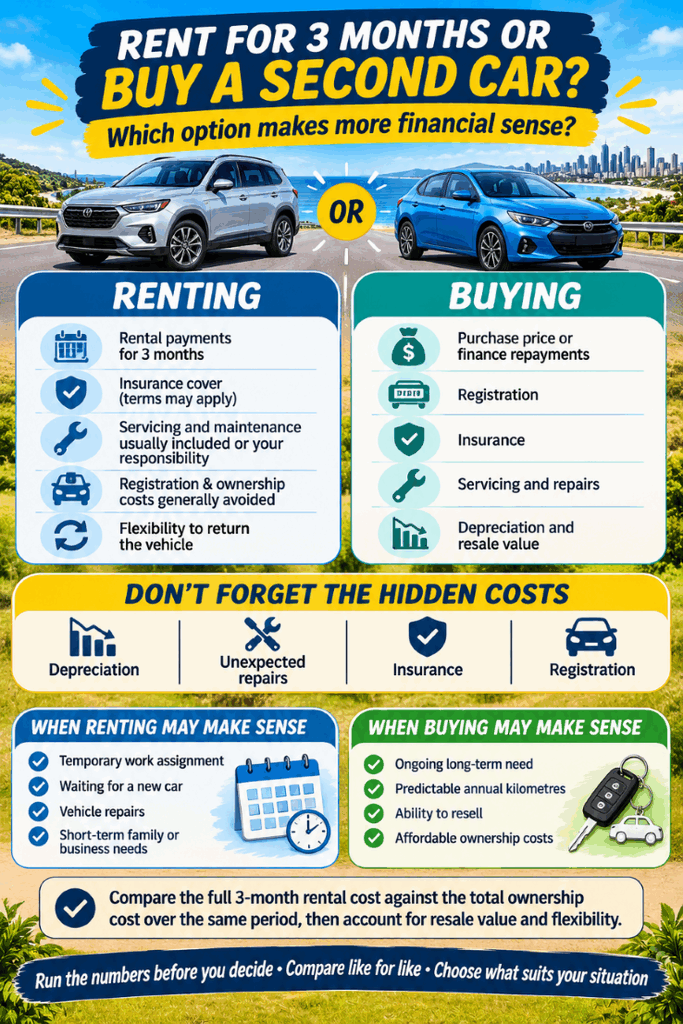
✅ For most Australians needing a vehicle for less than 3–6 months, long-term car rental Australia options are often cheaper and far less risky than buying a second car.
Renting eliminates:
Registration costs
Insurance premiums
Servicing expenses
Unexpected repairs
Vehicle depreciation
Resale hassles
While purchasing may appear cheaper upfront, hidden ownership costs can add thousands of dollars over just three months.
Best suited for:
Temporary work assignments
Visiting family members
Waiting for a new vehicle delivery
Seasonal workers
Growing families needing a larger vehicle temporarily
Road trips and extended holidays
The Growing Question: Rent a Car for 3 Months or Buy Another Vehicle?
Many Australian households find themselves needing an additional vehicle for a short period.
Perhaps your teenager has started driving, a family member is visiting, your vehicle is off the road after an accident, or you’ve accepted a temporary work contract in another city.
The traditional response has often been to purchase a second-hand car. However, rising used-car prices, insurance costs, maintenance expenses and ongoing depreciation have made many Australians reconsider whether buying actually makes financial sense.
The alternative?
Temporary car hire through a long-term rental agreement.
But which option really costs less?
Let’s break down the numbers.
Understanding the True Cost of Buying a Second Car
Most people focus only on the purchase price when comparing costs.
This is a mistake.
The actual cost of vehicle ownership extends far beyond what you pay at the dealership or private sale.
The Hidden Costs of Ownership
When you buy a second vehicle, you immediately become responsible for:
Vehicle depreciation
Registration and renewals
Comprehensive insurance
Maintenance and servicing
Tyres
Repairs
Roadside assistance
Vehicle inspections
Registration transfer fees
Financing costs (if applicable)
Even if you only keep the vehicle for three months, many of these costs still apply.
Example: Purchasing a $15,000 Used SUV
Let’s assume you buy a family SUV worth $15,000 and keep it for three months.
Expense
Estimated Cost
Vehicle depreciation
$500-$1,200
Registration portion
$250-$400
Insurance
$250-$600
Minor servicing
$250-$500
Unexpected repairs
$0-$1,500+
Transfer fees
$100-$300
Total Cost
$1,350-$4,500+
And that’s before considering the time and effort required to sell the vehicle afterwards.
Why Depreciation Is the Biggest Expense
Depreciation is often overlooked because it isn’t paid as a bill.
However, it’s real money lost.
The moment you buy a vehicle, its market value begins to decline.
If you purchase a vehicle for $15,000 and sell it three months later for $13,800, you’ve effectively spent $1,200 simply for the privilege of owning it.
For newer vehicles, depreciation can occur even faster.
This is one of the primary reasons many Australians choose temporary car hire instead of buying.
How Long-Term Car Rental Works
A long-term rental allows you to access a vehicle for weeks or months without ownership responsibilities.
Unlike daily rentals, long-term agreements often offer significantly reduced rates.
Typically included:
✅ Registration
✅ Comprehensive insurance
✅ Scheduled servicing
✅ Maintenance
✅ Roadside assistance
✅ Vehicle replacement if required
✅ Flexible vehicle upgrades
Instead of paying for ownership, you’re simply paying for usage.
Comparing Costs: Renting vs Buying Over Three Months
Let’s compare a realistic scenario.
Option 1: Buy a Family SUV
Purchase Price: $18,000
Three-Month Ownership Costs:
Depreciation: $1,000
Registration: $300
Insurance: $450
Servicing: $350
Miscellaneous expenses: $300
Total Cost: Approximately $2,400
Potential repair risks not included.
Option 2: Rent an SUV for 3 Months
Assume a discounted long-term rate.
Included:
Registration
Insurance
Servicing
Roadside assistance
Maintenance
Total Cost: Approximately $1,800–$2,700 depending on vehicle type and usage.
In many cases, the overall cost is similar, but renting removes the uncertainty and financial risk associated with ownership.
When Renting Is Almost Always the Better Financial Choice
1. You Only Need a Vehicle Temporarily
If your requirement is under six months, purchasing and reselling a vehicle may not be worth the effort.
Common situations include:
Temporary employment
Seasonal work
Visiting relatives
Insurance replacement periods
Extended holidays
A long-term car rental Australia solution provides immediate access without long-term commitment.
2. You Need a Larger Vehicle for Family Travel
Buying a larger family vehicle for a few months can be an expensive mistake.
Many households only require additional seating temporarily.
Examples include:
School holidays
Family reunions
Interstate travel
Sporting events
Wedding transportation
This makes temporary car hire particularly attractive.
Cost of Family Car Hire: What Should You Expect?
Family-sized vehicles remain among the most popular long-term rental options.
Depending on demand, location and season, costs vary.
Typical Family Vehicle Categories
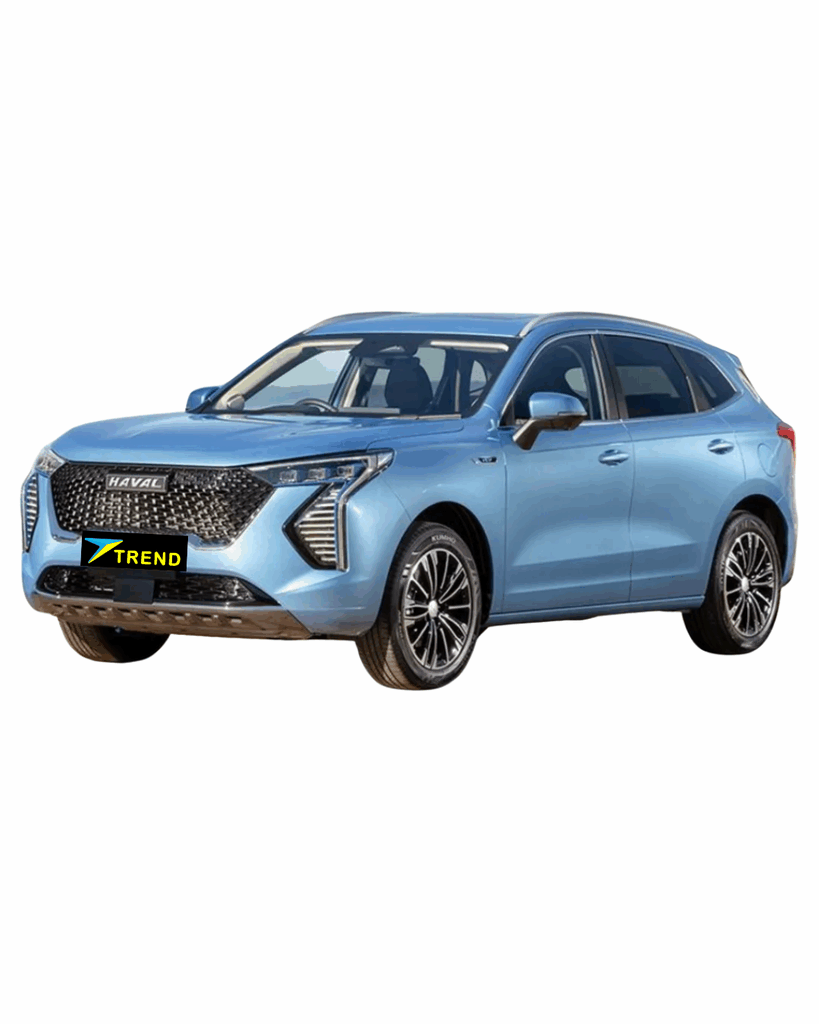
Medium SUVs
Large SUVs
7-seater vehicles
Wagons
People movers
The main advantage is predictable budgeting.
Unlike ownership, there are no surprise maintenance expenses.
Cost of a 7 Seater Rental
A 7-seater is ideal for:
Large families
Group holidays
Airport transfers
Sporting teams
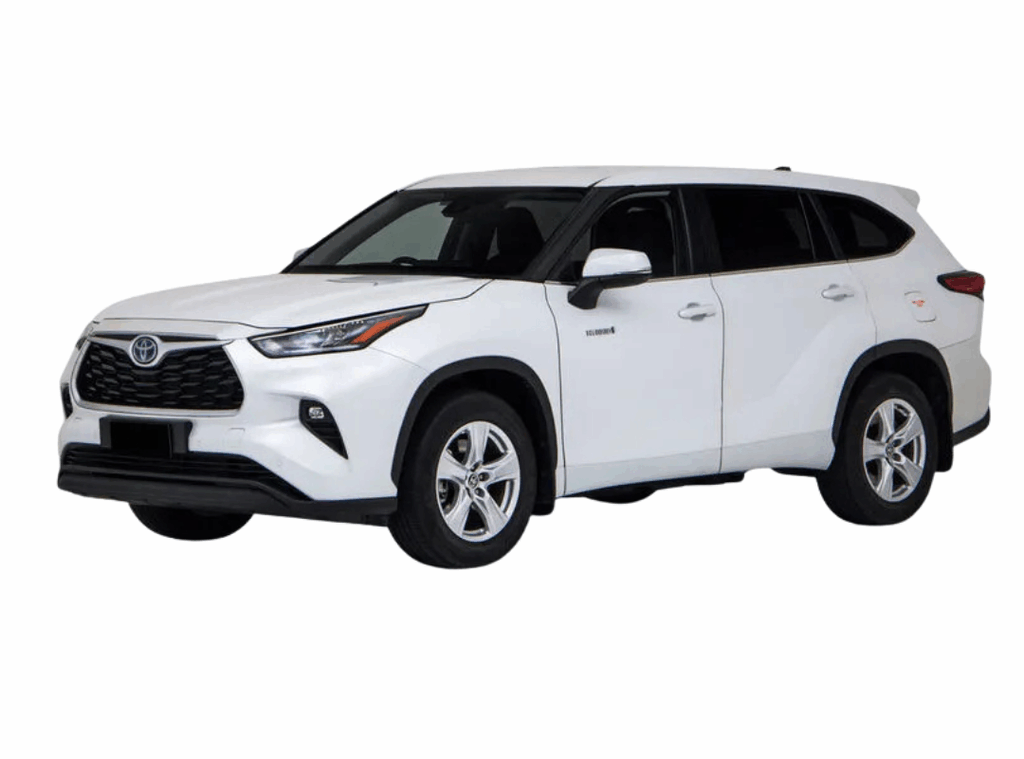
Popular options include:
Toyota Kluger
Mitsubishi Outlander
Hyundai Santa Fe
Kia Sorento
Benefits
Flexible seating
Large luggage capacity
Modern safety technology
Lower upfront commitment compared with purchasing
If your needs are temporary, it rarely makes financial sense to buy a 7-seater solely for a three-month period.
Cost of an 8 Seater Rental
An 8-seater rental becomes valuable when transporting larger groups.
Common choices include:
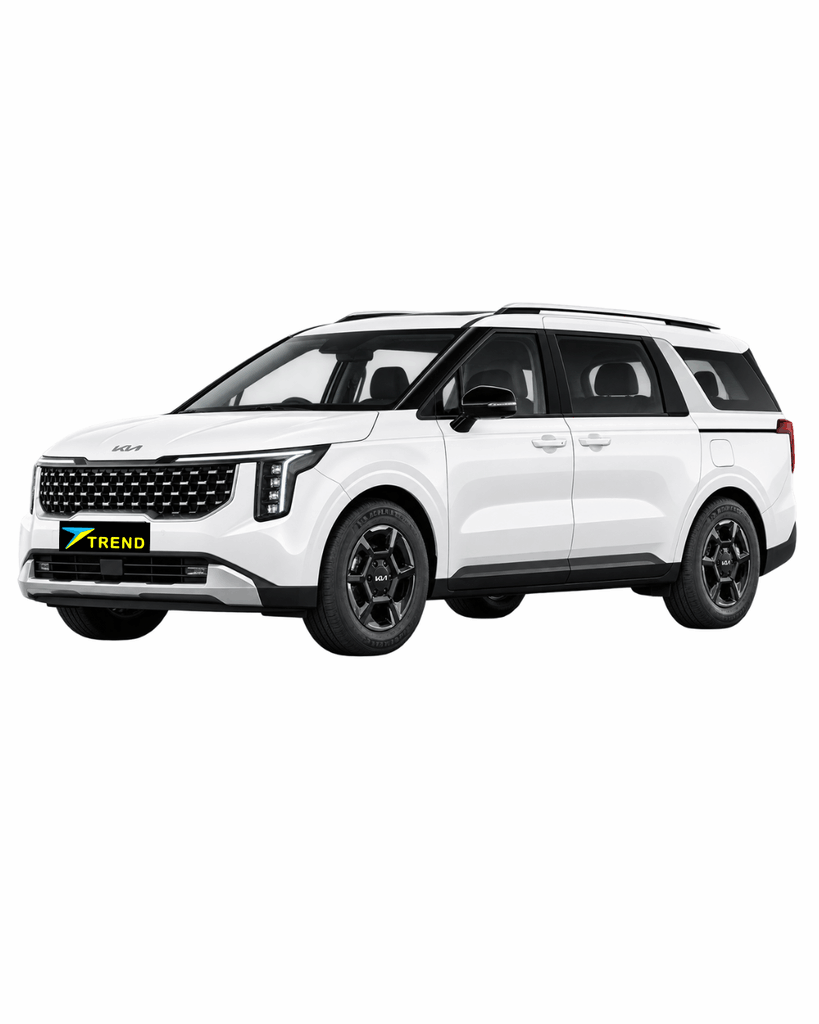
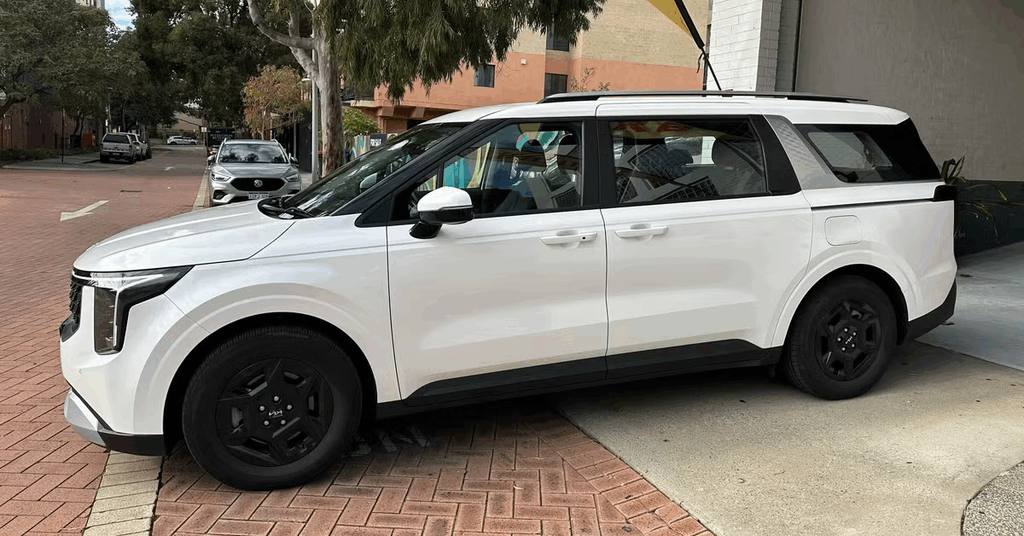
Kia Carnival
Hyundai Staria
Toyota Granvia
Best For
Family holidays
Business groups
Sporting clubs
Airport transport
Purchasing one of these vehicles can require an investment of tens of thousands of dollars.
For short-term use, renting often provides significantly greater flexibility.
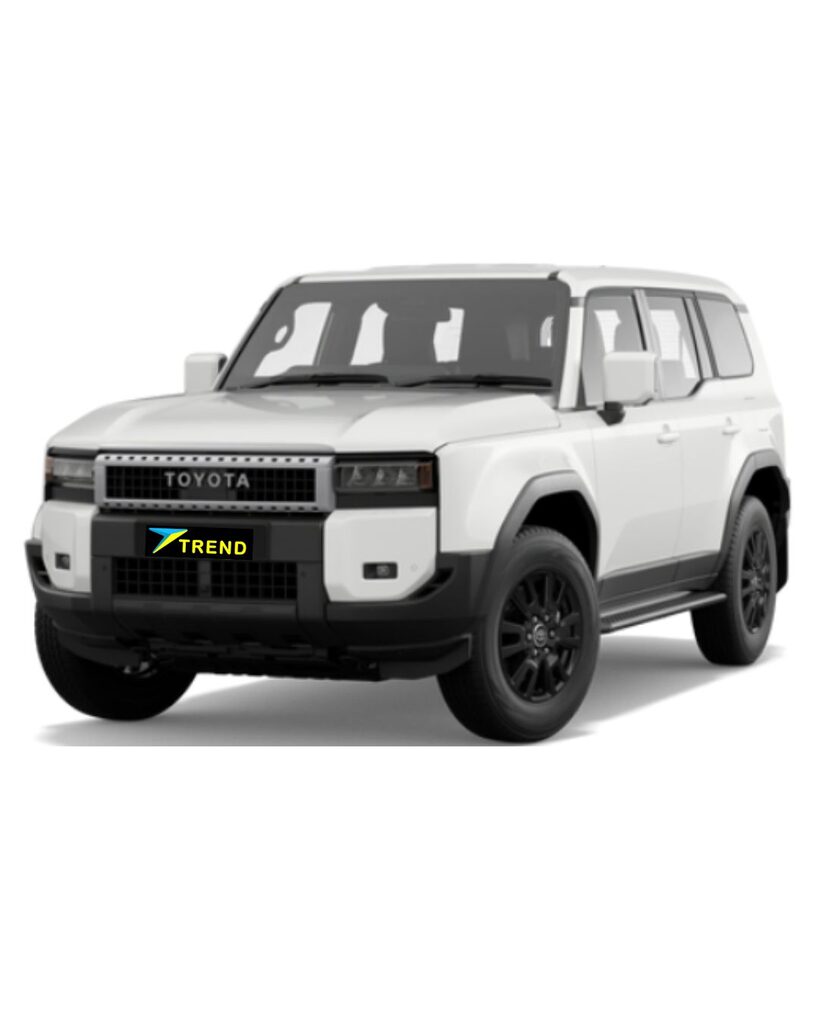
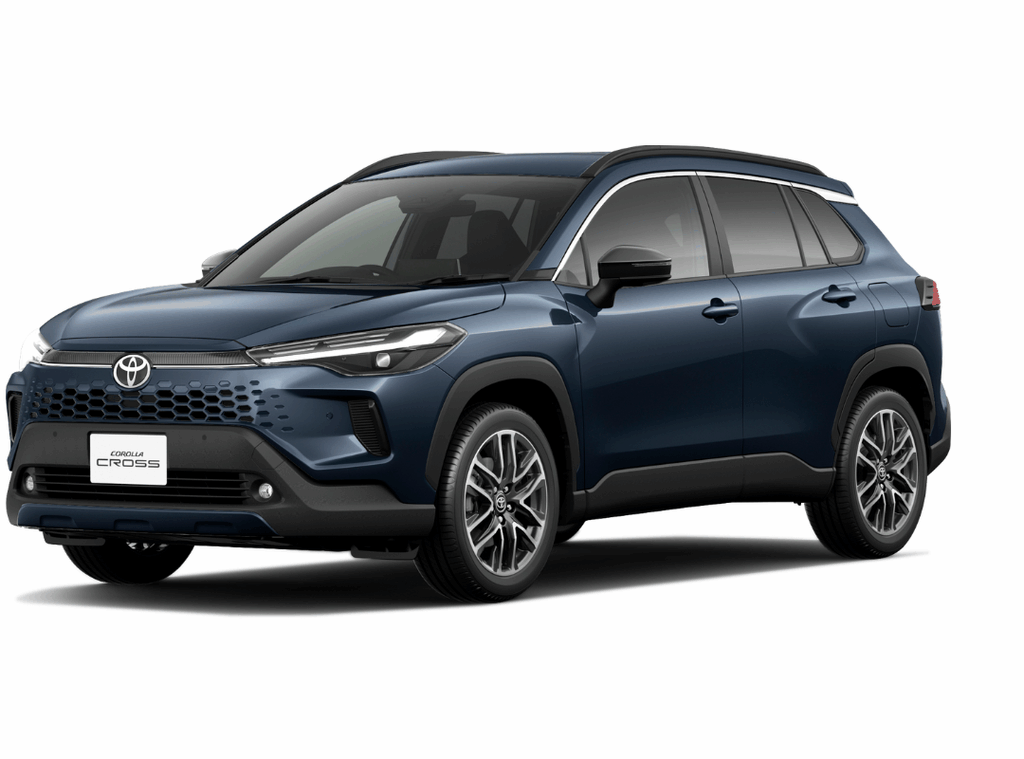
Cost of SUV Hire Compared with Ownership
SUVs remain Australia’s most popular vehicle segment.
However, larger SUVs can carry higher ownership costs through:
Increased fuel consumption
Higher insurance premiums
Expensive tyre replacement
Greater depreciation
Long-term rental allows drivers to access modern SUVs without absorbing those costs.
This is particularly valuable if you only need extra space for several months.
A Real-Life Scenario: Growing Family Needs More Space
Consider Sarah and Michael from Adelaide.
Their family vehicle comfortably accommodates them and their two children.
However, Sarah’s parents arrive from overseas and stay for three months.
The family suddenly requires additional seating and luggage capacity.
Option A: Buy a Used 8-Seater
They purchase a used people mover for $32,000.
Three months later:
Vehicle value drops
Registration costs are incurred
Insurance is paid
Minor repairs are needed
Time is spent finding a buyer
Total ownership cost: several thousand dollars.
Option B: Rent an 8-Seater
They secure a three-month rental.
Benefits include:
No large upfront purchase
Full insurance coverage
No maintenance concerns
Vehicle returned after use
For many households, the convenience alone justifies the decision.
Rental Cost = Monthly Rental Fee × Number of Months
If rental costs are within 10-20% of ownership expenses, renting often represents better value because it substantially reduces financial risk.
5 Questions to Ask Before Buying a Second Car
Before purchasing another vehicle, ask yourself:
1. How long do I really need it?
If it’s less than six months, renting deserves serious consideration.
2. Can I handle unexpected repair costs?
Even reliable vehicles can develop problems.
3. How easy will it be to sell later?
Resale can take weeks or months.
4. Will my needs change?
A rental agreement allows greater flexibility.
5. What is my time worth?
Buying, maintaining and selling a vehicle takes time.
Many people underestimate this hidden cost.
Why More Australians Are Choosing Long-Term Car Rental
Several factors are driving the shift:
Increased vehicle prices
Rising interest rates
Insurance premium increases
Higher repair costs
Greater flexibility demands
Long-term car rental Australia options allow drivers to avoid ownership headaches while gaining access to newer, safer and often more fuel-efficient vehicles.
For short-term and temporary requirements, the economics increasingly favour renting.
Final Verdict: Is Renting a Car for Three Months Cheaper?
In many situations, yes.
When all ownership expenses are included, renting a car for three months can be equal to or cheaper than buying a second vehicle.
Even when rental costs appear slightly higher on paper, the absence of:
Depreciation risk
Repairs
Insurance administration
Registration costs
Resale hassles
often makes renting the superior financial decision.
If your vehicle requirement is temporary, a long-term car rental is usually the most predictable, flexible and stress-free option available.
For families needing a larger vehicle, travellers staying in Australia for extended periods, or households avoiding the expense of another car purchase, temporary car hire can deliver excellent value while preserving financial flexibility.
Frequently Asked Questions
Is it cheaper to rent a car for three months than buy one?
Often yes. When depreciation, insurance, registration, servicing and maintenance are included, a three-month rental can be comparable or cheaper than buying and then reselling a vehicle.
What is considered long-term car rental in Australia?
Most rental companies classify rentals of 28 days or longer as long-term rentals, with discounted monthly rates often available.
Does long-term car hire include insurance?
In most cases, long-term rentals include insurance options, although coverage levels and excess amounts vary between providers.
Is renting an SUV for three months worth it?
Yes, especially if the need is temporary. Renting avoids depreciation, maintenance costs and the challenge of selling the vehicle later.
Should I buy or rent a 7-seater or 8-seater for a short period?
For short-term needs such as holidays, visiting relatives or temporary family requirements, renting is usually more practical and financially efficient than purchasing an additional vehicle.