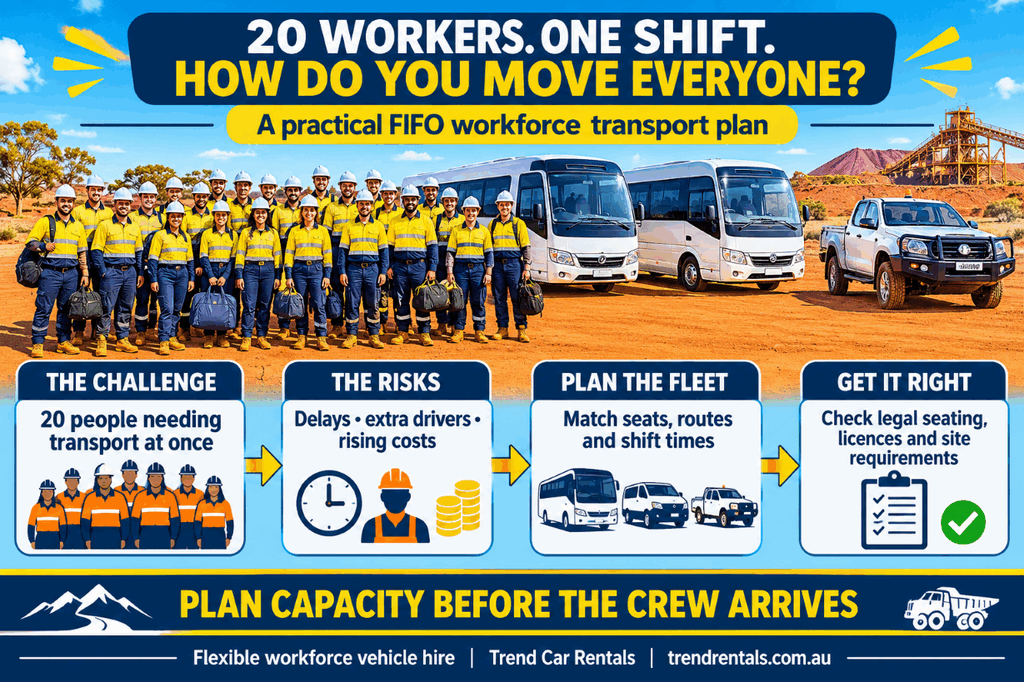
When 20 FIFO workers need transport simultaneously, choosing the wrong vehicle solution can increase costs, delay shift changes, create safety risks, and reduce productivity.
Best Transport Options:
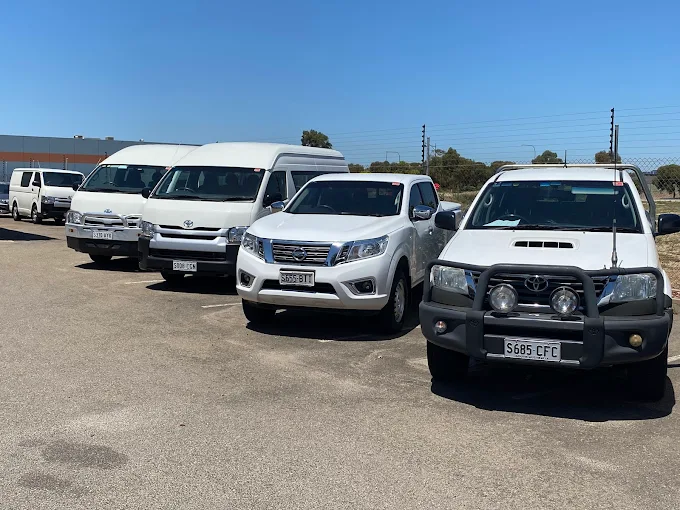
✅ Individual Vehicles – Best for dispersed teams and staggered movements. ✅ People Movers (7–8 seats) – Ideal for small crews and supervisors. ✅ Minibuses (12–25 seats) – Most efficient solution for large workforce movements.
For most mining companies transporting 20 workers from airports, camps, accommodation, or project sites, minibus hire delivers the lowest cost per person, fewer drivers, improved safety compliance, and reduced logistical complexity.
Why FIFO Transport Becomes a Major Challenge
Mining operations run on one thing above all else: people arriving where they need to be, exactly when they need to be there.
Yet many mining companies underestimate the complexity of workforce transport until they face a common scenario:
A charter flight lands carrying 20 FIFO workers.
All workers must reach accommodation, inductions, or site access points quickly.
Management suddenly faces several questions:
How many vehicles are needed?
Who will drive?
Which option is safest?
What happens if a vehicle breaks down?
How can costs be controlled?
These challenges multiply across large operations in regions such as:
Pilbara
Bowen Basin
Hunter Valley
Olympic Dam
Whyalla
Roxby Downs
Kalgoorlie
Central Queensland mining corridors
For companies managing hundreds of FIFO personnel every week, workforce transport becomes a critical operational resource rather than simply a logistics task.
The Real Cost of Poor FIFO Worker Transport
Many businesses focus only on vehicle hire costs.
The bigger costs often remain hidden.
Delayed Shift Commencements
If workers arrive late due to transport issues:
Pre-start meetings are missed
Inductions are delayed
Operational handovers are interrupted
Production schedules suffer
Even a 30-minute delay involving 20 workers can translate into significant lost productivity.
Driver Fatigue Risks
Using multiple light vehicles means multiple drivers.
When workers are already travelling long distances:
Airport transfers
Long highway journeys
Night arrivals
Additional driving duties can increase fatigue exposure.
This creates avoidable safety risks and potential compliance concerns.
At short notice can be challenging in regional mining centres.
During peak periods, particularly around major shutdowns, vehicle demand often exceeds supply.
FIFO Workforce Transport Solutions Compared
Let’s compare the three most common approaches.
Option 1: Individual Vehicles
Example Scenario
20 workers transported using:
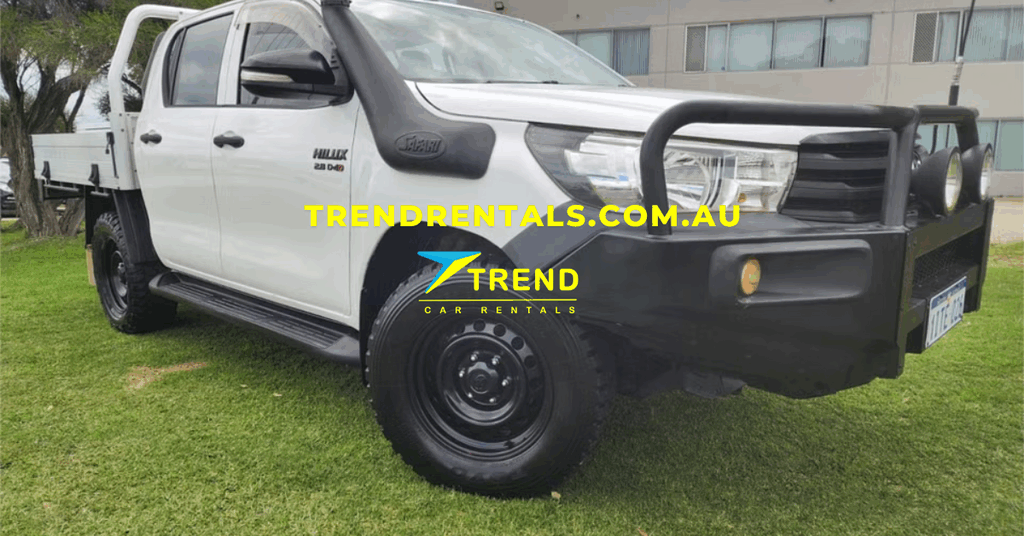
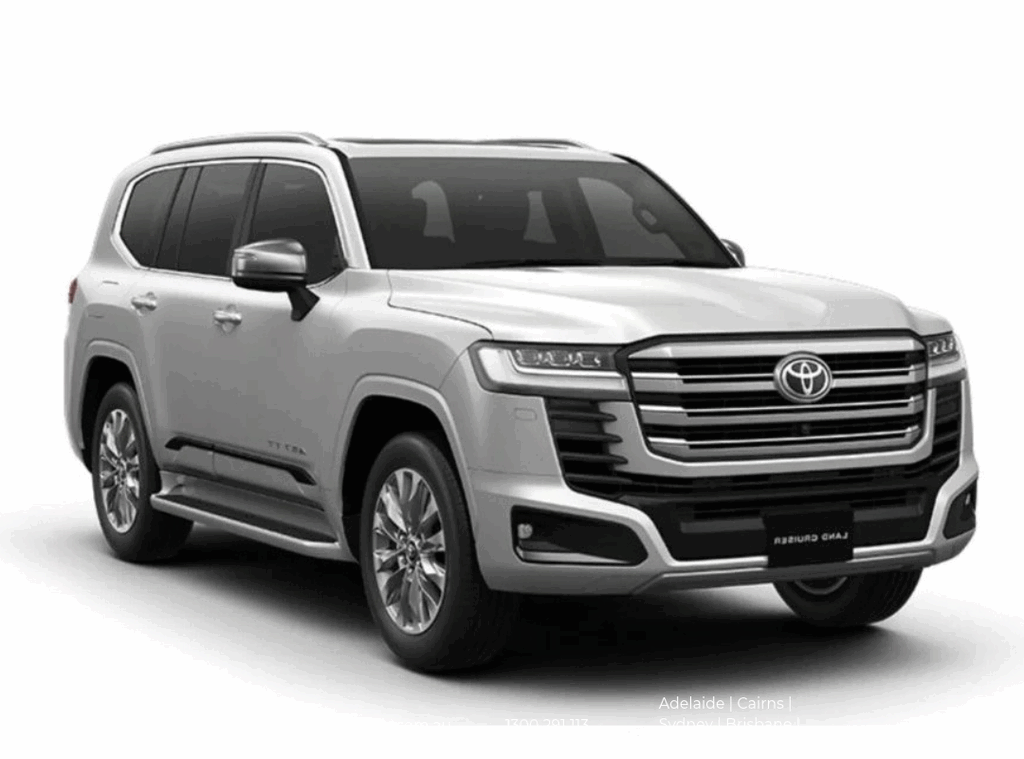
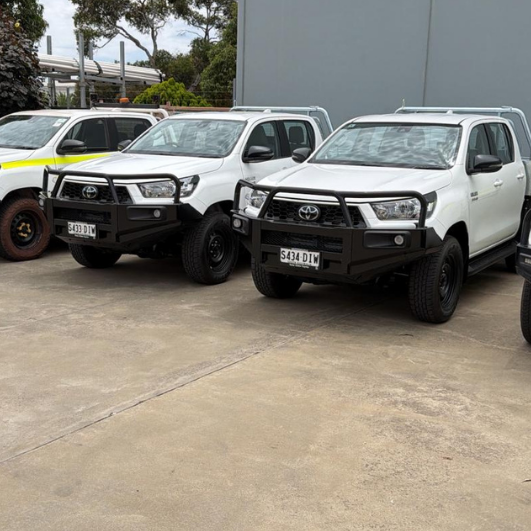
5 x 4WD wagons
4 workers per vehicle
Benefits
✅ Maximum flexibility
✅ Workers can travel independently
✅ Suitable for multiple destinations
✅ Useful for supervisors and management personnel
Drawbacks
❌ Requires multiple drivers
❌ Higher fuel costs
❌ More parking space requirements
❌ Increased administration
❌ More exposure to driving incidents
Best For
Individual vehicles work best when:
Teams are spread across multiple locations
Workers need independent mobility
Long-term site use is expected
For daily bulk workforce movements, they are often inefficient.
Option 2: People Movers
Example Scenario
20 workers transported using:
3 x 8-seat people movers
Typical vehicles include:
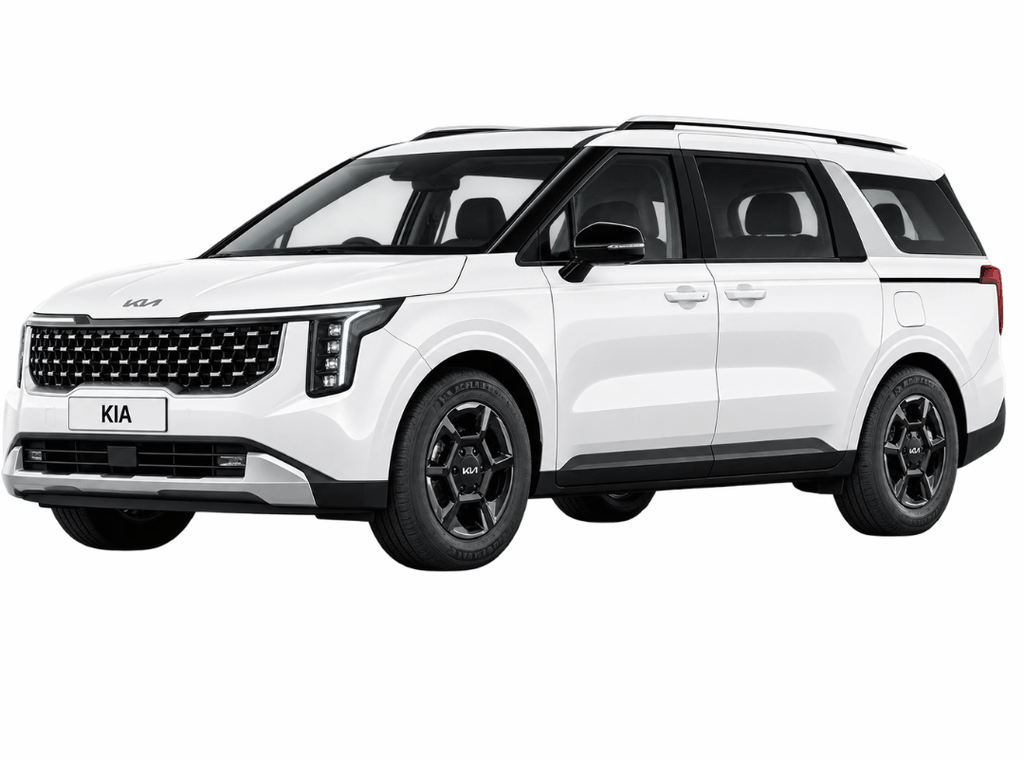
Kia Carnival
Hyundai Staria
Toyota Granvia
Benefits
✅ Greater passenger capacity
✅ Comfortable airport transfers
✅ Lower vehicle count
✅ Easier logistics management
✅ Improved fuel efficiency
Drawbacks
❌ Limited luggage capacity when fully occupied
❌ More vehicles required than a bus solution
❌ Not ideal for very large crews
Best For
People movers are ideal when transporting:
Supervisors
Technical crews
Small shutdown teams
Fly-in maintenance groups
They provide a middle ground between SUVs and minibuses.
Option 3: Minibus Hire
Example Scenario
20 workers transported using:
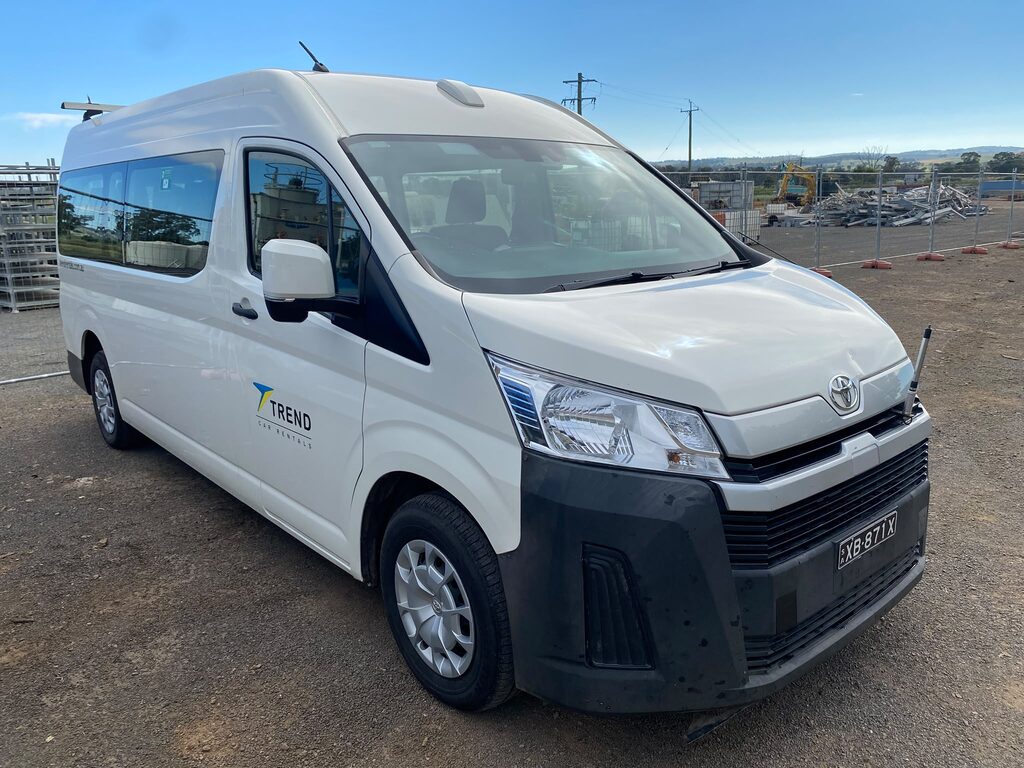
1 x 22-seat minibus
or
2 x 12-seat minibuses
Benefits
✅ Lowest cost per passenger
✅ Minimal vehicle fleet required
✅ Simplified scheduling
✅ Reduced driver requirements
✅ Easier convoy management
✅ Lower carbon footprint
✅ Better workforce accountability
Drawbacks
❌ Less individual flexibility
❌ Requires centralised planning
❌ May require drivers with specific licence requirements depending on vehicle size
Best For
Minibuses are generally the most effective option for:
FIFO airport transfers
Camp transportation
Shift changeovers
Shutdown crews
Construction project mobilisation
For moving groups of 15–25 employees simultaneously, minibuses are usually the most economical solution.
FIFO Transport Cost Comparison
Example: Moving 20 Workers
Individual Vehicles
5 vehicles
5 fuel bills
5 drivers
5 sets of administration
Higher parking requirements
People Movers
3 vehicles
Lower fuel consumption
Fewer drivers
Reduced fleet management
Minibus
1 vehicle
Single driver
Lowest operational complexity
Simplified passenger tracking
As workforce numbers increase, the cost advantage of minibuses generally becomes more significant.
A Realistic FIFO Transport Scenario
Case Study: Shutdown Workforce Mobilisation
A mining contractor must mobilise:
20 electricians
4 supervisors
2 site managers
Workers arrive on a charter flight within a 30-minute window.
Option A: Individual Vehicles
Required:
6 vehicles
6 drivers
Challenges:
Convoy coordination
Vehicle parking
Increased fuel use
Option B: People Movers
Required:
4 people movers
Result:
Easier coordination
Lower operating costs
Option C: Minibuses
Required:
2 minibuses
Result:
Simplified logistics
Faster mobilisation
Reduced driver fatigue exposure
Lower overall transport cost
For large-scale shutdowns, the transport team can focus on workforce management rather than vehicle coordination.
How Mining Companies Can Improve Workforce Transport
Step 1: Forecast Passenger Volumes
Start by analysing:
Weekly arrivals
Shift change patterns
Airport transfer requirements
Contractor numbers
Predictable demand leads to better fleet utilisation.
Step 2: Match Vehicle Type to Group Size
As a general guide:
Passenger Numbers
Recommended Vehicle
1–4
SUV or ute
5–8
People mover
9–12
Small minibus
13–25
Medium minibus
25+
Bus or coach
Choosing the right vehicle prevents over-hiring or under-capacity issues.
Step 3: Prioritise Safety and Compliance
Mining companies should assess:
ANCAP safety ratings
Mine-spec requirements
Fatigue management procedures
Vehicle maintenance schedules
Emergency equipment
Transport safety is often just as important as site safety.
Step 4: Consider Seasonal Demand
Transport demand can spike during:
Shutdown periods
Construction projects
Expansion works
Maintenance campaigns
Booking vehicles well in advance reduces availability risks.
Step 5: Consolidate Transport Where Possible
Many mining businesses automatically book multiple vehicles when a single minibus could perform the same task.
Consolidation can deliver:
Lower costs
Less administration
Reduced emissions
Fewer drivers
Improved scheduling
The Future of FIFO Worker Transport
Mining companies are increasingly seeking:
Centralised transport planning
Technology-driven fleet management
Reduced carbon emissions
Flexible hire solutions
Workforce productivity improvements
As labour costs continue rising, efficient transport becomes a competitive advantage.
The organisations that optimise workforce movement are often able to improve utilisation, reduce delays, and better control operational expenses.
Why Mine Site Vehicle Hire Matters More Than Ever
Whether transporting workers from:
Airports
Camps
Motels
Regional accommodation
Project sites
The right transport strategy directly impacts:
Productivity
Safety
Workforce satisfaction
Operating costs
For groups of 20 workers, vehicle selection is no longer a simple booking decision.
It becomes a logistical exercise that can influence site performance every single day.
Mining companies that strategically combine individual vehicles, people movers, and minibuses create more resilient transport systems while maintaining the flexibility needed for modern FIFO operations.
Final Thoughts
The FIFO transport problem isn’t really about moving vehicles.
It’s about moving people safely, efficiently, and cost-effectively.
While individual vehicles still have an important role for supervisors and dispersed teams, people movers and minibuses are typically the most efficient solution for transporting larger workforces.
For mining contractors, shutdown specialists, and major resource companies, choosing the right FIFO worker transport strategy can reduce costs, improve safety outcomes, minimise delays, and ensure workers arrive ready for the task ahead.
When 20 workers need transport at exactly the same time, the answer isn’t always more vehicles.
Often, it’s simply the right vehicle.
FAQ: FIFO Worker Transport
What is the most efficient way to transport 20 FIFO workers?
For most mining operations, a minibus or small fleet of minibuses offers the most efficient combination of cost, safety, passenger capacity, and logistical simplicity.
Are people movers suitable for mining workforce transport?
Yes. People movers are ideal for moving smaller crews, supervisors, engineers, and technical personnel. They provide a balance between comfort and capacity for groups of 5–8 passengers.
When should mining companies use individual rental vehicles?
Individual vehicles work best when workers need to travel to multiple locations or require independent mobility throughout the day.
Is minibus hire cheaper than hiring multiple SUVs?
In many cases, yes. Minibuses typically reduce driver numbers, fuel consumption, and administrative overhead, resulting in a lower overall cost per passenger.
What should companies consider when hiring mine site transport vehicles?
Key considerations include passenger numbers, site requirements, safety specifications, maintenance standards, driver fatigue management, luggage capacity, and expected travel distances.