
Seasonal work in Australia moves fast. Whether it’s harvest season, peak construction periods, or regional workforce demand spikes, employers are under constant pressure to move people efficiently, safely, and in full compliance with regulations. Transport becomes more than just a logistical detail—it becomes a critical part of operational success.
For many businesses, especially those operating under workforce programs like the PALM scheme, hiring a minibus has emerged as the most practical and cost-effective solution. It’s not just about getting workers from point A to point B; it’s about doing it reliably, safely, and in a way that supports productivity.
Minibus hire offers a unique balance between flexibility, compliance, and cost control. Instead of juggling multiple vehicles or relying on inconsistent transport arrangements, businesses can streamline their operations with a single, purpose-built solution. The benefits go far beyond convenience—and when done right, they can significantly improve both your bottom line and your workforce experience.
A Smarter Way to Move People at Scale
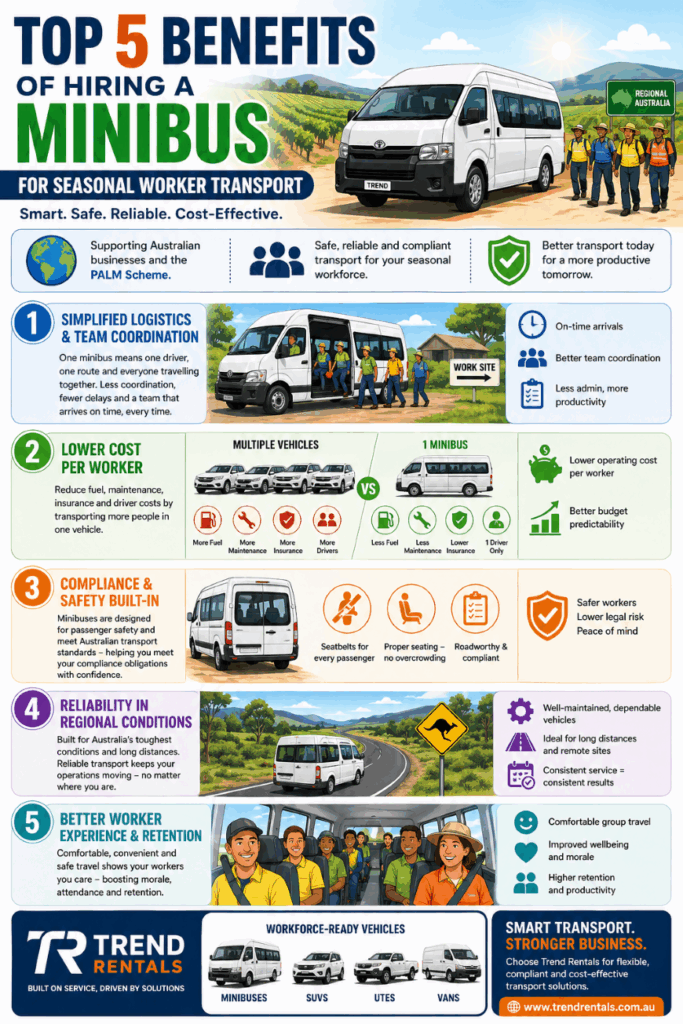
Transporting seasonal workers often involves tight schedules, early starts, and remote locations. Coordinating multiple cars can quickly become inefficient and chaotic, especially when teams need to arrive together and on time. A minibus changes that dynamic entirely.
With a single vehicle capable of transporting 9 to 12 workers comfortably, employers can simplify logistics dramatically. Everyone travels together, reducing delays and eliminating the need for convoy-style driving. This not only saves time but also reduces fuel usage, wear and tear, and administrative headaches.
Businesses that rely on regional operations—particularly in agriculture or infrastructure—often deal with long distances between accommodation and job sites. A minibus provides a centralised transport solution that keeps teams organised and aligned. Workers arrive together, start together, and finish together, which naturally improves workflow consistency.
For companies already exploring options like vehicle hire solutions, minibuses offer one of the most efficient fleet configurations for workforce mobility.
Built for Compliance in Australian Conditions
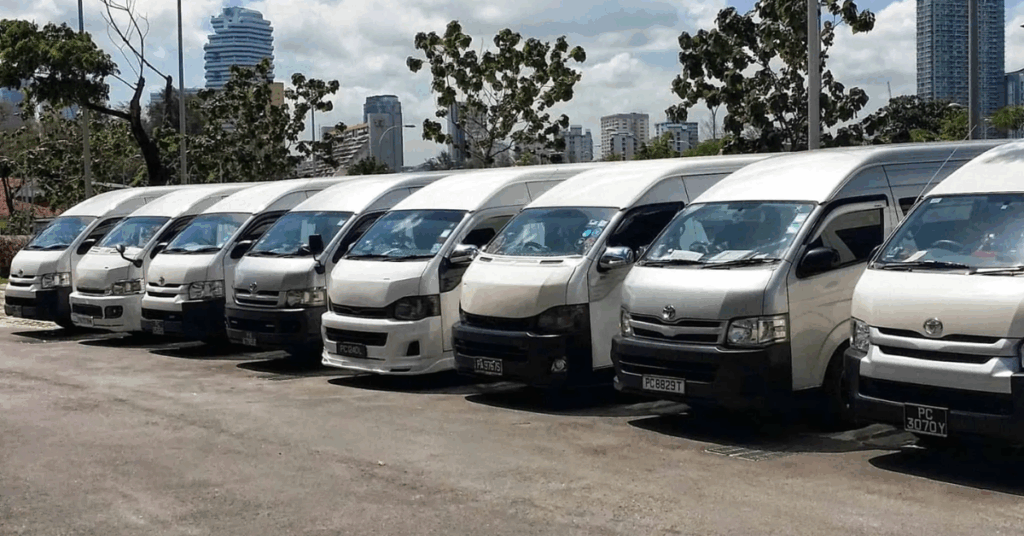
Australia has strict regulations when it comes to transporting workers, especially under structured programs like the PALM scheme. Employers are responsible for ensuring that vehicles are safe, roadworthy, and suitable for passenger transport. This is where minibuses stand out.
Unlike improvised solutions—such as using utes or multiple small vehicles—minibuses are designed specifically for carrying people. They come equipped with proper seating, seatbelts for every passenger, and configurations that meet legal requirements.
Hiring a compliant minibus removes a significant layer of risk. Instead of worrying about whether your transport setup meets regulations, you can rely on a vehicle that is already aligned with safety standards. This is particularly important for businesses operating across multiple sites or states, where compliance expectations can vary.
For organisations navigating workforce transport obligations, resources like this guide on PALM scheme vehicle compliance highlight just how important it is to choose the right vehicle type from the outset.
Beyond legal compliance, there’s also a reputational aspect. Providing safe and appropriate transport demonstrates a commitment to worker wellbeing, which is increasingly important for both government oversight and workforce satisfaction.
Cost Efficiency Without Compromising Quality
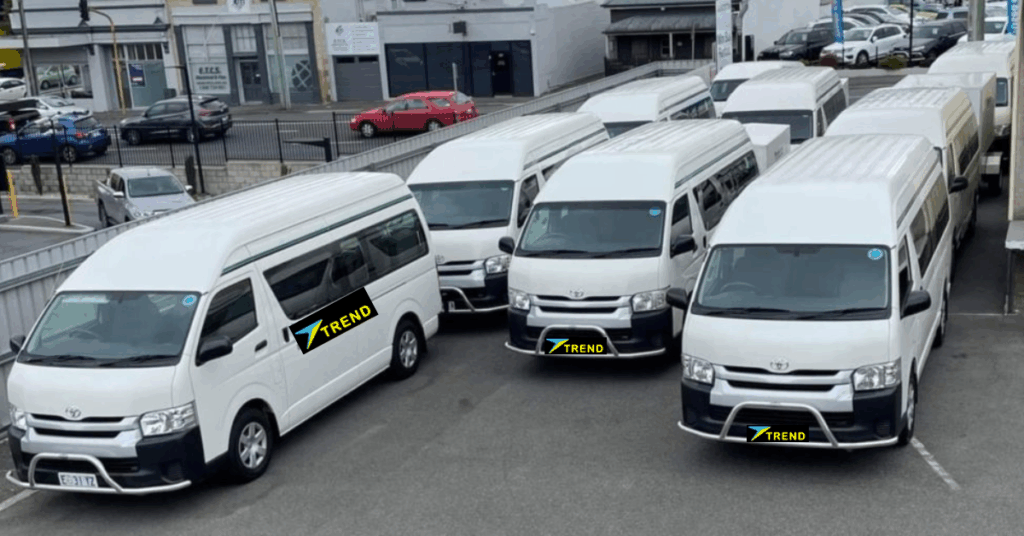
At first glance, hiring a minibus might seem like an added expense. But when you look at the bigger picture, it often delivers substantial cost savings compared to alternative transport methods.
Running multiple vehicles means higher fuel costs, more maintenance, increased insurance exposure, and additional administrative overhead. Each vehicle also requires a driver, which can complicate scheduling and increase labour costs. A single minibus consolidates all of that into one streamlined solution.
There’s also the hidden cost of inefficiency. When workers arrive at different times due to fragmented transport arrangements, productivity suffers. Delays at the start of the day can ripple through the entire operation. A minibus eliminates that variability, ensuring that teams are where they need to be, exactly when they need to be there.
Hiring rather than owning the vehicle adds another layer of financial flexibility. Businesses avoid upfront capital expenditure and depreciation while still gaining access to reliable, well-maintained vehicles. This is particularly valuable for seasonal operations, where demand fluctuates throughout the year.
For companies comparing transport options, it’s worth exploring how fleet rental strategies can reduce long-term costs while improving operational efficiency.
Reliability That Keeps Operations Moving
Seasonal work doesn’t allow much room for error. A breakdown, delay, or transport issue can disrupt an entire day’s work, especially in industries where timing is critical—like harvesting or construction scheduling.
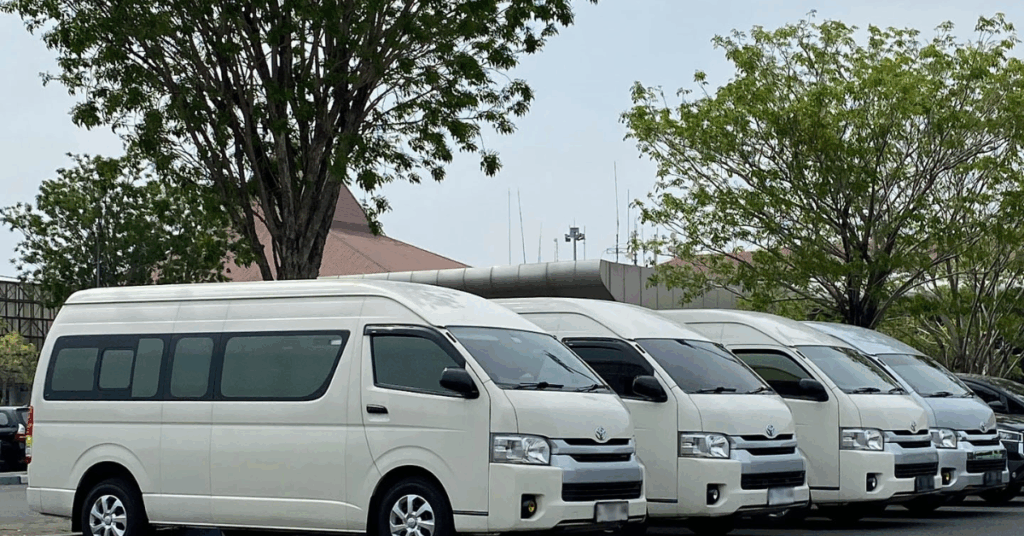
Minibuses hired from professional providers are typically maintained to a high standard, reducing the risk of unexpected issues. Regular servicing, safety checks, and fleet management practices ensure that vehicles are ready to perform in demanding conditions.
This reliability becomes even more important in regional and remote areas, where access to immediate support can be limited. Knowing that your transport solution is dependable provides peace of mind and allows you to focus on core business activities.
There’s also a practical advantage in having a single, consistent vehicle. Drivers become familiar with the vehicle, routes become standardised, and operations run more smoothly. Over time, this consistency translates into measurable productivity gains.
For businesses operating across challenging environments, having access to dependable commercial vehicle hire options can make a significant difference in day-to-day operations.
A Better Experience for Your Workforce
Transport isn’t just about logistics—it’s also about people. Seasonal workers often face long days, early starts, and physically demanding tasks. The journey to and from work plays a bigger role in their overall experience than many employers realise.
A minibus provides a more comfortable and social travel environment compared to crowded or improvised transport solutions. Workers can sit properly, travel together, and start the day in a more organised and positive way. This might seem like a small detail, but it can have a meaningful impact on morale.
When workers feel that their safety and comfort are prioritised, it builds trust and improves retention. In industries where workforce availability is a constant challenge, this can be a significant advantage.
There’s also a cultural aspect to consider, particularly for PALM scheme workers. Travelling together allows for stronger team cohesion and a sense of community, which can enhance both wellbeing and productivity.
Employers who invest in better transport solutions often find that it pays off in more ways than expected—from improved attendance to higher overall engagement.
Flexibility That Matches Seasonal Demand
One of the biggest challenges in seasonal industries is variability. Workforce numbers can change quickly depending on demand, weather conditions, or project timelines. Owning a fixed fleet doesn’t always align with these fluctuations.
Hiring a minibus offers the flexibility to scale your transport solution up or down as needed. During peak periods, additional vehicles can be added to the fleet. When demand drops, you’re not left with underutilised assets.
This flexibility extends to vehicle types as well. Depending on your needs, you might combine minibuses with vans or other vehicles to create a tailored transport solution. The ability to adapt quickly is a major advantage in fast-moving industries.
For businesses exploring flexible transport options, minibus hire provides a practical way to stay agile without compromising on quality or compliance.
Supporting Long-Term Operational Efficiency
While the immediate benefits of hiring a minibus are clear, the long-term impact is just as important. Efficient transport systems contribute to smoother operations, better workforce management, and improved financial performance.
Over time, the savings from reduced fuel usage, lower maintenance costs, and improved productivity can add up significantly. More importantly, a well-organised transport strategy reduces stress on management teams and allows businesses to focus on growth.
Minibus hire also aligns with broader trends in fleet management, where flexibility and efficiency are becoming increasingly important. Instead of tying up capital in depreciating assets, businesses are shifting towards solutions that offer both performance and adaptability.
For companies looking to future-proof their operations, investing in smarter transport solutions is a step in the right direction.
Conclusion: A Practical Solution with Real Impact
Hiring a minibus for seasonal worker transport isn’t just a convenience—it’s a strategic decision that can improve safety, reduce costs, and enhance overall efficiency.
From simplifying logistics to ensuring compliance and supporting worker wellbeing, the advantages are clear. In industries where every day counts and margins matter, having the right transport solution can make a meaningful difference.
As workforce demands continue to evolve, businesses that adopt flexible and reliable transport strategies will be better positioned to succeed. Minibus hire offers a practical, scalable, and cost-effective way to meet those demands—without the complexity of managing a full fleet.
For organisations operating in regional Australia or under structured workforce programs, it’s not just about moving people. It’s about doing it the right way.